
Circadian rhythms comprise all physiological and behavioural changes that follow a 24-hour cycle.
These natural processes respond primarily to light and dark.
This circadian clock plays a crucial role in many biological processes, such as the sleep-wake cycle, hormone secretion, cardiovascular health, glucose homeostasis, and body temperature regulation.
The circadian clock is the main regulator of metabolism.
The circadian clock can be divided into 2 parts: the central clock, residing in the suprachiasmatic nucleus (SCN) of the hypothalamus, which receives light cues, and the peripheral clock residing in various tissues throughout the body.
The main stimulus for the suprachiasmatic nucleus is light.
However, blind individuals have circadian cycles (e.g., sleep-wake cycles) which last longer than 24 h.
This finding led to the idea that other stimuli, in addition to light, can act as a stimulus for the human biological clock
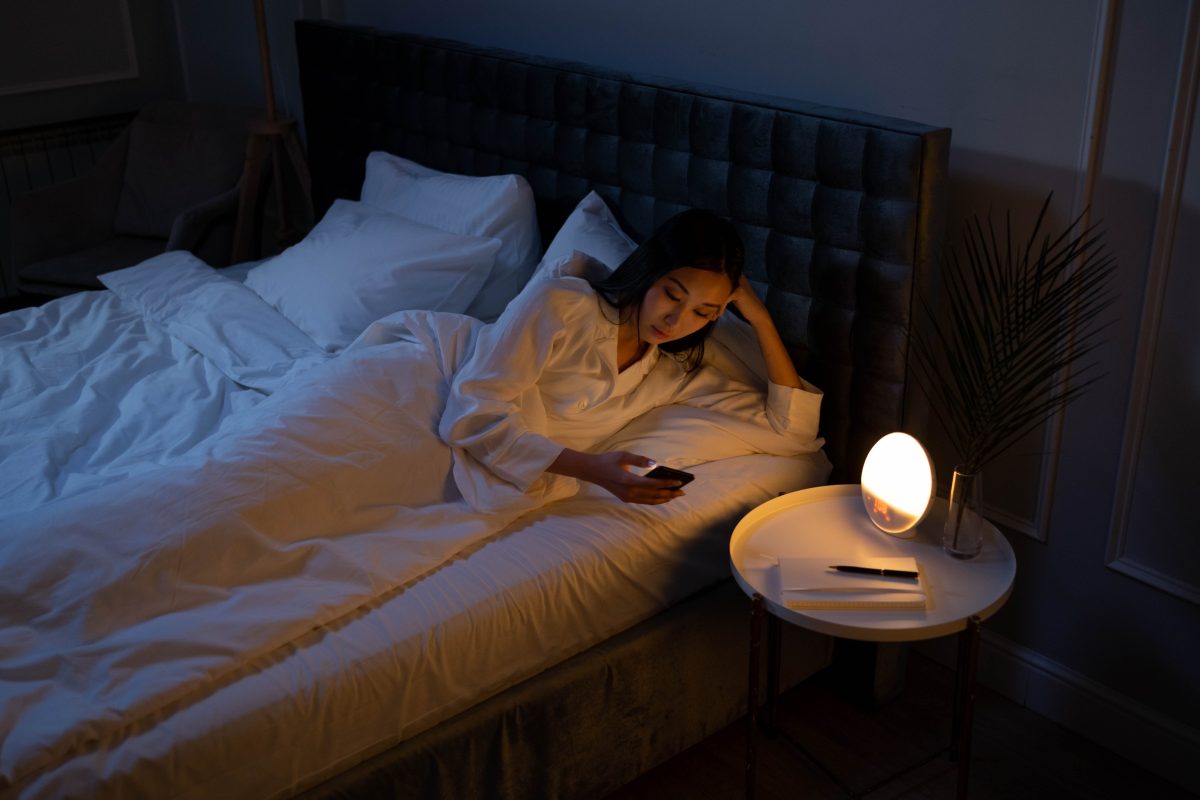
The circadian timing system or circadian clock plays a crucial role in many biological processes, but the increase in activities like the common usage of television, the internet, and mobile phones almost 24 h a day leads to a gradual decrease in adequate sleeping time!
The adipose tissue is a central metabolic organ that regulates whole-body energy homeostasis.
Adipose tissues secrete various hormones, cytokines, and metabolites that control systemic energy balance by regulating appetitive signals from the central nervous system as well as the metabolic activity in peripheral tissues.
For example, leptin has specific receptors on the hypothalamus and is released from the main adipocytes.
This hormone activates the sympathetic nervous system thermogenesis by increasing thyroid hormones. In thermogenesis, UCP (uncoupling) protein inhibits ATP synthesis in mitochondria, allowing energy to be consumed as heat.
Leptin increases the level of thyroid hormones and activation of the sympathetic central nervous system, resulting in more UCP formation and thus greater energy use.
The release of the leptin hormone occurs in a circadian cycle and serum leptin levels peak at night.
Thus, disruption of circadian balance can affect leptin secretion, thermogenesis, and energy homeostasis, indirectly!
Start your journey with the best trainers in Delhi