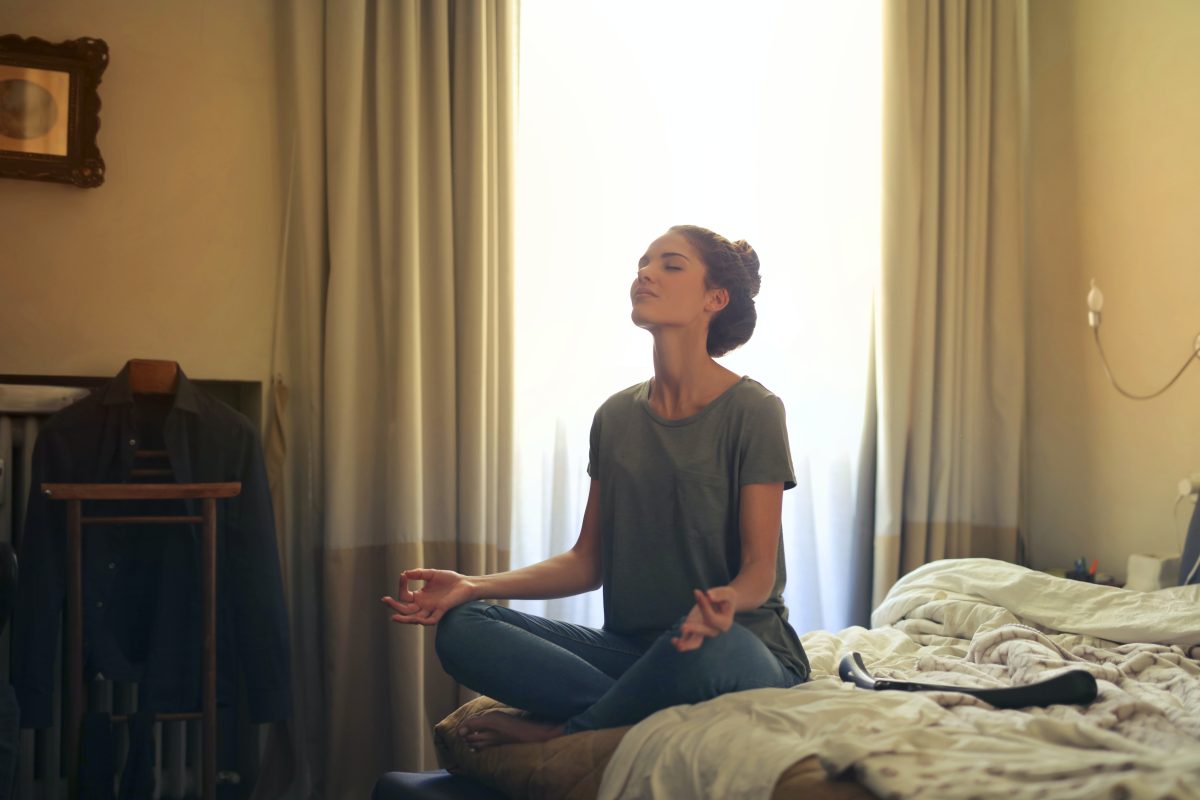
Mental health includes our psychological, emotional and social well-being. It impacts how we feel, think and behave each day. Our mental health contributes to our decision making process, how we cope with stress, and how we relate to others in our lives.
Emotional health can promote productivity in work and performance in general.
Little did you know, physical health and emotional health are intimately intertwined in what’s known as the mind-body connection?
Our chemistry and biology impact our mood and emotions, as well as thoughts and beliefs. With all of these factors combined, they play a major role in influencing our stress and physical health. If you’ve ever felt your stomach tighten up when you were anxious, you’ve experienced the mind-body connection.
This connection takes place via hormones and neurotransmitters. Studies have proven neural networks that connect the cerebral cortex to the adrenal medulla, which actives the body’s response in stressful situations. These findings illuminate how mental states, such as stress and depression, can influence organ function.
These hormones then can affect your immunity in the end via the PNEI axis that is the psycho-neuro-endocrinal-immunological axis.
When it comes to managing stress and anxiety, it is easier said than done. But it is not impossible.
Negative self-talk may show up in the form of cognitive distortions, or false thoughts that may lead to incorrect assumptions. They also may lead to negative core beliefs about ourselves. These negative core beliefs impact self-esteem, confidence, self-worth, and many other psychological concepts that protect us against anxiety or distress.
So number one thing that you can do here is visualization. Imagining or visualizing yourself being in your “happy place”—maybe picturing yourself sitting on a beach, listening to the waves, smelling the ocean, and feeling the warm sand underneath you.
It can be done with a recording where you listen to someone walk you through a peaceful scene. Or, once you know how to do it yourself, you can practice guided imagery on your own.
Simply close your eyes for a minute and walk yourself through a peaceful scene. Think about all the sensory experiences you engage in and allow yourself to feel like you’re really there. After a few minutes, open your eyes and return to the present moment.
Just focusing on your breath or changing the way you breathe can make a big difference to your overall stress level. Breathing techniques can calm your body and your brain in just a few minutes. It summons your parasympathetic nervous system, also known as your rest-and-digest system, and helps stimulate relaxation to return everything to equilibrium. You take in more oxygen, your heart rate slows, and your mind starts to slow down.
Aromatherapy can help you to feel more relaxed by altering brain wave activity and decrease stress hormones in the body.
So whether you enjoy candles, diffusers, or body products, consider incorporating some aromatherapy into your day.
Poor diet can bring greater reactivity toward stress. Reaching for high-fat, high-sugar foods can provide a temporary sense of relief that adds to your long-term stress.
Refined carbs, like cookies and potato chips, can cause a spike in blood sugar. When your blood sugar crashes, you might experience more stress and anxiety.
Consuming a healthy diet can help you combat stress over the long haul. Foods like eggs, avocado, and walnuts support mood regulation and energy balance.
On top of everything comes physical activity which is key to managing stress and improving mental health.
Finding the best stress relief strategy for you may take some experimenting and practice
But it’s important to keep looking for the tools that will help you manage life’s inevitable ups and downs in a healthy way.
Start your journey with the best trainers in Delhi.