
Oddsfitness

Personal Fitness and Strength Trainer at Home in Delhi NCR
Categories
Fitness Nutrition

HOW LOSING ELECTRONS DRIVE DISEASE

The fuel of life is an electron, or more exactly, the energy it takes over from photons in photosynthesis, and gives up gradually while flowing through the cell.

Mitochondria in our cells are known as the powerhouse of our cells which produce ATP.

These mitochondria have electron transport chains. The electron transport chain is a series of protein complexes that couple redox reactions that lead to the creation of ATP in a complete system named oxidative phosphorylation. 

It occurs in mitochondria in both cellular respiration and photosynthesis.

So your body needs electrons. 

All cells in our body are negatively charged. Which means they have more electrons inside than protons to function properly.  

You can get this charge with some simple steps. 

Burn more fat. Fat breaks down into 4 times as many electrons as carbs. 

Another method is to increase EZ water. 

EZ water is a special type of water that forms in your cells. 

It’s like a charged battery which stores energy and can deliver that energy to cells that need it. 

EZ water makes your mitochondria stronger so you can produce more energy. 

It also acts as an antioxidant, protecting you from stress and slowing down ageing, and improves protein folding across your whole body, which makes you more resilient to stress and speeds up recovery.

EZ water delivers power to your mitochondria so your cells have more energy. It also fights ageing and stress and helps your body recover faster. This article will cover what EZ water is, why you want it, and how you can make as much of it as possible.

There are a few hacks that help you generate EZ water

Drink raw vegetable juice or fresh spring water. EZ water forms naturally in vegetable juice and spring water. 

Blend regular water (or drink Bulletproof Coffee). Water absorbs vibrational energy when you blend it, which turns a portion of the water into EZ water.

EZ water forms when you blend butterfat into the water, which is one of the many reasons to drink Bulletproof Coffee every morning. 

Expose your skin to the sun. EZ water forms in your cells when you expose your skin (and your eyes, the gateways to the brain) to unfiltered sunlight for a few minutes every day without sunglasses, clothing, or sunscreen. The more skin you expose, the more EZ water you’ll make.

Start your journey with the best trainers in Delhi.

Categories
Fitness Nutrition

ENHANCE YOUR MITOCHONDRIAL HEALTH

The production of ATP is quite a complex process, starting in the Krebs citric acid cycle (TCA cycle). 

But far more important than direct ATP production are the high-energy molecules TCA provides the electron transport chain

This is where 90% of ATP is produced in aerobic metabolism.

The mitochondria are especially susceptible to nutrient deficiencies, environmental toxins, and oxidative damage. 

A large amount of adenosine triphosphate (ATP) must be produced by the mitochondria every second of every day because ATP cannot be stored. This function is so important that mitochondria can take up as much as 25% of the cell volume.

Although many nutrients are necessary for ATP production. These include carnitine to transport fatty acids, iron, magnesium, manganese, and vitamins B1, B2, and B3. 

There are a few strategies, to improve mitochondrial function. 

This includes optimising nutrient status to limit oxygen and high-energy electron leakage in the ETC. 

Decrease toxin exposure. Because of the huge metabolic activity of the mitochondria, they are especially susceptible.

Provide nutrients that protect the mitochondria from oxidative stress and utilise nutrients that facilitate mitochondrial ATP production.

Try intermittent fasting, where you fast for fixed hours of the day, which decreases energy levels in the body. To compensate, levels of NAD+ increase, which increases the ability of the mitochondria to produce ATP. 

This results in a subsequent rise in ATP levels due to improved mitochondrial function. 

Build some muscle mass! Even those with mitochondrial damage, such as that found in Parkinson’s disease, can increase ATP production through strength training!

Consume HMB and creatine supplements. Beta-hydroxy beta-methyl butyric acid is an active breakdown product of the amino acid leucine. It is used as a supplement to prevent muscle protein loss.

HMB and creatine supplementation in skeletal muscle cells stimulates the production of proteins and thereby increases the number of mitochondria per cell, overall improving skeletal muscle health.

If you follow these strategies, there’s no doubt that you can improve your mitochondrial health and naturally restore your mood and energy levels.

Start your journey with the best trainers in Delhi

Categories
Fitness Nutrition

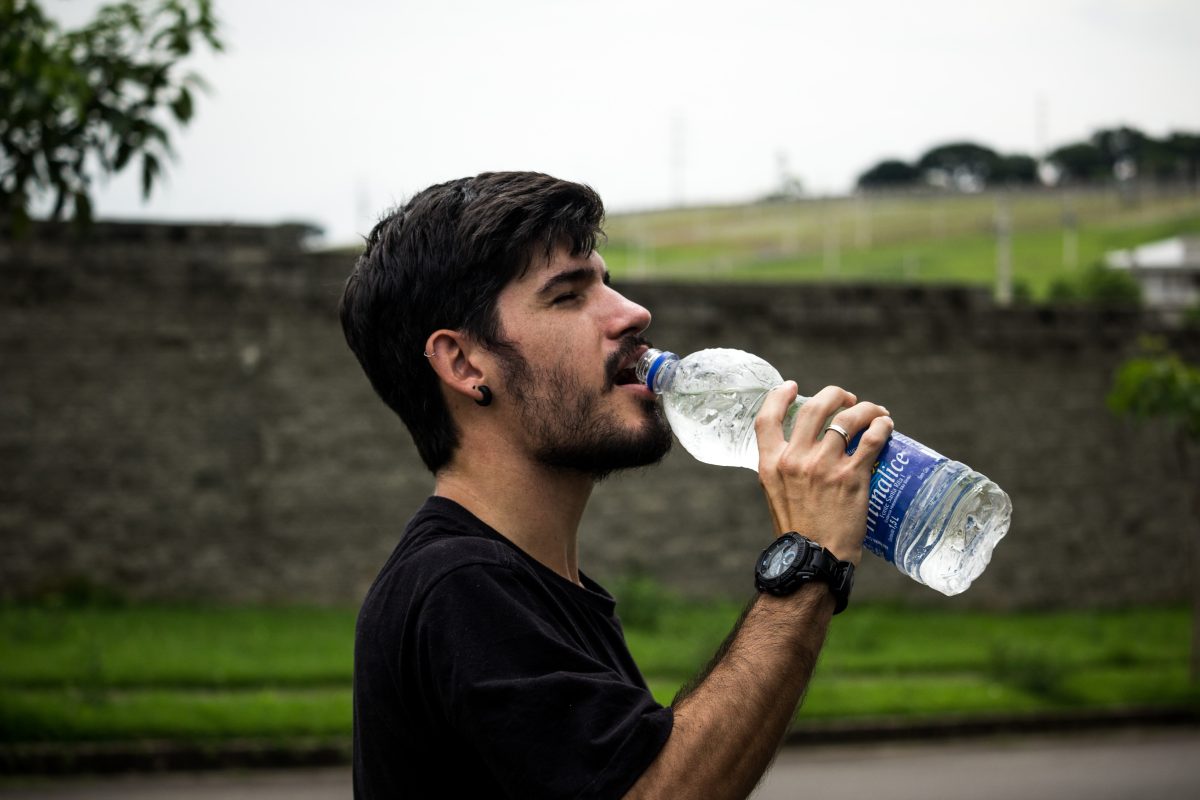
COMMON REASONS WHY YOU ARE FEELING DEHYDRATED 

Dehydration occurs when you use or lose more fluid than you take in, and your body doesn’t have enough water and other fluids to carry out its normal functions. If you don’t replace lost fluids, you will get dehydrated.

Between about 55% to about 78% of your body is made of water. Newborn babies are about 78% water, a year-old baby is 65%, adult men are about 60% and adult women are about 55%. Your brain is made up of 73% water, and so is your heart. Your bones are 31% water, muscles and kidneys are 79% and your skin is 64%. And 83% of water makes up your lungs.

Not only is it critical for digestion and getting rid of waste, but it also works your joints and lubricates them, makes saliva (which you need to eat), balances your body’s chemicals, creates hormones and neurotransmitters, delivers oxygen all over your body and act as a shock absorber for your brain, spinal cord and, if you’re pregnant, your fetus as well!

Your body regularly loses water through sweating and urination. If the water isn’t replaced, you become dehydrated. Any situation or condition that causes the body to lose more water than usual leads to dehydration.

When too much water is lost from the body, its organs, cells, and tissues fail to function as they should, which can lead to dangerous complications. 

If severe dehydration isn’t corrected immediately, it could lead to hypovolemic shock. 

Here are some common reasons why you might be dehydrated. 

Drinking often without hydrating oneself will lead to headaches and severe hangovers. 

Alcohol is a diuretic. It causes your body to remove fluids from your blood through your renal system, which includes the kidneys, ureters and bladder, at a much quicker rate than other liquids. 

Alcohol reduces how much vasopressin your body makes. 

Vasopressin is an antidiuretic hormone. It causes the body to hold onto water, which typically limits how much urine your kidneys make.

The action of suppressing this hormone exacerbates the diuretic effect and leads to dehydration.

Drinks containing more than 4% alcohol cause more diuresis, leading to excess water loss from all the cells, including your neurons. 

This leads to headaches and hangovers

High blood sugar spikes mean that your body doesn’t make insulin or use insulin properly. 

Insulin is a hormone that allows your body’s cells to absorb the sugar in your bloodstream, and then use that sugar for energy. 

If your body doesn’t use insulin properly, sugar can accumulate in your bloodstream. 

When your blood sugar remains high for an extended period, your kidneys must work harder to filter and remove the excess glucose. This happens using urination. 

This results in intracellular dehydration. 

It’s this increase in urination that leads to dehydration, especially if you don’t replace lost fluids.

Yet another common reason is excessive caffeine intake. Caffeine is also a diuretic. It increases sodium absorption by 20% and sodium loss through sweat by 15% which leads to dehydration. 

Lack of salt also causes extracellular dehydration. This disturbs blood pressure regulation. 

So whenever you try to combat dehydration, remember that drinking plain water is not the solution. Drinking salt with water is going to be more beneficial

Start your journey with the best trainers in Delhi. 
Categories
Nutrition

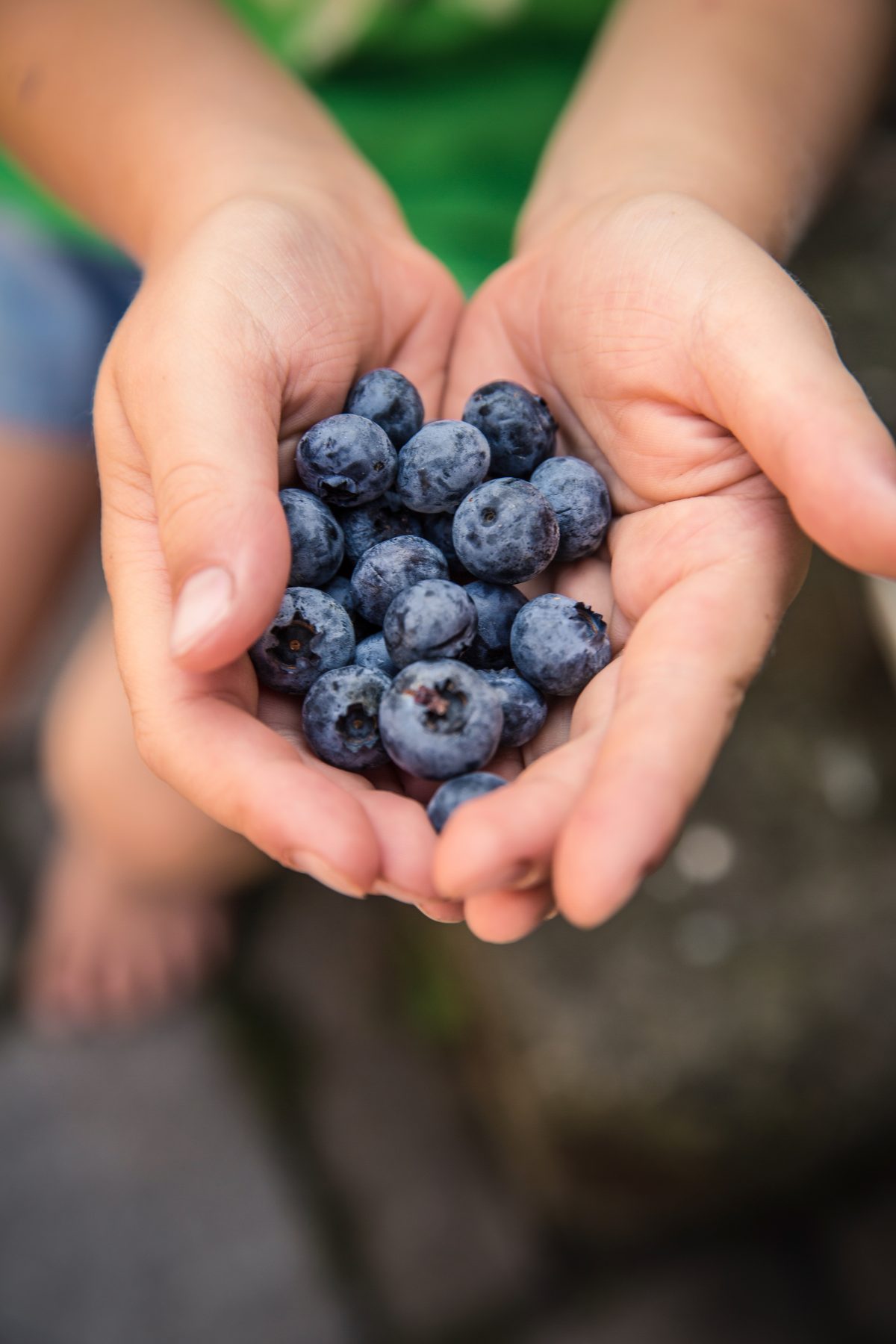
BLUEBERRIES- THE ALL-IN-ONE FRUIT YOU NEED!

Fruit is always delicious to eat year-round, but something about the heat of the summer sun makes a fruit snack so much more refreshing.

Did you know? 

Blueberries have been shown to protect against heart disease and cancer, and can also help maintain bone strength, mental health, and healthy blood pressure.

Anthocyanin in blueberries is not only responsible for their characteristic blue colour, but it also contributes to the numerous advantages of blueberries.

Consuming a variety of fruits and vegetables has long been associated with a reduced risk of many lifestyle-related health conditions. 

Since blueberries contain iron, phosphorous, calcium, magnesium, manganese, zinc, and vitamin K, they make excellent sources for bone health. 

Adequate intake of these minerals and vitamins contributes to building and maintaining bone structure and strength.

Additionally, iron and zinc in blueberries, fulfil crucial roles in maintaining the strength and elasticity of bones and joints.

Low intakes of vitamin K are associated with a higher risk of bone fracture.

Adequate vitamin K intake improves calcium absorption and may reduce calcium loss.

Blueberries being high in vitamin K become great sources for this as well. 

However, if you are on anticoagulants, it is important to take note of your values and consult a doctor before consuming blueberries.

One cup of blueberries provides 24 per cent of the recommended daily allowance of vitamin C.

Collagen is the support system of the skin. It relies on vitamin C as an essential nutrient and works to help prevent skin damage caused by the sun, pollution, and smoke. 

This also improves collagen’s ability to smoothen wrinkles and enhance overall skin texture. 

One cup of blueberries provides 24 per cent of the recommended daily allowance of vitamin C.

The fibre, potassium, folate, vitamin C, vitamin B6, and phytonutrient content in blueberries supports heart health by preventing the buildup of a compound known as homocysteine. 

Excessive buildup of homocysteine in the body can damage blood vessels and lead to heart problems.

They are one of the best antioxidant fruit you will ever have! 

Anthocyanins in blueberries are powerful antioxidants which protect our body from inflammatory damage and cellular oxidation. 

You can use blueberries as fresh toppings on oatmeal, waffles, pancakes, yoghurt, or cereal for an extra burst of flavour along with nutrition in your breakfast

If you are a busy bee, you can blend up a quick and easy smoothie using frozen berries, and low-fat yoghurt to have on the go!

Start your journey with the best trainers in Delhi

Categories
Fitness Nutrition

SHOULD YOU CONSUME GHEE?

Don’t we all love it when we drizzle a generous amount of ghee on freshly made piping hot parathas or add a spoonful of cooked rice? 

However, with the rise in healthy and conscious eating, people are moving to more nutritious options by doing away with anything that adds extra weight. Since ghee has rich fat content, the debate on whether its consumption is healthy or not has started

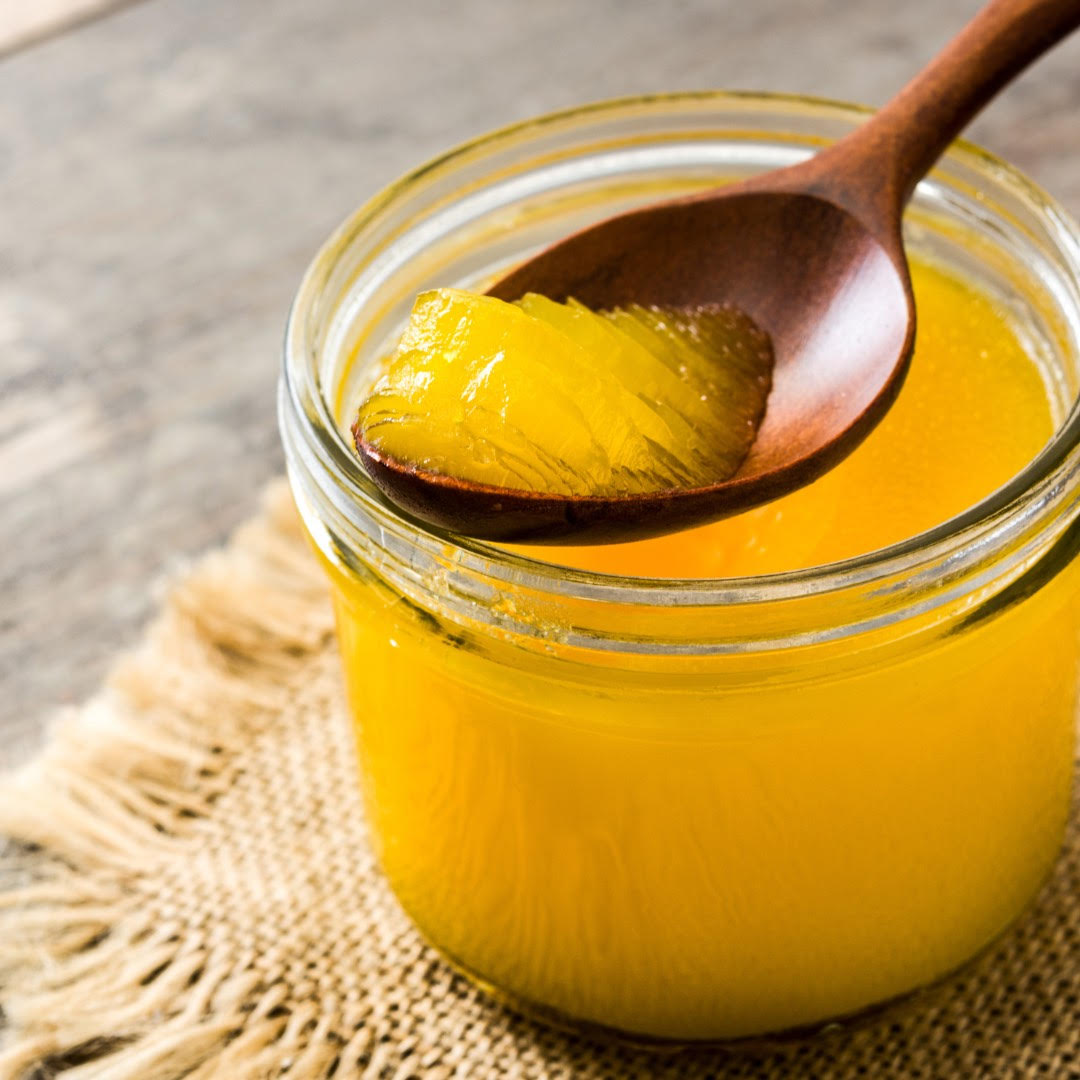
Ghee is a variation of clarified butter. It is made from cow milk butter, which is treated with low heat until the water evaporates, leaving behind milk solids. 

The solids are skimmed off or strained if needed. What remains is only clarified liquid fat known as ghee. Because ghee is treated with low heat, usually under 100 degrees, it retains more nutrients than standard clarified butter. 

Indian households cannot do without their share of ghee. While it is a great ingredient for benefitting overall health, ghee also helps to lose weight. 

Vitamin E is the most powerful antioxidant that ghee contains. Antioxidants help free prevent cell and tissue damage that can lead to disease. 

Hence they also aid in inflammatory conditions.

Ghee contains conjugated linoleic which helps combat cancer and cardiovascular disease.

Butyrate/butyric acid in ghee is a fatty acid that has been linked to an immune system response that soothes inflammation. It has anti-viral properties and contributes to a healthy digestive system. 

Although the CLA in ghee helps reduce weight, it is also a calorie-dense and fat-rich food. 

Therefore, overconsumption can lead to an increase in weight gain and elevate the risk of obesity.

Start your journey with the best trainers in Delhi. 
Categories
Fitness Nutrition

THE OVERLOOKED ESTROGENIC JUICE

Alcoholic beverages contain not only alcohol but also numerous other substances.

Plants used to produce alcoholic beverages contain phytoestrogens.

Phytoestrogens are estrogen-like compounds derived from plants which are structurally similar to estradiol.

These compounds include isoflavones, stilbene, coumestan and lignan.

The primary function of estrogen is the development of female secondary sexual characteristics in women which include breasts, uterine lining, regulation of the menstrual cycle, etc.

Men also have female hormones. However, the levels in men are lower than that of females. 

Apart from this, estrogen also helps in maintaining cognitive health, bone health, the function of the cardiovascular system, and other essential bodily processes.

Excess of female hormones in men will make them effeminate. 

Studies have proven that men with alcoholic cirrhosis often show testicular failure and symptoms of feminization have suggested that alcoholic beverages may contain biologically active phytoestrogens.

Biochemical analyses have identified several phytoestrogens in beer and wine.

Estrogen exerts its effects by entering its target cells where they bind to receptors in the fluid that fills the cells.

This complex then moves into the nucleus of the cell.

Additionally, alcoholic consumption significantly increases the area under the concentration curve of prolactin and decreases oxytocin.

Drinking alcohol, especially beer, will produce elevated levels of prolactin. Increased prolactin will typically inhibit the pulsatile release of gonadotrophins in men which interferes with spermatogenesis leading to decreased sperm production and infertility.

So men, stay away from alcohol!

Start your journey with the best trainers in Delhi.
Categories
Fitness Nutrition

ACNE AND SUGAR

It is tough to say NO to sweets. Processed food and sugar have never been skin-friendly. 

Foods with high sugars may sometimes be the primary cause of your adult acne. It is found that sugars can increase your acne by as much as 10%. Studies have shown more than 10% of men and women above 25 years of age experience adult acne throughout life.

Of course, a little sugar in moderation may not result in constant acne breakouts, but it is good to be aware of certain acne-causing foods that are best to avoid! Here is how sugar affects your skin

Inflammation produces enzymes that break down collagen and elastin, resulting in sagging skin and wrinkles. 

Digested sugar permanently attaches to the collagen in your skin through a process known as glycation.

Understanding the glycemic index, the scale which determines how quickly blood sugar levels rise after ingesting particular foods is key to making the right choices for your skin when it comes to sugar.

When your blood sugar rises quickly, it causes the body to release insulin-like growth factor 1 (IGF-1).

Having excess IGF-1 in your blood can cause your oil glands to produce more sebum, increasing your risks of acne and inflammation.

Hence many skin conditions are driven by inflammation which is a consequence of glucose spikes. These inflammatory spikes can be tamed by consuming foods in an order that will flatten our glucose curves.

So what can be done about this?

Get plenty of sleep! Lack of sleep causes our body to release the stress hormone, cortisol, which mobilizes sugar stores and causes your insulin to spike.

Speaking of stress, try to keep yours at a minimum. Stress can spike insulin levels just like eating sugar can. This causes acne breakouts.

Eat frequent, balanced meals. Donate think lowering your sugar intake means lowering your food intake?  If your goal is to keep your blood sugar levels consistent, make sure to fuel up with low-glycemic, high-protein food every three hours to avoid high insulin spikes.

Be mindful of how you prepare your food. When cooking starches, like potatoes and foods with wheat, keep in mind that the heat involved in cooking causes a process known as gelatinization, which can lead to upping the glycemic index of a food item. Avoid starches fried in high heat or that are commercially processed.

Put some clothes on your carbs! Eat your protein first when sitting down for a meal, since they donate stimulate high insulin spikes and therefore keep your body from triggering the inflammatory effects caused when you ingest insulin-spiking foods

Healthy fats, like Omega-3s, keep your skin looking soft, supple and radiant!

Start your journey with the best trainers in Delhi.

Categories
Fitness Nutrition

NO MORE HUNGER PANGS

If you are trying to lose weight, living with certain health conditions, or adopting a new meal routine like intermittent fasting, you may be wondering how to reduce feelings of hunger throughout the day.

With the realization of the global obesity epidemic and its related co-morbidities over the last few decades, it is important to note the intricate interplay between gut hormones and the central nervous system (CNS), and the regulation of food intake through appetite modulation.

Several of these circulating appetite modulators, including ghrelin, cholecystokinin (CCK), pancreatic polypeptide (PP), peptide YY (PYY), glucagon-like peptide (GLP)-1, and oxyntomodulin (OXM), have been shown to influence appetite in humans. 

When we consume omega-3 and omega-6 rich food, our body releases cholecystokinin(CCK).

Cholecystokinin (CCK), a peptide that is distributed widely throughout the gastrointestinal tract and the central nervous system, has a number of physiological effects including the stimulation of gallbladder contraction and pancreatic and gastric acid secretion, slowing of gastric emptying and suppression of energy intake.

It is produced by I cells in the duodenum and jejunum, and serves a variety of functions, including that of a neurotransmitter in the CNS. CCK secretion by the gut is stimulated by foods high in fat and protein, and aids digestion.  Omega-3 fats are found in: fatty fish like salmon, mackerel, anchovies, sardines, arctic char and trout. eggs (including omega-3 enriched) flaxseeds and flaxseed oil.


Omega-6 fats are found in soybeans, corn, safflower and sunflower oils, nuts, seeds, meat, poultry, fish and eggs.

When food reaches the lumen, this hormone is released to break down fat and protein. Once this hormone is released, the satiety center in our brain receives a signal to stop eating.

The same happens when we consume L-glutamine. Additionally, it also reduces sweet cravings and regulates appetite via the CCK signal.

So the number one factor to consider when reducing your appetite is to consume more omega-3 and omega-6.

Same goes with glutamine. Additionally, L-glutamine helps reduce sweet cravings as well. So consume more L- glutamine. Good sources of L-glutamine can be found in certain foods, including chicken, fish, cabbage, spinach, dairy, tofu, lentils and beans.

Last but not the least, avoid highly processed foods. Concentrated sugar and highly processed foods can cause a rapid rise and fall in blood sugar after consumption.

Typically, blood sugar falls below fasting levels within a few hours of a high glycemic index meal, causing hunger and leading to overeating. 

Start your journey with the best trainers in Delhi

Categories
Fitness Lifestyle Nutrition

HEAL YOUR MIND, HEAL YOUR PHYSICAL HEALTH : TOOL TO MANAGE YOUR STRESS AND ANXIETY

Mental health includes our psychological, emotional and social well-being. It impacts how we feel, think and behave each day. Our mental health contributes to our decision making process, how we cope with stress, and how we relate to others in our lives.

Emotional health can promote productivity in work and performance in general.

Little did you know, physical health and emotional health are intimately intertwined in what’s known as the mind-body connection?

Our chemistry and biology impact our mood and emotions, as well as thoughts and beliefs. With all of these factors combined, they play a major role in influencing our stress and physical health. If you’ve ever felt your stomach tighten up when you were anxious, you’ve experienced the mind-body connection.

This connection takes place via hormones and neurotransmitters. Studies have proven neural networks that connect the cerebral cortex to the adrenal medulla, which actives the body’s response in stressful situations. These findings illuminate how mental states, such as stress and depression, can influence organ function.

These hormones then can affect your immunity in the end via the PNEI axis that is the psycho-neuro-endocrinal-immunological axis.

When it comes to managing stress and anxiety, it is easier said than done. But it is not impossible.

Negative self-talk may show up in the form of cognitive distortions, or false thoughts that may lead to incorrect assumptions. They also may lead to negative core beliefs about ourselves. These negative core beliefs impact self-esteem, confidence, self-worth, and many other psychological concepts that protect us against anxiety or distress.

So number one thing that you can do here is visualization. Imagining or visualizing yourself being in your “happy place”—maybe picturing yourself sitting on a beach, listening to the waves, smelling the ocean, and feeling the warm sand underneath you.

It can be done with a recording where you listen to someone walk you through a peaceful scene. Or, once you know how to do it yourself, you can practice guided imagery on your own. 

Simply close your eyes for a minute and walk yourself through a peaceful scene. Think about all the sensory experiences you engage in and allow yourself to feel like you’re really there. After a few minutes, open your eyes and return to the present moment.

Just focusing on your breath or changing the way you breathe can make a big difference to your overall stress level. Breathing techniques can calm your body and your brain in just a few minutes. It summons your parasympathetic nervous system, also known as your rest-and-digest system, and helps stimulate relaxation to return everything to equilibrium. You take in more oxygen, your heart rate slows, and your mind starts to slow down.

Aromatherapy can help you to feel more relaxed by altering brain wave activity and decrease stress hormones in the body.

So whether you enjoy candles, diffusers, or body products, consider incorporating some aromatherapy into your day.

Poor diet can bring greater reactivity toward stress. Reaching for high-fat, high-sugar foods can provide a temporary sense of relief that adds to your long-term stress.

Refined carbs, like cookies and potato chips, can cause a spike in blood sugar. When your blood sugar crashes, you might experience more stress and anxiety.

Consuming a healthy diet can help you combat stress over the long haul. Foods like eggs, avocado, and walnuts support mood regulation and energy balance. 

On top of everything comes physical activity which is key to managing stress and improving mental health.

 Finding the best stress relief strategy for you may take some experimenting and practice

But it’s important to keep looking for the tools that will help you manage life’s inevitable ups and downs in a healthy way.

Start your journey with the best trainers in Delhi.

Categories
Fitness Lifestyle Nutrition

LEAKY GUT AND CIRCADIAN DISRUPTION

We read numerous articles on the internet where there is a lot of emphasis on gut health in general.

This is not just about digestive health or specific gut issues but your overall health.

The gut microbiome represents the bacteria in our gut. These include both good and bad bacteria.

The good bacteria maintain a healthy gut flora while the bad bacteria damage it.

There are several studies which have proven the connection between our gut microbiome and brain.

This connection takes place via 3 pathways in our body. These include immunoregulatory pathway, neuroendocrine pathway and the vagus nerve pathway.

The immunoregulatory pathway includes the microbiota interacting with immune cells which affects the level of inflammatory markers namely cytokines and prostaglandins.

The neuroendocrine pathway includes the enteroendocrinal cells affects the function of hormones via the hypothalamic-pituitary axis and the central nervous system by regulating the levels of cortisol, tryptophan and serotonin.

The neurons of the myentric plexus inside our intestine are exposed to gut microbiota and regulate gut hormone secretion via motor neurons in the intestine. This intestinal nervous system forms connection with the vagus nerve.

Toxic metabolic bi-products like lactic acid and ammonia produced by the gut bacteria can pass through the vagus nerve and into our brain which its functions and ultimately our sleep.

This takes place primarily via intestinal permeability which increases when the barrier is damaged or leaking.

Cell division required for repairing a “leaky gut” occurs at night that is in the absence of light. That is why chronic blue light at night and a lack of sunrise circadian syncing exacerbates gut issues.

So maintaining a healthy gut via a nutritious diet is essential.

Start your journey with the best trainers in Delhi.