
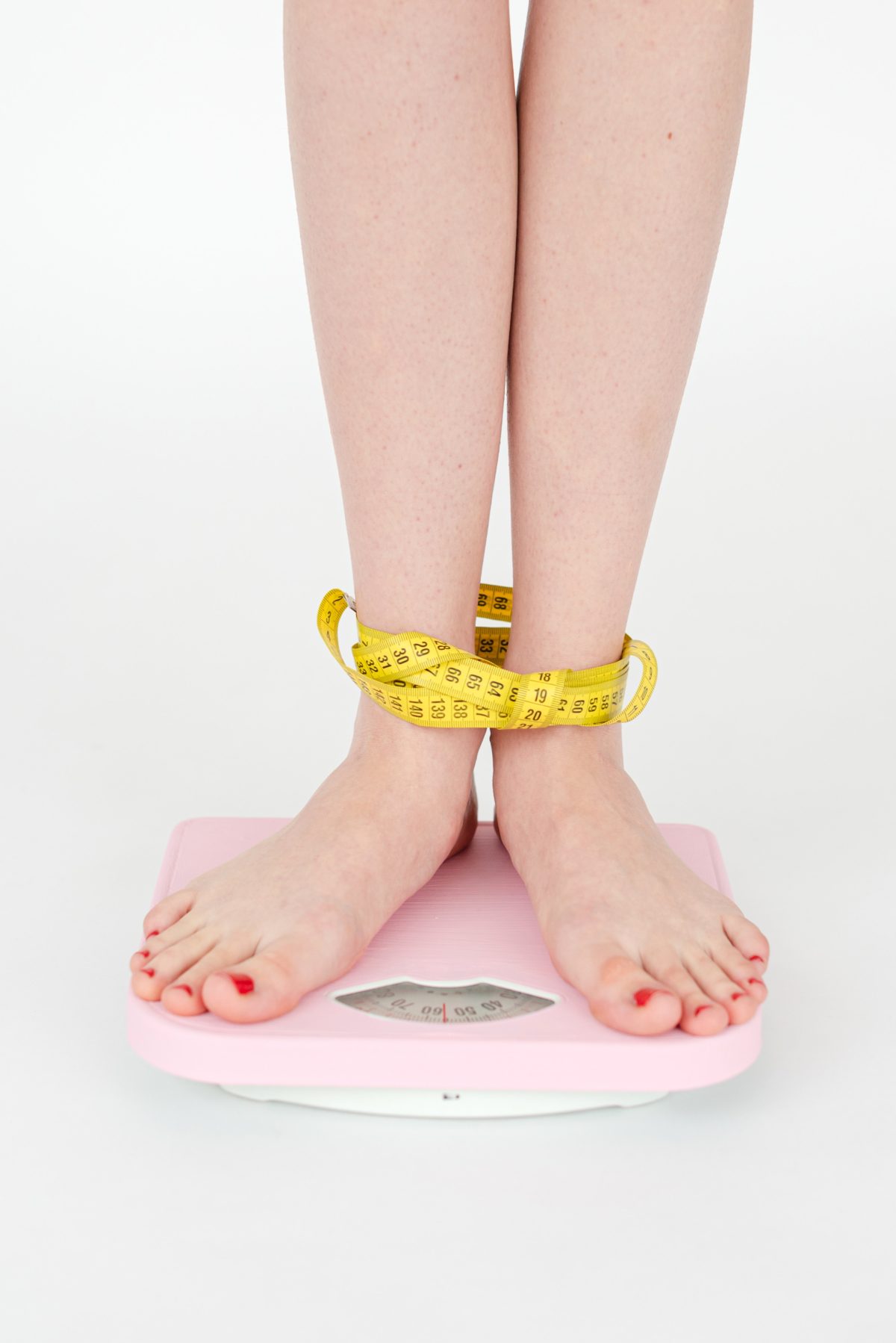
Many of us have experienced that moment when the number on the scale ruins your whole day. This is especially if you ate well and have been training diligently all week long.
It’s not surprising that you might be disappointed, but there’s a lot more to weight loss than just what you see on the scale.
The scale is just one tool of many used to document a person’s weight loss journey or overall health. Yet, many of us look to the scale as the ultimate authority.
The human body is one incredibly complex piece of machinery. Things are going in, coming out, transforming, and dissolving all the time. As a result, your weight can fluctuate throughout the day.
While a scale was designed to measure weight, it is important to remember the many things that can affect the accuracy of its readings before letting it hinder or derail momentum.
Scales display a weight that includes lean body mass and fat, but what it doesn’t account for is how much of that displayed weight is only temporary due to sodium intake, glycogen stores, hormones, and other added water weight as well as mechanical issues and errors.
People who are familiar with the exercise world have heard the phrase “muscle weighs more than fat”. While this is not technically true because one pound of muscle is still equal to one pound of fat, what the saying is trying to convey is that muscle is more dense than fat.
If a gym goer has consistently been working with a weight training routine, the muscle gained during these routines might occupy a smaller space in the body than the fat that was lost during that time frame.
If you get stressed out because you gained weight overnight, don’t fret. Let’s look into some factors which can affect the scale a little more closely.
1) When carbohydrates are eaten, the body can only use a certain amount of energy from them at one time. The portion that is not immediately processed is relocated to the muscles, liver, and various other organs as glycogen stores to be used when needed.
This holds water inside the muscles which adds up to the weight.
2) In women, hormonal changes are inevitable due to the menstrual cycle. The rise and fall of estrogen and progesterone can affect the amount of fluid that is retained throughout the body.
3) Feeling puffy and bloated after eating foods with a high sodium content is common. Sodium has an affinity toward water. So the more salt you have the more water you retain. This can be evidenced by increased weight on the scale. Swelling should subside once salt levels in the body are reduced to a normal level.
When it comes to understanding whether it’s muscle or fat, note that muscle is hard, firm and smaller. Fat might be the same weight, but you’ll be softer and bigger. So, what matters at the end of the day is that you’re healthy and have less fat around your middle and vital organs, not what the scale says.
Start your journey with the best trainers in Delhi.