
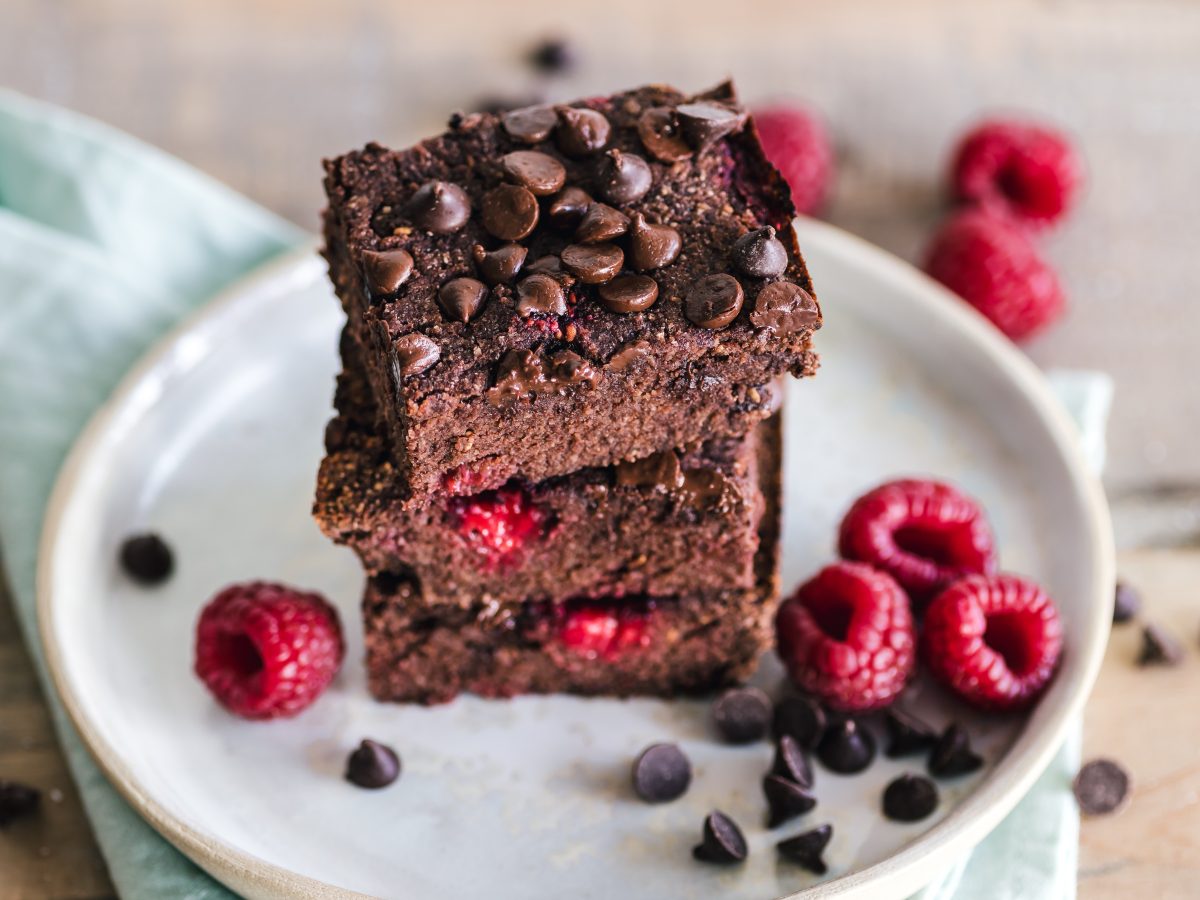
Dessert, the tantalizing finale to a meal that beckons us with its sweet embrace. Whether it’s a luscious chocolate cake, a creamy fruit tart, or a simple scoop of ice cream, desserts hold a special place in our hearts and on our plates.
But have you ever wondered why, despite feeling stuffed after a satisfying meal, there always seems to be a separate compartment in our stomachs exclusively reserved for dessert?
Human beings are wired to crave sweetness. From infancy, we associate sweetness with comfort and pleasure. As we grow older, this association deepens, and desserts become a way to indulge our innate desires.
The taste of sugar releases dopamine, the brain’s “feel-good” neurotransmitter, creating a sense of reward and happiness. This pleasurable experience encourages us to seek out sweet treats, even when our stomachs are seemingly full.
Psychological factors play a significant role in our relentless pursuit of dessert. The concept of delayed gratification comes into play here. While we may initially feel satiated after a meal, the anticipation of a delightful dessert can override our sense of fullness.
The allure of something decadent and enticing becomes too hard to resist, and we give in to that indulgence. Moreover, desserts often carry emotional associations, reminding us of celebrations, nostalgia, and comfort. These emotional connections fuel our desire for dessert, creating a compelling need to experience that pleasure.
Our bodies possess fascinating physiological mechanisms that contribute to our insatiable appetite for dessert. The release of digestive enzymes slows down as we consume heavier, savory foods, creating a temporary lull in our digestion process.
The combination of these physiological factors allows us to make room for dessert, even after a substantial meal.
To understand why we always have room for dessert, we must explore the hormonal interplay within our bodies. Ghrelin, often referred to as the “hunger hormone,” stimulates appetite and promotes the sensation of hunger.
As we consume a meal, ghrelin levels decrease, leading to a reduction in hunger pangs. However, the decline in ghrelin levels is not instantaneous, leaving a window of opportunity for dessert consumption.
Additionally, leptin, the “satiety hormone,” plays a crucial role in regulating our appetite and signaling fullness. Although leptin levels increase with food intake, the specific impact of dessert on leptin release is yet to be fully understood.
Thus, the balance between ghrelin and leptin hormones contributes to our capacity to make room for dessert.