
Oddsfitness

Personal Fitness and Strength Trainer at Home in Delhi NCR
Categories
Fitness Lifestyle

THE PATH TO A GREAT NIGHT’S SLEEP

We all know about how UV radiation can penetrate the skin and damage cell DNA. This has been linked to skin cancer.

This is exactly why there is a wide range of skin products for our skin. 

Little did you know, that UV rays have a critical role in regulating our hormones and our circadian clock. 

Our hormones get triggered by light and dark. 

Why do you think we sleep with the lights off? 

Apart from the fact that we don’t want any disturbance, sleeping in the dark produces melatonin. This hormone is responsible for helping you sleep.

When you expose yourself to the morning sunlight, the rays need to enter your eyes. 

Getting some sun will increase cortisol levels in your body in a good way which increases your levels of alertness along with body temperature. 

This sets a timer for melatonin release. When you get sun in the morning, melatonin will secrete from the pineal gland 16 hours later. 

This helps you to sleep on time. 

Sunlight exposure also increases the release of a hormone called serotonin. Serotonin is associated with boosting mood and helping a person feel calm and focused.

Without enough sun exposure, your serotonin levels can dip. Lowered levels of serotonin are associated with a higher risk of major depression pattern which is because of seasonal changes. This is called as seasonal affective disorder. It is a form of depression triggered by the changing seasons.

A mood boost isn’t the only reason to get increased amounts of sunlight. There are several health benefits associated with catching moderate amounts of rays.

As mentioned above, sunlight should enter the eyes. This is where it will fall on the retina, which triggers the release of serotonin.

This is why one of the therapies for depression or SAD is phototherapy which is also called light therapy

Apart from mental benefits, sunlight also causes a person’s skin to create vitamin D. This vitamin is essential for bone health. Low vitamin levels have been linked to rickets in children and diseases like osteoporosis and osteomalacia

It is also found that it can help in inflammatory conditions like rheumatoid arthritis, SLE(systemic lupus erythematosus) and IBD(Irritable Bowel Syndrome). 

To conclude, excess sun exposure is also not advised since it is linked with increased skin cancer risk. If you’re going to be outside for longer than 15 minutes or so, you’ll need sunscreen with an SPF of at least 15.

But getting some sunlight every day in the morning has a lot of benefits with which you can overcome very common deficiencies in your body. 

Start your journey with the best trainers in Delhi. 

Categories
Fitness Lifestyle Nutrition

CAN YOU BUILD MUSCLE AND LOSE FAT AT THE SAME TIME? 

“Building lean mass” is used to describe the process of building muscle without adding fat. Both muscle building and losing fat are highly desirable. Everyone wants that toned look while attaining a lower body fat percentage where you can show off your abs for good. However, both approaches have given different solutions to nutrition and training. You need to be in a surplus to gain muscle and a deficit to lose fat. However, most people don’t wish to put on fat in their bulking season. Is there a way to do both things at the same time? That is, the ability to burn fat and gain (lean) muscle at the same time. Yes! If we could target stubborn fat deposits like we could isolate specific muscle groups, it wouldn’t be that complicated to lose fat and gain muscle. Although body composition sounds great, it’s not a magical process by which you will lose fat and build muscle at the pace you want it to. There are many aspects to it. It’s not a linear process. 

Where your body holds onto excess body fat is unfortunately out of your control, and you can’t gain muscle if you’re in a chronic calorie deficit. Countless hours of cardio and crunches aren’t the answer either. 

So how do we do it?

Let’s see it from a training point of view and a nutrition point of view.

How do we eat for body recomposition? Although changing your workout programme can benefit you, it all comes down to what you eat. If you want to achieve recomposition, you’re going to eat more on days when you exercise, and less on days when you don’t. The primary reason for this is energy utilization and recovery.

Apart from helping you achieve body recomposition, these things are also important for hormonal optimization. So when it comes to losing fat, you have to be in a deficit. However, keeping an aggressive caloric deficit is not going to preserve muscle mass. If you are having body fat slightly on the higher side, you can keep a slightly higher deficit. If you are on the leaner side then start by keeping a moderate deficit. Remember that small steps go a long way. It’s more sustainable comparatively. So consuming a diet rich in protein is essential to reduce fat while preserving lean body mass. Protein will help in muscle synthesis as well as keep you satiated. Cut out processed and sugary carbs and increase your fibre intake.

Along with a high-protein, whole-food diet, incorporating strength training exercises into your routine is crucial.

Strength training involves using resistance exercises to build strength and muscle mass. Combine strength training exercises like squats, bench presses, pushups and other muscle-building exercises for two to three days per week alongside one to two days per week of interval training.


Start your journey with the best trainers in Delhi.
Categories
Fitness Lifestyle Nutrition

HOW MAGNESIUM CAN SAVE YOUR LIFE

Magnesium is a mineral that’s crucial to the body’s function. Magnesium helps keep blood pressure normal, bones strong, and the heart rhythm steady.

One of its main roles is to act as a helper molecule in more than 600 reactions in your body, including energy production, protein synthesis and neuromuscular regulation. 

It also plays an important role between your brain and body.

It acts as the gatekeeper for the N-methyl-D-aspartate (NMDA) receptors. These are found on our nerve cells and aid brain development, memory and learning. 

In healthy adults, magnesium sits inside the NMDA receptors, preventing them from being triggered by weak signals that may stimulate your nerve cells unnecessarily.

When your magnesium levels are low, fewer NMDA receptors are blocked. This means they are prone to be stimulated more often than necessary.

This overstimulation can kill nerve cells.

Apart from this it also counteracts calcium which generates heart contractions.

When calcium enters your heart muscle cells, it stimulates the muscle fibres to contract. Magnesium counters this effect, helping these cells relax. 

This movement of calcium and magnesium across your heart cells maintains a healthy heartbeat.

When your magnesium levels are low, calcium may overstimulate your heart muscle cells. One common symptom of this is a rapid and/or irregular heartbeat, which may be life-threatening!

Not only this but magnesium is also required for an enzyme that generates electrical impulses via the sodium-potassium channels. Some electrical impulses can affect your heartbeat. 

It acts in the same way for skeletal muscle connection as well.

If your body doesn’t have enough magnesium to compete with calcium, your muscles may contract too much, causing cramps or spasms.

This is why magnesium is commonly recommended to treat muscle cramps

As magnesium deficiency gets worse, other symptoms may occur, including numbness, tingling, seizures, personality changes, abnormal heart rhythms and coronary spasms.

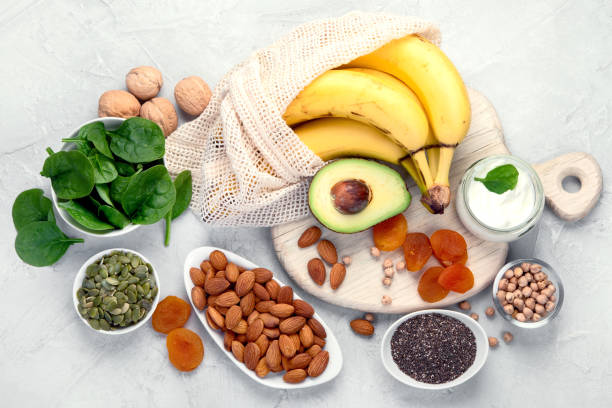
Rich sources of magnesium are greens, nuts, seeds, dry beans, whole grains, wheat germ, wheat and oat bran. 

The recommended dietary allowance for magnesium for adult men is 400-420 mg per day. The dietary allowance for adult women is 310-320 mg per day.

Although it’s found in a variety of foods ranging from leafy greens to nuts, seeds, and beans, many people don’t get enough in their diet. This is when supplements come in. 

However, magnesium in dietary supplements and medications should not be consumed in amounts above the upper limit, unless recommended by a healthcare provider.  Common side effects include diarrhoea and cramps. 

Start your journey with the best trainers in Delhi.

Categories
Fitness Lifestyle Nutrition

STRUGGLING WITH YOUR DIET ON THE WEEKEND?

Being on an excessively restricted diet can result in irresistible cravings and desires making us go all in on the binge over the weekends. 

In today’s world, there is an unlimited variety of tasty food which can be hard to resist. If you are one of those who eat all good for the entire week but tend to go overboard over the weekends, then you are not alone.

Here is where the calorie banking method comes into play.

If you use this method of weight loss, you can indulge in special treats every once in a while without affecting your overall calorie intake.

This system requires careful management of food intake and calorie burn through exercise. It is a strategy that helps you enjoy your social life while still hitting your weight loss goals. 

If fat loss or weight loss is your primary goal, then the number one thing you need to do is get into a calorie deficit.

A caloric deficit is any shortage in the number of calories consumed relative to the number of calories required for the maintenance of current body weight (energy homeostasis). A deficit can be created by reducing the calories consumed (lower food intake).

Fat or weight loss isn’t linear, if it was, going into a calorie deficit for a long period would mean that you would continuously lose fat until you faded away. 

But this is when your survival mode taps in and your weight loss progress comes to a halt. These ‘weight loss plateaus’ are one of the primary reasons why strategic refeeds, or periodic days of overeating can potentially aid fat loss and not hinder it. 

So what is calorie banking? Calorie banking means borrowing calories from some of your regular diet days to use on other days. For example, if you are on a calorie limit of 1,600  per day, you can bank 200 of your calories from one or more days to use on other days. If you save 200 calories for three days, then you have 600 calories banked to spend on a treat. This equates to 2 slices of pizza and a Frappuccino if you meet up with friends on the weekend. 

This system also makes you aware of how many calories are in the treats that you desire. And you can choose better food sources, and spend fewer calories, by going for lighter options. Banking calories gives you flexibility and may motivate you to stick with a diet, which improves diet adherence leading to your success. 

Remember that before directly banking your calories, you need to first define your daily caloric goals. Multiply your daily calorie goals by seven to establish your maximum weekly calorie intake. Bank calories throughout the week by eating fewer calories than your daily goal for one or more days, then using them to eat more than your usual calories another day. Although this method is a great option for those who wish to have the best of both worlds, it makes it easier to fall into some common diet pitfalls for some people. 

Additionally, banking calories can cause blood sugar imbalances and a drop in energy where you then feel like having more carbohydrates when your brain needs it. 


Start your journey with the best trainers in Delhi.

Categories
Fitness Lifestyle Nutrition

UNDERRATED ANTI-AGEING HACKS

Aging is inevitable, and as soon as you cross over to 40, it almost seems like you’ve aged overnight. While we’re pretty sure there’s not a fountain of youth or a fancy elixir that prevents you from aging altogether, there are some easy anti-aging hacks that you can adopt to help slow down the process.

So much emphasis on is put in the kind of skin products which you can use for anti ageing purposes. 

Little did you know there are some amazing ways to boost your longevity just by doing some lifestyle changes! These include changes in your diet and exercise regime! 

Let’s look at some of these a little more closely! 

Consume more vitamin c rich fruits and apples. Chowing down on whole, hydrating fruits, such as apples, can help your skin look supple and fresh. Due to the presence of pectin, apples detoxifies the body of waste products and also reduce the forming of wrinkles by keeping the body well-hydrated. 

Other anti-aging fruits include avocados, bananas, blueberries and strawberries, and papayas. 

Vitamin C helps to undo some of the sun and pollution damage our skin sustains during the day, brightens discoloration, plays an important role in wound healing, and helps the skin to lock in moisture that is so critical for both the skin and our other physiological functions.

Exercise is no doubt extremely beneficial when it comes to making our body healthierand longevity by preventing chronic diseases. 

Little did you know that strength training in particular, has amazing anti ageing effects!

But how?

Ageing successfully is all about production of The increased strength. 

The potential for strength training lies in its ability to rejuvenate and rebuild bigger and more powerful muscle fibers knows as Type II or fast twitch muscle.  

The amazing thing is that this potential can be unleashed with very brief (20 minutes), infrequent (1-2 times a week) and most importantly, very safe (customized technology) way.

By partnering the powerful combination of whole food nutrition with strength training, insulin resistance can also be reversed.  

Insulin Resistance is a major predictor of the effects of aging.  When that becomes an issue (and it does due to a combination of excess carbohydrates and lack of meaningful exercise) a host of more ailments such as weight gain, high blood pressure/triglycerides/LDL, pre & Type II diabetes and more can occur.   These symptoms are all a function of processes in the body going bad. 

Strength training not only stimulates greater glucose metabolism during and right after a workout but triggers an adaptive response for more muscle and thus greater metabolic potential for the next workout.  This compounding effect leads to improved insulin sensitivity due to the improvements in muscle strength.

While we start losing muscle mass in our 30’s, it accelerates over time if nothing is done about it.  While aging and inactivity are mostly blamed, it is truly the lack of deeper and more meaningful muscle fiber stimulation that is responsible for how we feel.  

The most common correlation associated with aging is the loss of muscle and strength which affects our metabolism, bones and mental acuity

Greater muscle strength has been linked not only to reduced mortality, but also faster metabolism and improved cognitive function as well.

Start you journey with the best trainers in Delhi

Categories
Fitness Nutrition

WHY YOU SHOULD HAVE PROTEIN IN EVERY MEAL

No doubt having more protein in your diet offers several potential health benefits and could help increase weight loss, enhance muscle growth, and improve your overall health.

Apart from fulfilling your overall protein intake, it has been proven that having protein in every meal has some added benefits and maximizes the optimization.

Let’s look at these a little closely

1. EASIER WEIGHT LOSS:-

 Protein has a higher thermic effect compared to carbohydrates and fats. Due to the high thermic effect and several other factors, a high protein intake tends to boost metabolism. It makes you burn more calories, especially during sleep. Additionally, high-protein diets are highly satiating, so they lead to reduced hunger and appetite compared to lower protein diets. This makes it much easier to restrict calories on a high-protein diet.


2.INCREASES COGNITIVE ABILITIES:-

Tryptophan is an essential amino acid. Tryptophan is a precursor to the neurotransmitter serotonin, a lack of which can contribute to difficult cognition. A deficiency of tryptophan has been found in the brains of those with ADHD. Protein is beneficial for concentration and may even prolong the efficacy of ADHD medications.


3. MUSCLE GROWTH AND RETENTION:-

Having muscles in your body not only gives good shape to your body and increases your resting metabolism, but it also aids in longevity. Protein builds and repairs muscles, and dividing your total intake into portions spread throughout the day will optimize muscle health. Studies showed those who are inconsistent amounts of protein over the day had a 25-per cent greater muscle-synthesis rate than those who saved the bulk of their protein for dinner.1. REDUCING THE POST MEAL GLUCOSE SPIKE:- Every time we eat a meal, we have a glucose spike immediately after that. When you eat protein during a meal, it stops your post-meal blood sugar from spiking. A moderate amount of protein digests slowly enough so that it doesn’t increase blood glucose. This prevents us from having blood sugar imbalances thus reducing cravings. So replace some of the carbohydrates on your plate with protein to reduce elevated blood glucose levels.


Start your journey with the best trainers in Delhi

Categories
Fitness Lifestyle

THE TRUTH ABOUT CREATINE

Creatine is the most widely researched performance-enhancing nutrient on the market. It’s prevalence within the supplement industry leaves us wondering: can you get stronger without supplementing with creatine? Is it safe?

Creatine is a substance found naturally in muscle cells. It helps your muscles produce energy during heavy lifting or high intensity exercise.

Your body stores creatine as phosphocreatine in your muscles, where it’s used for energy.

People use creatine for improving exercise performance and increasing muscle mass. It is also helps in muscle cramps, fatigue, multiple sclerosis and many other conditions.

Although there are creatine rich foods which you can consume, it will take a lot of food to meet your needs especially if you are a high performing athlete. Hence, people consume supplements.

When you consume creatine, it is converted in our body to creatine phosphate which is then generated into adenosine triphosphate (ATP). This energy is then used for explosive exercises.

If you’re able to lift more weight in the gym, you’re able to break down more of the muscle fibre that your body can then repair and rebuild bigger and stronger after your workout.

A lot of claims have been there in regards to the safety of using creatine.

So is it safe? Long story short, yes, it is safe.

Creatine can slightly raise levels of creatinine in your blood which is commonly measured to diagnose kidney or liver conditions. However this doesn’t mean that it is harming your kidneys and liver.

That said, use caution when it comes to taking creatine supplements if you have a history of liver or kidney concerns.

It is also contraindicated with certain medications. So make sure you are consulting with a medical expert first if you are on any medications

Categories
Fitness Lifestyle

THE DOPAMINE HACK

Did you know?

Your current state of happiness is determined by 4 chemicals in your brain.

These include dopamine, oxytocin, serotonin and endorphins.

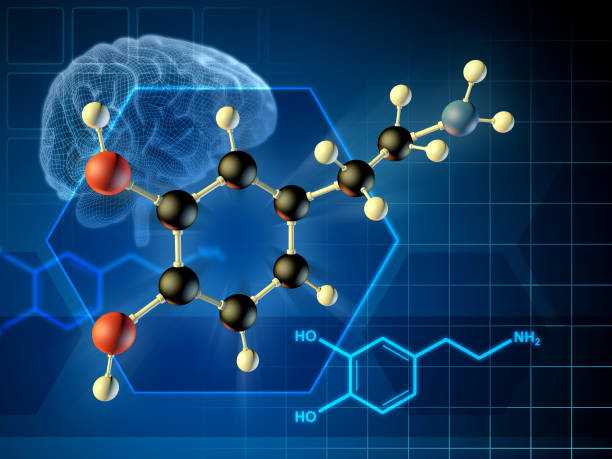
One of the key drivers for Motivation is dopamine. This neurotransmitter plays a major role in the reward system in our brain and helps focus, concentration and sleep.

Little did you know that we can actually modify our behaviour, sleep, focus, concentration and all types of cognitive abilities by controlling our dopamine levels?

Seems pretty interesting right? How do we do this though? Can we really control how our brain will function?

Yes we can

Just imagine if you were able to get the same pleasure out of working in front of your computer screen, typing away, as you would get from eating a Belgian waffle topped with Nutella with your favourite coffee made to perfection.

Some type of people have been able to train their brains in such a way that they get huge amounts of dopamine simply in the process of working towards a goal.

The signal is the trigger that reminds the brain of the possible reward. The brain, after receiving the signal releases dopamine to motivate work. Once the work is done, dopamine levels recede, and soon after the reward follows. (Although not very clear in this graph, another, smaller burst of dopamine happens with the reward itself.)

And the more goals you achieve on a regular basis, the neural pathways in your brain get stronger. So when you achieve the goals you set, the hit of dopamine will become stronger.

This doesn’t mean you have to set big goals. The trick to this is to set yourself very small, achievable goals every day, and actually achieve them for regular hits of dopamine.

If you are an over achiever, you will definitely set big goals and it is easy to get demotivated.

So break these big goals down into little pieces. Rather than only allowing your brain to celebrate when you’ve hit the big finish line, you can create a series of little finish-lines for frequent dopamine release. And it’s crucial to actually celebrate. And avoid the dopamine hangover— when you slump after a massive high. 

Create new goals before achieving your current one. That ensures a consistent pattern for experiencing dopamine.

Consuming L-tyrosine, an important amino acid can also benefit. L-tyrosine is a critical contributor to the synthesis of dopamine.

Regular intake may help humans perform in stressful situations, such as being exposed to extreme weather or being asked to perform certain cognitive tasks. In several studies, those taking tyrosine did not exhibit the processing problems or the memory deficits that would normally occur in difficult situations.

Tyrosine is abundant in many foods, especially traditional sources of protein like peanuts, fish, chicken, turkey, soy, eggs, and cottage cheese. It’s also in pumpkin seeds, oats, wheat, beans, sesame seeds, avocado, and bananas. 

Another hack is to keep it moving!
Exercise improves a person’s mental health significantly. When you move your body regularly, it doesn’t just help your physical health but it is also extremely beneficial for your mental state. It also assists in increasing your dopamine levels. Yes, when you exercise, your brain produces dopamine. Regular exercise for at least 30 minutes, every single day, can uplift your mood.

So, in conclusion, all your habits compound over time. If you have habits of distraction, you’ll keep getting even more distracted over time.

If you have habits of productivity and getting things done, you’ll get more things done over time. That is why the rich keep getting richer — it is the law of compounding.

Dopamine hacking is also a regular practise which will help you regulate your levels and optimize them to the fullest.

Start your training with the best trainers in Delhi

Categories
Fitness Lifestyle Nutrition

MANAGE YOUR SWEET CRAVINGS

How often during the day are you plagued by a sugar craving?

Sugar cravings are common but if they are excessive, they can indicate hormonal fluctuations, mood swings and heightened stress levels.

Most of the time, cravings are driven by your brain’s need for a “reward” not your body’s need for food.

If you can have only one bite and stop there, indulging a little when you get a craving is fine.

But if you tend to binge and overeat as soon as you get a taste of sugary foods, then giving in to the cravings is the worst thing you can do.

One of the most common underlying causes of these cravings is a glucose spike followed by reduced blood sugar levels after a meal

This makes us want to seek junk food. The solution doesn’t just limit to “controlling yourself”. The cause needs to be understood.

Low levels of protein and fat combined with high levels of fast-releasing carbs in meals and snacks will cause blood sugar levels to fluctuate.

So there are ways in which you can consume food in a way so that your blood sugar levels are steadier throughout the day.

Adding a little protein to sweet snacks like a handful of plain nuts with a piece of fruit helps stabilise energy release.

Apart from this managing, your glucose spikes are not just about adjusting macros.

Did you know that eating your food in a certain order affects the magnitude at which your blood sugar fluctuates?

Studies have shown that when the vegetables and protein were eaten before the carbohydrates, the glucose levels were 29%, 37% and 17% lower at the 30, 60 and 120-minute checks, compared with when carbohydrates were consumed first. Also, insulin was found to be significantly lower when the participants ate vegetables and protein first.

Primarily what we are doing is we are putting on some clothes on the carbs and flattening the insulin and glucose curve by first using the fibre to slow down gastric emptying and therefore reducing spikes of sugar!

Get started with your fitness journey with the best trainers in Delhi

Categories
Fitness

YOUR DOPAMINE TOOL KIT FOR A HAPPIER YOU!

Why do you feel like having more junk food and sugar all the time even when you are full? Because it is addictive. They trigger the release of dopamine into your brain, which gives you the feeling that you’re on top of the world and you want to repeat that experience.

As humans, our brains are hard-wired to seek out behaviours that release dopamine in our reward system. When you’re doing something pleasurable, your brain releases a large amount of dopamine. You feel good and you seek more of that feeling.

This can be correlated with anything like winning a competition, pursuing any hobbies, and having your favorite food as well.

Dopamine is a neurotransmitter made in your brain which plays a role as a “reward center”. It is responsible for many functions including memory, movement, motivation, mood, attention and more.

Little did you know, that many diseases are also associated with high or low levels of dopamine. These include attention deficit hyperactivity disorder (ADHD), Parkinson’s disease, Restless legs syndrome, mania, obesity and addiction.

Thus there is a good and a bad side to dopamine. And people who suffer from these diseases, need to consume dopamine agonists and antagonist drugs.

However, it is normal for a healthy person to have dopamine imbalances as well. This can be witnessed through your food eating habits, and overall sleeping patterns and behaviour. And the solution to this, doesn’t require medication.

Hence there are natural ways in which you can optimise your dopamine levels for the better.

The first is through dietary changes. As we always mention, the food you eat will determine all aspects of your health.

Eating a diet that’s high in magnesium and tyrosine-rich foods will help produce dopamine naturally. Both these elements are the building blocks for dopamine production.

Tyrosine is an amino acid which is absorbed in your body and then goes to your brain, where it’s converted into dopamine. Foods known to increase dopamine include chicken, almonds, apples, avocados, bananas beets, chocolate, green leafy vegetables, green tea, lima beans, oatmeal, oranges, peas, sesame and pumpkin seeds, tomatoes, turmeric, watermelon and wheat germ.

And the other natural way is through exercise and recreational activities. Engaging in activities that make you happy or feel relaxed will increase dopamine levels. This includes exercise, meditation, yoga, massage, playing with a pet, walking in nature or even reading a book.

Thus your lifestyle plays a critical role in all aspects of your life and health. This will include mental, physical, social and occupational well-being as well!

Start your journey with the best trainers in Delhi.