
Oddsfitness

Personal Fitness and Strength Trainer at Home in Delhi NCR
Categories
Fitness Nutrition

3 STEPS TO LOSE FAT AND GAIN MUSCLE 

Losing fat and gaining muscle is a common goal among people who want to improve their body composition. 

It requires a combination of exercise, nutrition, and lifestyle changes to achieve the desired results. In this blog, we will discuss the three essential steps to lose fat and gain muscle.

Strength training is an essential part of any fat loss and muscle gain program. It involves lifting weights, resistance bands, or using your own body weight to create resistance that will challenge your muscles. 

Strength training has several benefits, including increased muscle mass, increased strength, and improved metabolism.

To maximize your fat loss and muscle gain, focus on compound exercises that work multiple muscle groups at once. Examples of compound exercises include squats, deadlifts, bench press, rows, and chin-ups. 

These exercises recruit more muscle fibers, which leads to more calorie burning and greater muscle growth. Strength training also creates a stimulus for muscle growth. When you lift weights, you create small micro-tears in your muscle fibers. Your body then repairs these tears by building new muscle tissue. 

This process is called muscle hypertrophy, and it is essential for gaining muscle mass.

To optimize your strength training, aim to lift weights at least two to three times per week. 

Focus on progressive overload, which means gradually increasing the weight you lift over time. This will challenge your muscles and help you to continue making progress.

Cardiovascular exercise is an important component of any fat loss program. It involves any activity that raises your heart rate and increases your breathing rate. Examples of cardiovascular exercise include running, cycling, swimming, and dancing.

Cardiovascular exercise burns calories and helps to create a calorie deficit, which is essential for fat loss. It also improves your cardiovascular health, which reduces your risk of heart disease and other chronic diseases.

To maximize your cardiovascular exercise, aim to do at least 150 minutes of moderate-intensity exercise or 75 minutes of vigorous-intensity exercise per week. 

Moderate-intensity exercise includes activities like brisk walking or cycling at a moderate pace. Vigorous-intensity exercise includes activities like running or cycling at a high intensity.

It’s also important to vary your cardiovascular exercise to avoid plateaus and boredom. Mix up your routine by trying different activities, such as running, cycling, swimming, or dancing. 

You can also vary the intensity and duration of your workouts to keep your body challenged and prevent boredom.

Nutrition is a critical component of any fat loss and muscle gain program. You need to eat the right foods in the right amounts to support your workouts and achieve your goals. Here are some nutrition tips to help you lose fat and gain muscle

Protein is essential for muscle growth and repair. It also helps to keep you feeling full, which can reduce your overall calorie intake. Aim to eat at least 1 gram of protein per pound of body weight per day. 

Good sources of protein include lean meats, poultry, fish, eggs, dairy products, beans, and tofu.

Vegetables are a great source of vitamins, minerals, and fiber. They also contain antioxidants, which help to protect your cells from damage. 

Aim to eat at least 2-3 servings of vegetables per day. Choose a variety of colors and types, such as leafy greens, carrots, peppers, and broccoli.

Processed foods and added sugars can contribute to weight gain and poor health. They are often high in calories, low in nutrients, and can cause spikes and crashes in blood sugar levels. Try to limit your intake of processed foods and added sugars as much as possible.

Categories
Fitness Nutrition

QUITTING SUGAR FOR DOPAMINE TUNING

Sugar has become a staple ingredient in the modern diet, with many of us consuming large amounts of it without even realizing it.

This overconsumption of sugar has been linked to various health problems, such as obesity, diabetes, and cardiovascular disease.

However, what many people don’t know is that sugar consumption can also have an impact on our brain’s dopamine levels, leading to an addiction-like behavior that can be difficult to overcome.

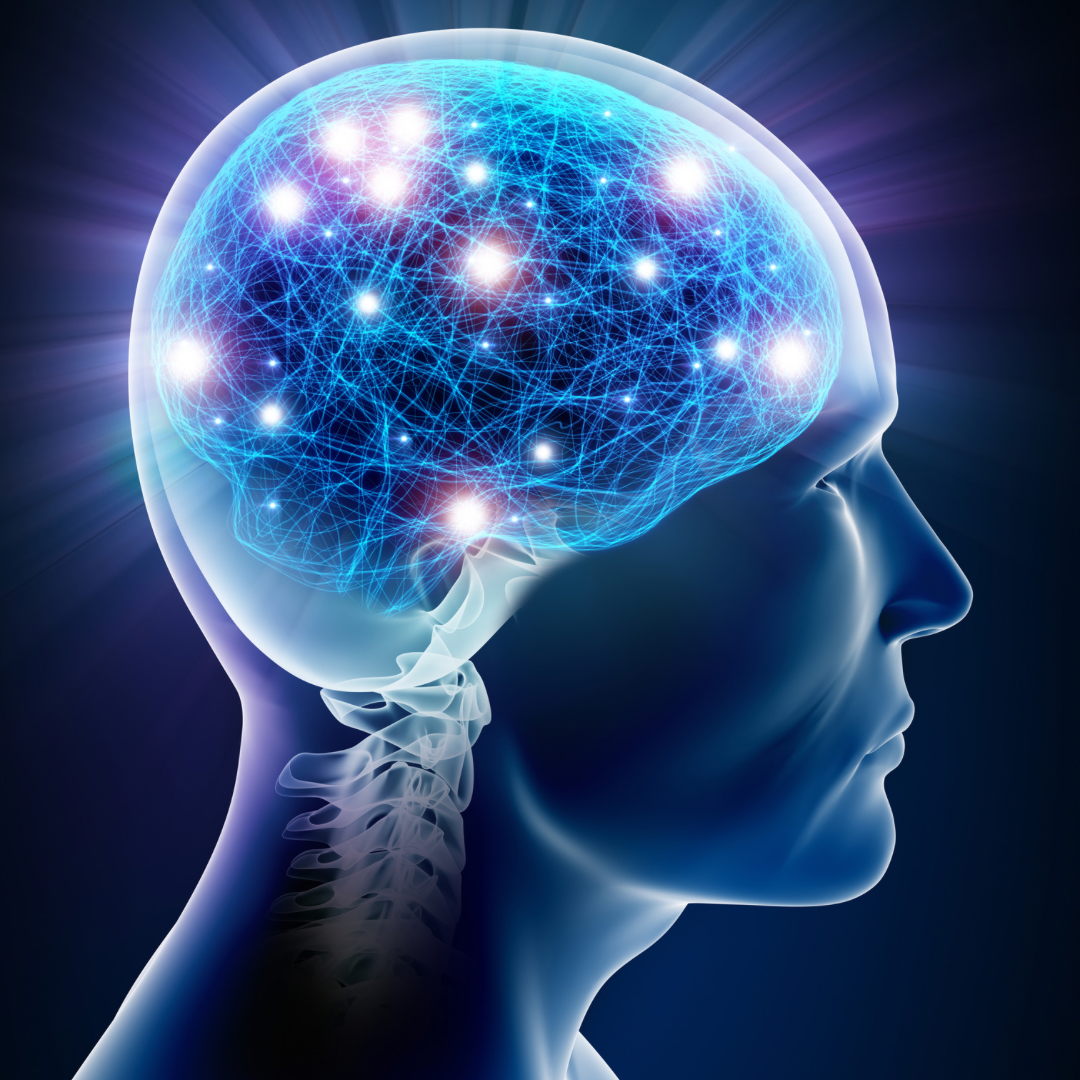
Dopamine is a neurotransmitter that plays a key role in motivation, reward, and pleasure.

It is released in response to various stimuli, such as food, sex, and drugs, and is responsible for the feelings of pleasure and satisfaction that we experience.

When we engage in activities that increase dopamine levels, we feel a sense of reward and pleasure, which encourages us to repeat the behavior.

However, this reward system can be hijacked by addictive substances, such as drugs and sugar.

When we consume these substances, they trigger the release of large amounts of dopamine, which can create a powerful sense of pleasure and reward.

Over time, our brains can become accustomed to this high level of dopamine and require more of the substance to achieve the same level of pleasure, leading to addiction-like behavior.

Sugar consumption has been shown to have a direct impact on dopamine levels in the brain. When we consume sugar, it triggers the release of dopamine in the brain’s reward center, leading to feelings of pleasure and reward.

However, over time, excessive sugar consumption can lead to a blunted dopamine response, meaning that our brains become less sensitive to dopamine and require more of it to achieve the same level of pleasure.

This blunted dopamine response can create a cycle of sugar addiction, where we consume more and more sugar to achieve the same level of pleasure and reward.

This can lead to overconsumption of sugar and a range of health problems, as well as a negative impact on our overall wellbeing and mental health.

Quitting sugar can have a range of benefits for dopamine tuning and overall health and wellbeing.

Quitting sugar can help to improve dopamine sensitivity, which means that our brains become more responsive to dopamine and require less of it to achieve the same level of pleasure and reward.

This can help to break the cycle of sugar addiction and reduce cravings for sugar, leading to a more balanced and healthy relationship with food.

Excessive sugar consumption has been linked to a range of mental health problems, such as anxiety, depression, and mood swings. By reducing sugar consumption, we can help to regulate our mood and improve overall mental health and wellbeing.

Excessive sugar consumption has been linked to weight gain and a range of health problems, such as diabetes, cardiovascular disease, and fatty liver disease. By reducing sugar consumption, we can help to improve overall health markers, including blood sugar levels, cholesterol, and blood pressure, leading to a healthier and happier life.

Quitting sugar can be challenging, especially if you have been consuming large amounts of sugar for a long time. However, with the right mindset and strategies, it is possible to reduce sugar consumption and improve overall health and wellbeing.

Categories
Fitness Nutrition

DOPAMINE DETOX AND TESTOSTERONE

The human body is a complex machine that operates on a variety of different chemicals and hormones. Two of the most important chemicals that affect our mental and physical health are dopamine and testosterone. Both of these chemicals play a crucial role in our daily lives, affecting everything from our mood and energy levels to our ability to build muscle and perform well in sports.

In recent years, there has been a growing interest in the concept of dopamine detox and how it can help people to improve their overall wellbeing. Similarly, there has also been a lot of discussion about the importance of testosterone, particularly in relation to men’s health and fitness. In this blog, we will explore the relationship between dopamine detox and testosterone, and how these two concepts can work together to help you feel and perform at your best.

What is Dopamine?

Dopamine is a neurotransmitter that plays a key role in the brain’s reward and pleasure centers. It is responsible for creating feelings of pleasure and satisfaction when we engage in activities that we enjoy, such as eating, exercising, or having sex. Dopamine also plays a role in motivation, mood, and attention, and is often referred to as the “feel-good” hormone.

While dopamine is essential for our overall wellbeing, excessive amounts of this hormone can lead to addiction and other negative effects. For example, individuals who struggle with drug addiction or compulsive gambling often have imbalanced levels of dopamine in their brain. Additionally, too much dopamine can lead to a lack of motivation, difficulty focusing, and an overall sense of apathy.

What is a Dopamine Detox?

A dopamine detox is a technique that aims to reset the brain’s dopamine receptors by limiting exposure to activities that trigger dopamine release. The idea is to reduce the amount of dopamine in the brain in order to increase sensitivity to the hormone and improve overall wellbeing. During a dopamine detox, individuals avoid activities such as social media, gaming, and junk food that are known to trigger dopamine release.

The goal of a dopamine detox is to reset the brain’s reward system so that smaller amounts of dopamine are required to achieve feelings of pleasure and satisfaction. This can lead to a greater sense of focus, motivation, and overall wellbeing.

How Does Dopamine Detox Affect Testosterone Levels?

While dopamine detox may be beneficial for mental health and wellbeing, some people may be concerned about the impact of this technique on testosterone levels. Testosterone is a hormone that is primarily associated with male development and sexual function, but it also plays a crucial role in muscle growth, bone density, and overall health.

Some people worry that reducing dopamine levels could lead to a decrease in testosterone levels, as dopamine has been shown to have a direct impact on testosterone production in the body. However, there is no evidence to suggest that dopamine detox has a significant impact on testosterone levels.

In fact, some studies have suggested that dopamine detox may actually have a positive effect on testosterone production. This is because dopamine can inhibit the release of luteinizing hormone (LH), which is necessary for testosterone production. By reducing dopamine levels, the body may be able to produce more LH and ultimately, more testosterone.

It’s worth noting that the relationship between dopamine and testosterone is complex and not fully understood. While some studies have suggested a correlation between dopamine and testosterone levels, more research is needed to fully understand the impact of dopamine detox on testosterone production.

Categories
Fitness Nutrition

HOW VEGETABLES PRODUCE KETONES FOR ENERGY

The ketogenic diet has become increasingly popular in recent years as a way to achieve weight loss and other health benefits. The diet involves consuming high amounts of fat, moderate amounts of protein, and very low amounts of carbohydrates. 

The goal of this is to force the body into a metabolic state called ketosis, where it begins to burn fat for energy instead of carbohydrates. 

While most people associate this diet with consuming high amounts of animal products, vegetables can also play an important role in providing ketones for energy.

What are Ketones?

Before we dive into how vegetables provide ketones for energy, let’s first understand what ketones are. Ketones are a type of molecule that the body produces when it breaks down fat for energy. 

When there is not enough glucose (sugar) in the body to provide energy, the liver begins to break down stored fat into molecules called ketone bodies. These ketone bodies can then be used as an energy source by the brain, muscles, and other tissues.

The ketogenic diet is designed to promote the production of ketones in the body by restricting the intake of carbohydrates. When the body doesn’t have enough carbohydrates to use as energy, it switches to using ketones instead. This is why the diet is often referred to as a “high-fat, low-carbohydrate” diet. 

While the ketogenic diet is often associated with consuming high amounts of animal products, vegetables can also play an important role in providing ketones for energy. 

This is because many vegetables are low in carbohydrates and high in fiber, which means they have a minimal impact on blood sugar levels.

When the body is in a state of ketosis, it is important to consume foods that are low in carbohydrates and high in fat. This is why many people on the ketogenic diet rely on animal products like meat, eggs, and cheese. 

However, vegetables can also be a great source of healthy fats, which can help promote the production of ketones in the body.

One of the most important types of vegetables for promoting ketone production is leafy greens. Vegetables like spinach, kale, and Swiss chard are high in fiber and low in carbohydrates, making them an ideal food for those on the ketogenic diet. 

They are also rich in vitamins and minerals, making them a nutritious addition to any diet.

Other vegetables that are high in healthy fats and low in carbohydrates include:

Avocado is a great source of healthy fats, including monounsaturated and polyunsaturated fats. It is also high in fiber and low in carbohydrates, making it an ideal food for those on the ketogenic diet.

Broccoli is a cruciferous vegetable that is high in fiber and low in carbohydrates. It is also rich in vitamins and minerals, making it a nutritious addition to any diet.

Cauliflower is another cruciferous vegetable that is high in fiber and low in carbohydrates. It is also a good source of vitamin C and other important nutrients.

Zucchini is a low-carbohydrate vegetable that is high in fiber and water. It is also rich in antioxidants and other important nutrients.

Brussels sprouts are a cruciferous vegetable that is high in fiber and low in carbohydrates. They are also rich in vitamins and minerals, making them a nutritious addition to any diet.

While vegetables can play an important role in providing ketones for energy, it is important to consume a variety of different types of vegetables to ensure that you are getting all of the nutrients your body needs. 

Eating a variety of different colored vegetables, for example, can help ensure that you are getting a range of important vitamins and minerals.

Start your journey with the best coaches in Delhi 

Categories
Fitness Nutrition

NUTRITION AND ANORGASMIA

Anorgasmia, also known as orgasmic dysfunction, is a condition where an individual experiences difficulty reaching orgasm or cannot achieve orgasm at all. It is a common sexual disorder that can affect both men and women. 

There are several factors that can contribute to anorgasmia, including psychological factors, medical conditions, and lifestyle factors such as poor nutrition.

Nutrition plays a crucial role in our overall health, including our sexual health. 

A balanced diet that provides essential nutrients can help improve sexual function, including orgasm. In this blog, we will explore the relationship between anorgasmia and nutrition and how a healthy diet can help improve sexual function.

The link between anorgasmia and nutrition

Anorgasmia is a complex condition that can have various causes, including hormonal imbalances, medication side effects, and psychological issues such as anxiety or depression. 

However, poor nutrition can also contribute to anorgasmia by affecting hormone levels, blood flow, and nerve function.

Nutrients such as vitamins, minerals, and amino acids play a vital role in maintaining optimal sexual function. For example, vitamin E is an antioxidant that helps protect cells from damage and improves blood flow. 

It also helps with the production of hormones such as estrogen, which is important for female sexual health. Similarly, zinc is essential for testosterone production and sperm quality, which can affect male sexual function.

Amino acids such as arginine and lysine are also important for sexual health. Arginine helps with the production of nitric oxide, which relaxes blood vessels and improves blood flow. 

This can help improve sexual function by increasing sensitivity and arousal. Lysine, on the other hand, helps with the production of collagen, which is important for maintaining healthy tissues and blood vessels.

A balanced diet that provides these essential nutrients can help improve sexual function and reduce the risk of anorgasmia. However, poor nutrition can lead to deficiencies in these nutrients, which can affect sexual function and contribute to anorgasmia.

Poor nutrition and anorgasmia in women

Anorgasmia is more common in women than in men, and poor nutrition can play a significant role in this. Women require certain nutrients for optimal sexual health, including vitamins such as vitamin E and B-complex vitamins, and minerals such as zinc and magnesium.

Vitamin E is essential for maintaining healthy vaginal tissues and improving blood flow to the genitals. It also helps with the production of estrogen, which is important for female sexual function. 

A deficiency in vitamin E can lead to vaginal dryness, decreased libido, and difficulty reaching orgasm.

B-complex vitamins, including vitamin B6 and B12, are also important for female sexual health. These vitamins help with the production of hormones and neurotransmitters, which can affect sexual desire and orgasm. 

A deficiency in these vitamins can lead to decreased libido, fatigue, and difficulty achieving orgasm.

Zinc is another important nutrient for female sexual health. It helps with the production of hormones such as estrogen and progesterone, which are important for sexual function. 

A deficiency in zinc can lead to decreased libido, vaginal dryness, and difficulty reaching orgasm.

Magnesium is also important for female sexual health. It helps with the production of hormones and neurotransmitters that are important for sexual desire and orgasm. A deficiency in magnesium can lead to fatigue, anxiety, and difficulty reaching orgasm.

Overall, a balanced diet that provides these essential nutrients can help improve sexual function in women and reduce the risk of anorgasmia. 

However, a poor diet that lacks these nutrients can contribute to anorgasmia and other sexual dysfunctions.

Poor nutrition and anorgasmia in men

Anorgasmia can also affect men, and poor nutrition can contribute to this condition in various ways.

Start your journey with the best trainers in Delhi 

Categories
Fitness Nutrition

KETOSIS IS NOT A DIET

Ketosis is a natural physiological state that occurs when the body produces ketones as an alternative fuel source to glucose. 

Contrary to popular belief, ketosis is not a diet. Instead, it is a metabolic process that can be achieved through various dietary strategies.

What is Ketosis?

Ketosis is a natural physiological process that occurs when the body produces ketones as an alternative fuel source to glucose. 

Ketones are produced in the liver from stored fat and can be used by the brain and other organs for energy.

Normally, the body uses glucose as its primary source of fuel. 

Glucose is derived from the carbohydrates that we eat, and it is stored in the liver and muscles as glycogen. When glucose is not available, such as during periods of fasting or low-carbohydrate intake, the body begins to break down stored fat into fatty acids, which are then converted into ketones by the liver.

Ketones are a more efficient source of energy than glucose, and they can be used by the brain and other organs when glucose is not available. 

Ketones can also be used to fuel physical activity, making them a valuable source of energy for athletes and other active individuals.

Ketosis can be achieved through various dietary strategies, including low-carbohydrate diets, ketogenic diets, and intermittent fasting. 

Each of these approaches involves limiting carbohydrate intake to some degree and increasing fat consumption, which promotes the production of ketones.

Low-carbohydrate diets involve reducing carbohydrate intake to below 130 grams per day, or about 45% of daily calories. This approach can promote weight loss and improve metabolic health, and it may also lead to a state of ketosis in some individuals.

A low-carbohydrate diet typically involves eating a diet rich in whole, unprocessed foods such as meat, fish, eggs, non-starchy vegetables, nuts, and seeds. 

Foods that are high in carbohydrates, such as grains, legumes, and sugary foods, are generally avoided or limited.

Ketogenic diets are more strict than low-carbohydrate diets and involve reducing carbohydrate intake to less than 50 grams per day, or about 5-10% of daily calories. 

This approach is designed to induce a state of ketosis and is often used therapeutically to manage conditions such as epilepsy or type 2 diabetes.

On a ketogenic diet, the majority of calories come from high-fat foods such as meat, fish, eggs, and oils, while carbohydrate intake is limited to non-starchy vegetables and small amounts of low-carbohydrate fruits. 

This approach can be challenging to follow and may require careful planning to ensure adequate nutrient intake.

Intermittent fasting is a dietary strategy that involves alternating periods of fasting with periods of eating. 

This approach can lead to a state of ketosis during the fasting periods, as the body begins to break down stored fat for energy when glucose is not available.

There are several different approaches to intermittent fasting, but one common method is to restrict calorie intake to 500-600 calories per day for two non-consecutive days per week while eating normally on the remaining days. 

Another popular method is to fast for 16 hours per day and eat during an 8-hour window.

Categories
Fitness Nutrition

LIFESTYLE HACKS TO IMPROVE PROSTATE HEALTH

Prostate health is an important aspect of men’s health that is often overlooked until a problem arises. The prostate gland is responsible for producing and secreting fluids that protect and nourish sperm.

It also helps regulate bladder control. As men age, the risk of prostate-related health issues such as enlargement, inflammation, or cancer increases.

Fortunately, lifestyle changes and healthy habits can significantly reduce the risk of prostate problems.

One of the best things you can do for your prostate health is to maintain a healthy diet. A diet rich in fruits, vegetables, whole grains, and lean protein can help reduce the risk of prostate problems.

Foods that are high in fat and processed sugars should be avoided. Some studies have shown that a diet high in lycopene, a nutrient found in tomatoes, can help reduce the risk of prostate cancer. Other foods that may be beneficial for prostate health include broccoli, cauliflower, and green tea.

Regular exercise is not only good for overall health but can also help reduce the risk of prostate problems. Exercise helps maintain a healthy weight, which is important as obesity has been linked to an increased risk of prostate cancer.

It also helps improve blood flow to the prostate gland, which can help reduce inflammation. Exercise can also help reduce stress, which has been linked to an increased risk of prostate problems.

    Smoking is not only bad for your lungs but can also increase the risk of prostate problems. Studies have shown that men who smoke have an increased risk of prostate cancer and other prostate-related health issues. Quitting smoking is one of the best things you can do for your overall health and can significantly reduce the risk of prostate problems.

      Getting enough sleep is important for overall health and can also help reduce the risk of prostate problems. Sleep deprivation has been linked to an increased risk of prostate problems, including prostate cancer. Aim for at least seven hours of sleep each night and avoid using electronic devices before bedtime

        Stress can have a negative impact on overall health and can also increase the risk of prostate problems. Chronic stress has been linked to an increased risk of prostate cancer and other prostate-related health issues. Finding ways to reduce stress, such as meditation, yoga, or deep breathing, can help reduce the risk of prostate problems.

          Staying hydrated is important for overall health and can also help reduce the risk of prostate problems. Drinking plenty of water can help flush out toxins from the body and reduce inflammation in the prostate gland. Aim for at least eight glasses of water per day.

          Excessive alcohol consumption can have a negative impact on overall health and can also increase the risk of prostate problems. Studies have shown that men who drink heavily have an increased risk of prostate cancer. Limit alcohol consumption to no more than two drinks per day.

            Practicing safe sex can help reduce the risk of sexually transmitted infections (STIs) that can increase the risk of prostate problems. STIs such as chlamydia, gonorrhea, and HPV have been linked to an increased risk of prostate cancer. Use condoms during sex to reduce the risk of STIs.

              Start your journey with the best trainers in Delhi

                  Categories
                  Fitness Nutrition

                  KETOGENIC DIET AND ALCOHOLIC LIVER CIRRHOSIS 

                  Alcohol liver cirrhosis is a condition that develops due to the chronic consumption of alcohol. The liver becomes damaged over time, leading to scarring and liver dysfunction. 

                  It is estimated that approximately 10% of heavy drinkers will develop cirrhosis at some point in their lives. While the primary treatment for alcohol liver cirrhosis is abstinence from alcohol, recent research has suggested that a ketogenic diet may have a positive effect on liver health. 

                  What is a Ketogenic Diet?

                  A ketogenic diet is a low-carbohydrate, high-fat diet that has been shown to have many health benefits. The goal of the diet is to put the body into a state of ketosis, where it burns fat for energy instead of glucose. 

                  This is achieved by consuming a diet that is high in fat and low in carbohydrates. The typical macronutrient ratio for a ketogenic diet is 70-75% fat, 20-25% protein, and 5-10% carbohydrates.

                  Ketogenic Diet and Alcohol Liver Cirrhosis

                  There is some evidence to suggest that a ketogenic diet may have a positive effect on alcohol liver cirrhosis. 

                  In one study, researchers fed mice a ketogenic diet for six weeks and then induced cirrhosis by injecting them with carbon tetrachloride. 

                  The researchers found that the mice on the ketogenic diet had less liver damage and inflammation than the mice on a standard diet. Additionally, the ketogenic diet was found to improve liver function and reduce the risk of liver cancer.

                  Another study looked at the effect of a ketogenic diet on patients with nonalcoholic fatty liver disease (NAFLD), which is a condition that is similar to alcohol liver cirrhosis in that it involves liver damage and inflammation. 

                  The researchers found that the patients who followed a ketogenic diet for six months had significant improvements in liver function and reduced inflammation.

                  While these studies focused on NAFLD, the findings are still relevant to alcohol liver cirrhosis. Both conditions involve liver damage and inflammation, and the ketogenic diet appears to have a positive effect on both.

                  How Does a Ketogenic Diet Help?

                  There are several ways in which a ketogenic diet may help improve liver health in people with alcohol liver cirrhosis. 

                  A ketogenic diet has been shown to be effective for weight loss. Excess weight is a risk factor for liver disease, and losing weight can improve liver function. Additionally, weight loss can reduce inflammation in the liver.

                  The liver is responsible for converting carbohydrates into glucose, which is used for energy. However, consuming too many carbohydrates can overload the liver and lead to liver damage. 

                  By reducing carbohydrate intake, the liver is less taxed and has a chance to recover.

                  Inflammation is a key feature of alcohol liver cirrhosis. A ketogenic diet has been shown to reduce inflammation in the body, which may help improve liver function.

                  A ketogenic diet can improve insulin sensitivity, which can help reduce the risk of developing NAFLD. Improved insulin sensitivity can also reduce the risk of developing type 2 diabetes, which is a risk factor for liver disease.

                  A ketogenic diet has been shown to increase antioxidant activity in the body. Antioxidants help protect the liver from damage caused by free radicals.

                  Start your journey with the best trainers in Delhi 

                  Categories
                  Fitness Nutrition

                  HOW MUCH TRAINING IS TOO MUCH TRAINING?

                  Training at the gym is an excellent way to improve your health and fitness, and there is no doubt that regular exercise can provide numerous benefits. However, there is a fine line between training enough and training too much, and it’s important to understand the potential risks associated with excessive training.

                  What is Overtraining?

                  Overtraining, also known as “chronic fatigue,” is a condition that occurs when an individual exercises too frequently and with too much intensity, without adequate rest and recovery. 

                  Overtraining can lead to a variety of physical and psychological symptoms, including muscle soreness, decreased immune function, sleep disturbances, irritability, and decreased motivation.

                  In essence, overtraining occurs when the body is pushed beyond its limits, and it’s unable to recover and adapt to the stress of exercise. While it’s possible to experience overtraining from any form of physical activity, it’s particularly common in gym-goers, especially those who focus on weightlifting and strength training.

                  What Happens to Your Body When You Overtrain?

                  When you engage in physical activity, your body experiences stress, which triggers a response that allows it to adapt and become stronger. However, if you don’t allow your body to recover and adapt properly, the stress can become overwhelming, leading to negative consequences.

                  Decreased Performance: Overtraining can lead to a decrease in athletic performance, as the body struggles to recover and adapt to the stress of exercise. This can lead to decreased strength, endurance, and flexibility, and can even increase the risk of injury.

                  Increased Risk of Injury: Overtraining can lead to increased risk of injury, as the body becomes more susceptible to strains, sprains, and other injuries. This is because overtraining can lead to weakened muscles and joints, decreased flexibility, and decreased balance.

                  Decreased Immune Function: Overtraining can lead to decreased immune function, as the body struggles to fight off infection and disease. This can lead to increased susceptibility to illness, as well as slower recovery times from illness.

                  Insomnia and Sleep Disturbances: Overtraining can lead to insomnia and sleep disturbances, as the body struggles to rest and recover properly. This can lead to decreased energy levels, decreased cognitive function, and decreased mood.

                  Hormonal Imbalances: Overtraining can lead to hormonal imbalances, as the body’s stress response becomes overwhelmed. This can lead to decreased testosterone levels, increased cortisol levels, and decreased insulin sensitivity, all of which can negatively impact your health and fitness goals.

                  So how do you know if you’re overtraining? Chronic Muscle Soreness: If you’re experiencing chronic muscle soreness that doesn’t seem to go away even with adequate rest and recovery, you may be overtraining.

                  Decreased Performance: If you’re experiencing a decrease in athletic performance, such as decreased strength, endurance, or flexibility, you may be overtraining.

                  Insomnia and Sleep Disturbances: If you’re experiencing insomnia or other sleep disturbances, such as waking up frequently during the night or having trouble falling asleep, you may be overtraining.

                  Decreased Immune Function: If you’re experiencing frequent illness or slower recovery times from illness, you may be overtraining.

                  Mood Changes: If you’re experiencing mood changes, such as increased irritability, decreased motivation, or decreased mood, you may be overtraining.

                  Hormonal Imbalances: If you’re experiencing hormonal imbalances, such as decreased

                  Chronic Muscle Soreness: A certain amount of muscle soreness after a workout is normal, and it’s a sign that your muscles are adapting and getting stronger. However, if you experience chronic muscle soreness that doesn’t seem to go away even with adequate rest and recovery, you may be overtraining. This type of soreness is often described as a deep ache in the muscle, and it can be a sign that your body is struggling to recover from the stress of exercise.

                  One of the most common signs of overtraining is a decrease in athletic performance. This can manifest in several ways, including decreased strength, endurance, and flexibility. You may find that you’re struggling to lift the same weight or run the same distance that you used to, despite your best efforts. You may also find that your muscles feel weak and fatigued, even when you’re not exercising.

                  Overtraining can lead to insomnia and other sleep disturbances, as the body struggles to rest and recover properly. You may find that you’re having trouble falling asleep or staying asleep, or that you’re waking up frequently during the night. This can lead to decreased energy levels, decreased cognitive function, and decreased mood.

                  Decreased Immune Function: Overtraining can also lead to decreased immune function, as the body struggles to fight off infection and disease. You may find that you’re getting sick more often than usual, or that it takes longer for you to recover from illness. This can be a sign that your body is struggling to keep up with the demands of exercise.

                  Overtraining can have a negative impact on your mood, leading to increased irritability, decreased motivation, and decreased mood. You may find that you’re more easily frustrated or angry than usual, or that you’re feeling down or depressed. These changes in mood can be a sign that your body is under too much stress.

                  It can also lead to hormonal imbalances, as the body’s stress response becomes overwhelmed. This can lead to decreased testosterone levels, increased cortisol levels, and decreased insulin sensitivity, all of which can negatively impact your health and fitness goals. You may find that you’re experiencing changes in your menstrual cycle, or that you’re losing muscle mass despite your best efforts.

                  Start your journey with the best trainers in Delhi 

                  Categories
                  Fitness Nutrition

                  IS FOOD ADDICTION REAL? 

                  Food addiction is a controversial topic that has been debated for many years. Some people believe that food addiction is a real phenomenon that can lead to serious health problems, while others believe that it is simply a lack of willpower or self-control.

                  What is Food Addiction?

                  Food addiction is a condition where a person becomes addicted to certain types of food, much like a drug addict becomes addicted to a particular drug. The person may crave certain foods, have difficulty controlling their intake, and experience negative consequences such as weight gain, health problems, and emotional distress.

                  There is no one-size-fits-all definition of food addiction, and different experts have varying opinions on what constitutes food addiction. 

                  Some people believe that food addiction is caused by a chemical imbalance in the brain, while others believe that it is a psychological condition that is related to stress, anxiety, and depression.

                  There are many factors that can contribute to food addiction, including genetics, environment, and personal experiences. Some people may be more susceptible to addiction due to their genetics, while others may develop an addiction due to environmental factors such as the availability of certain foods.

                  One theory is that food addiction is related to the reward system in the brain. When we eat certain foods, our brain releases chemicals such as dopamine, which creates a feeling of pleasure and satisfaction. 

                  Over time, the brain can become desensitized to these chemicals, and the person may need to eat more and more to achieve the same level of satisfaction.

                  Another theory is that food addiction is related to emotional eating. Many people turn to food as a way to cope with stress, anxiety, and other negative emotions. 

                  This can create a cycle of emotional eating, where the person eats to feel better, but then feels guilty and ashamed afterwards.

                  Signs and Symptoms of Food Addiction.

                  There are several signs and symptoms that may indicate that a person is struggling with food addiction. 

                  These include craving certain types of food(especially high-sugar or high-fat foods), eating in secret or feeling ashamed about eating, eating even when not hungry or feeling full, difficulty controlling food intake, continuing to eat even when experiencing negative consequences such as weight gain or health problems, feeling guilty or ashamed after eating, using food as a way to cope with stress or negative emotions, experiencing withdrawal symptoms when trying to cut back on certain foods.

                  It is important to note that not everyone who experiences these symptoms has a food addiction. These symptoms can also be related to other conditions such as binge eating disorder, bulimia, or emotional eating.

                  Currently, there is no official diagnosis for food addiction in the Diagnostic and Statistical Manual of Mental Disorders (DSM-5). 

                  However, some experts believe that it should be included as a separate disorder, while others believe that it is simply a symptom of other conditions such as binge eating disorder.

                  There are several questionnaires and assessments that can be used to screen for food addiction, such as the Yale Food Addiction Scale (YFAS) and the Addiction-like Eating Behavior Scale (AEBS). 

                  These assessments can help to identify people who may be struggling with food addiction and can be useful in developing a treatment plan.

                  Treating food addiction can be challenging, as it involves addressing both the physical and psychological aspects of the addiction. However, with the right treatment, it is possible to overcome food addiction and develop a healthier relationship with food.

                  Start your journey with the best trainers in Delhi