
Oddsfitness

Personal Fitness and Strength Trainer at Home in Delhi NCR
Categories
Fitness Lifestyle Nutrition

ANABOLIC WINDOW : DOES IT EXIST?

Nutrient timing is a very commonly discussed topic. It includes the strategies involved around eating certain foods at particular times to reach your performance goals. 

Drinking a protein shake after gym, for example, is a part of nutrient timing.

Here we discuss this in particular. It’s often seen that 80-90% of gym-going people will be seen shaking their protein shakes in the gym immediately after their workout. 

But it’s not necessary to gulp it down instantly. 

Previous studies have emphasized the post-workout anabolic window where it is suggested that a limited time exists after training to optimize maximum muscle protein synthesis—generally less than an hour after completion of the exercise.

However, though there is evidence that post-workout protein is important for muscle strength and growth, there is also evidence that pre-workout protein can eliminate the need for immediate post-exercise protein consumption. 

The recommended amount of protein to consume surrounding training is 0.4-0.5 g/kg of lean body mass. For most individuals, 20-40 grams of protein spread throughout the day is adequate. 

These needs can be met by consuming one serving of whey protein, four ounces of animal protein, or one cup of mixed plant proteins, such as rice and beans.

Overall, the evidence suggests that the anabolic window may not be as small as we thought. 

The only time that post-workout nutrition is very important is when training is performed in the fasted state. 

If a pre-workout meal is consumed, post-workout nutrition does not need to occur as soon as you re-rack your weights. 

Though nutrient timing is important in some cases, total daily protein intake is equally important to muscular health. 

Nonetheless, there is little to no risk in consuming a protein shake immediately after a workout if daily protein intake is still in the acceptable range, so if you enjoy a shake post-workout, consume it, but for the taste and enjoyment of it rather than the perceived health benefits.

Start your journey with the best trainers in Delhi
Categories
Fitness

WHY SUMO DEADLIFTS ARE A WASTE OF TIME FOR GLUTE GROWTH!

How many times has someone in your gym have advised you to go all in with heavy weights for just a couple of reps with the intention of growing muscles?

Probably all of you. 

Lately, sumo deadlifts have become the ‘Instagram brag exercise’. 

Hypertrophy means growing new muscle tissue so that you can do more volume over time and adapt.

Sumo deadlifts do work your glutes and hamstrings but the range of motion is not enough to recruit all muscle fibres. 

It enables maximising load on the bar but minimises the range that the bar travels.

When you do sumo deadlifts, almost 2/3rd of your glutes don’t do abduction even if you flex your hip at 90 degrees. 

This means that less time is spent on resisting force that provides significant tension to the target tissue. 

Additionally, if you use a mixed grip, you put a lot of tension on the shoulder blades and the bicep of the hand taking a supinated grip. 

This is why many people have torn their bicep doing deadlifts!

So unless you are a powerlifter, who’s just looking forward to increase strength, sumo deadlifts are not that effecient to produce muscle hypertrophy. 

Instead, for hip development, hip thrusts have shown greater glute activation when compared with squats and deadlifts.

Same goes for hamstrings, Romanian deadlifts, stiffed leg deadlifts, leg curl and good mornings activate more hamstring muscles fibers than the deadlifts.

Start your journey with the best trainers in Delhi. 

Categories
Fitness Lifestyle Nutrition

WHAT IS A BALANCED EXERCISE PLAN?

You may only be starting to take the first steps on the road to fitness. Or you may be excited about exercise and want to improve your results. Either way, a well-rounded fitness training plan is essential. 

You need more than just one element to your fitness program to have a balanced routine!

There are loads of benefits to diversifying your workout plan, including avoiding injury.

Add these elements for a well-rounded programme! 

First is strength training. It’s no secret that strength training is a critical part of any weekly workout schedule. 

Sure, dumbbells and barbells may look overwhelming at times, but strength training can help build lean muscle, increase bone strength, and prevent injury.

Not only this, building muscle has been linked to increased longevity. Building muscle also leads to more resting metabolism which leads to more fat-burning effects.

Another is an aerobic activity. That is cardio or endurance activity is the core of most fitness training programs. 

Aerobic exercise causes you to breathe faster and more deeply.

The heart will beat faster, which sends more blood flow to the muscles and back to the lungs.

The better the aerobic fitness, the more efficiently the heart, lungs and blood vessels carry oxygen throughout the body. 

Aerobic activity includes any physical activity that uses large muscle groups and raises the heart rate. 

Some examples include jogging, biking, swimming, sports etc

You also can try high-intensity interval training(HIIT)

HIIT involves doing short bursts of intense activity of around 30 seconds. Then you have recovery periods in between. 

Yoga stretching and meditation play a huge role in enhancing flexibility, mobility and ultimately prevention of injuries. 

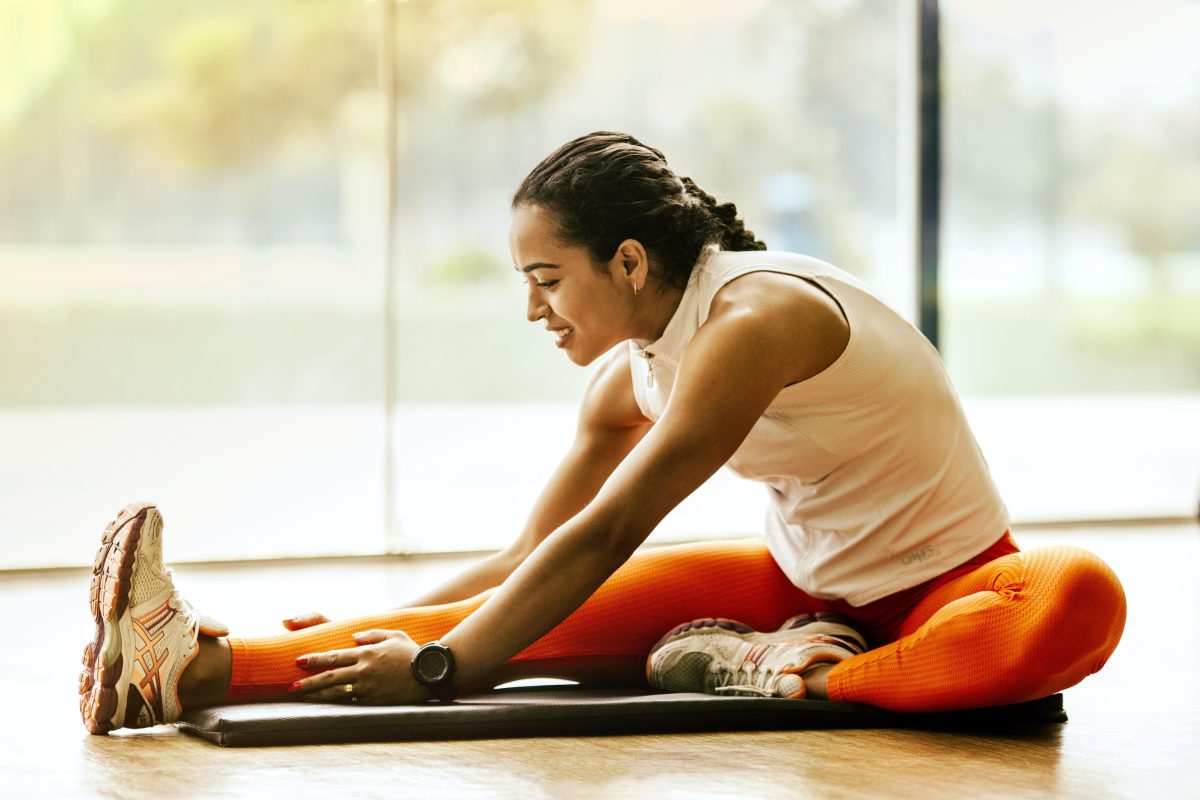
Try to stretch each time you exercise. If you don’t exercise often, you might want to stretch at least 2 to 3 times a week after warming up to keep flexible. Activities such as yoga help you stay flexible too.

All these elements when put together give you a balanced workout routine.

This in combination with nutrition will give you the desired results which you want in no time. Having a balanced workout is important for mental and physical health both.

Start your journey with the best trainers in Delhi 

Categories
Fitness Nutrition

FAT METABOLISM AND CIRCADIAN RHYTHM

Circadian rhythms comprise all physiological and behavioural changes that follow a 24-hour cycle. 

These natural processes respond primarily to light and dark.

This circadian clock plays a crucial role in many biological processes, such as the sleep-wake cycle, hormone secretion, cardiovascular health, glucose homeostasis, and body temperature regulation. 

The circadian clock is the main regulator of metabolism.

The circadian clock can be divided into 2 parts: the central clock, residing in the suprachiasmatic nucleus (SCN) of the hypothalamus, which receives light cues, and the peripheral clock residing in various tissues throughout the body. 

The main stimulus for the suprachiasmatic nucleus is light. 

However, blind individuals have circadian cycles (e.g., sleep-wake cycles) which last longer than 24 h. 

This finding led to the idea that other stimuli, in addition to light, can act as a stimulus for the human biological clock 

The circadian timing system or circadian clock plays a crucial role in many biological processes, but the increase in activities like the common usage of television, the internet, and mobile phones almost 24 h a day leads to a gradual decrease in adequate sleeping time!

The adipose tissue is a central metabolic organ that regulates whole-body energy homeostasis.

Adipose tissues secrete various hormones, cytokines, and metabolites that control systemic energy balance by regulating appetitive signals from the central nervous system as well as the metabolic activity in peripheral tissues. 

For example, leptin has specific receptors on the hypothalamus and is released from the main adipocytes. 

This hormone activates the sympathetic nervous system thermogenesis by increasing thyroid hormones. In thermogenesis, UCP (uncoupling) protein inhibits ATP synthesis in mitochondria, allowing energy to be consumed as heat. 

Leptin increases the level of thyroid hormones and activation of the sympathetic central nervous system, resulting in more UCP formation and thus greater energy use. 

The release of the leptin hormone occurs in a circadian cycle and serum leptin levels peak at night. 

Thus, disruption of circadian balance can affect leptin secretion, thermogenesis, and energy homeostasis, indirectly! 

Start your journey with the best trainers in Delhi 

Categories
Fitness Nutrition

HOW LOSING ELECTRONS DRIVE DISEASE

The fuel of life is an electron, or more exactly, the energy it takes over from photons in photosynthesis, and gives up gradually while flowing through the cell.

Mitochondria in our cells are known as the powerhouse of our cells which produce ATP.

These mitochondria have electron transport chains. The electron transport chain is a series of protein complexes that couple redox reactions that lead to the creation of ATP in a complete system named oxidative phosphorylation. 

It occurs in mitochondria in both cellular respiration and photosynthesis.

So your body needs electrons. 

All cells in our body are negatively charged. Which means they have more electrons inside than protons to function properly.  

You can get this charge with some simple steps. 

Burn more fat. Fat breaks down into 4 times as many electrons as carbs. 

Another method is to increase EZ water. 

EZ water is a special type of water that forms in your cells. 

It’s like a charged battery which stores energy and can deliver that energy to cells that need it. 

EZ water makes your mitochondria stronger so you can produce more energy. 

It also acts as an antioxidant, protecting you from stress and slowing down ageing, and improves protein folding across your whole body, which makes you more resilient to stress and speeds up recovery.

EZ water delivers power to your mitochondria so your cells have more energy. It also fights ageing and stress and helps your body recover faster. This article will cover what EZ water is, why you want it, and how you can make as much of it as possible.

There are a few hacks that help you generate EZ water

Drink raw vegetable juice or fresh spring water. EZ water forms naturally in vegetable juice and spring water. 

Blend regular water (or drink Bulletproof Coffee). Water absorbs vibrational energy when you blend it, which turns a portion of the water into EZ water.

EZ water forms when you blend butterfat into the water, which is one of the many reasons to drink Bulletproof Coffee every morning. 

Expose your skin to the sun. EZ water forms in your cells when you expose your skin (and your eyes, the gateways to the brain) to unfiltered sunlight for a few minutes every day without sunglasses, clothing, or sunscreen. The more skin you expose, the more EZ water you’ll make.

Start your journey with the best trainers in Delhi.

Categories
Fitness Nutrition

ENHANCE YOUR MITOCHONDRIAL HEALTH

The production of ATP is quite a complex process, starting in the Krebs citric acid cycle (TCA cycle). 

But far more important than direct ATP production are the high-energy molecules TCA provides the electron transport chain

This is where 90% of ATP is produced in aerobic metabolism.

The mitochondria are especially susceptible to nutrient deficiencies, environmental toxins, and oxidative damage. 

A large amount of adenosine triphosphate (ATP) must be produced by the mitochondria every second of every day because ATP cannot be stored. This function is so important that mitochondria can take up as much as 25% of the cell volume.

Although many nutrients are necessary for ATP production. These include carnitine to transport fatty acids, iron, magnesium, manganese, and vitamins B1, B2, and B3. 

There are a few strategies, to improve mitochondrial function. 

This includes optimising nutrient status to limit oxygen and high-energy electron leakage in the ETC. 

Decrease toxin exposure. Because of the huge metabolic activity of the mitochondria, they are especially susceptible.

Provide nutrients that protect the mitochondria from oxidative stress and utilise nutrients that facilitate mitochondrial ATP production.

Try intermittent fasting, where you fast for fixed hours of the day, which decreases energy levels in the body. To compensate, levels of NAD+ increase, which increases the ability of the mitochondria to produce ATP. 

This results in a subsequent rise in ATP levels due to improved mitochondrial function. 

Build some muscle mass! Even those with mitochondrial damage, such as that found in Parkinson’s disease, can increase ATP production through strength training!

Consume HMB and creatine supplements. Beta-hydroxy beta-methyl butyric acid is an active breakdown product of the amino acid leucine. It is used as a supplement to prevent muscle protein loss.

HMB and creatine supplementation in skeletal muscle cells stimulates the production of proteins and thereby increases the number of mitochondria per cell, overall improving skeletal muscle health.

If you follow these strategies, there’s no doubt that you can improve your mitochondrial health and naturally restore your mood and energy levels.

Start your journey with the best trainers in Delhi
Categories
Fitness Nutrition

COMMON REASONS WHY YOU ARE FEELING DEHYDRATED 

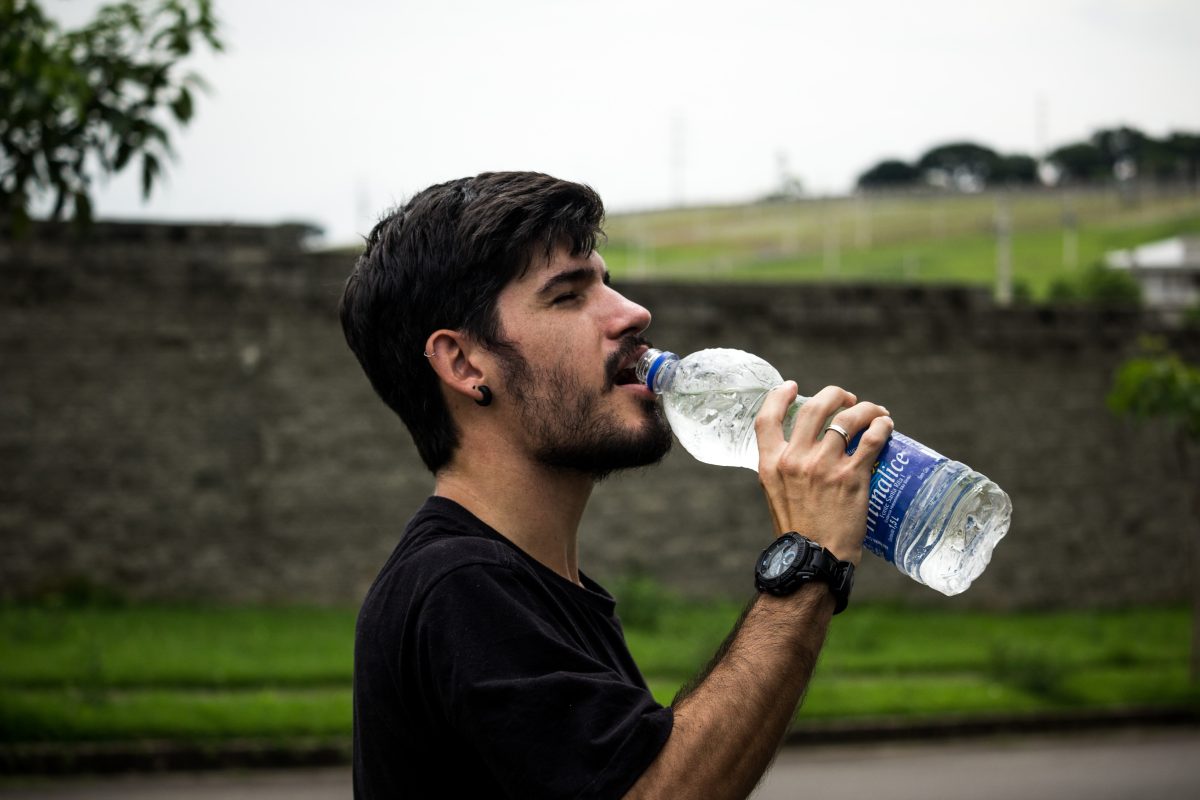
Dehydration occurs when you use or lose more fluid than you take in, and your body doesn’t have enough water and other fluids to carry out its normal functions. If you don’t replace lost fluids, you will get dehydrated.

Between about 55% to about 78% of your body is made of water. Newborn babies are about 78% water, a year-old baby is 65%, adult men are about 60% and adult women are about 55%. Your brain is made up of 73% water, and so is your heart. Your bones are 31% water, muscles and kidneys are 79% and your skin is 64%. And 83% of water makes up your lungs.

Not only is it critical for digestion and getting rid of waste, but it also works your joints and lubricates them, makes saliva (which you need to eat), balances your body’s chemicals, creates hormones and neurotransmitters, delivers oxygen all over your body and act as a shock absorber for your brain, spinal cord and, if you’re pregnant, your fetus as well!

Your body regularly loses water through sweating and urination. If the water isn’t replaced, you become dehydrated. Any situation or condition that causes the body to lose more water than usual leads to dehydration.

When too much water is lost from the body, its organs, cells, and tissues fail to function as they should, which can lead to dangerous complications. 

If severe dehydration isn’t corrected immediately, it could lead to hypovolemic shock. 

Here are some common reasons why you might be dehydrated. 

Drinking often without hydrating oneself will lead to headaches and severe hangovers. 

Alcohol is a diuretic. It causes your body to remove fluids from your blood through your renal system, which includes the kidneys, ureters and bladder, at a much quicker rate than other liquids. 

Alcohol reduces how much vasopressin your body makes. 

Vasopressin is an antidiuretic hormone. It causes the body to hold onto water, which typically limits how much urine your kidneys make.

The action of suppressing this hormone exacerbates the diuretic effect and leads to dehydration.

Drinks containing more than 4% alcohol cause more diuresis, leading to excess water loss from all the cells, including your neurons. 

This leads to headaches and hangovers

High blood sugar spikes mean that your body doesn’t make insulin or use insulin properly. 

Insulin is a hormone that allows your body’s cells to absorb the sugar in your bloodstream, and then use that sugar for energy. 

If your body doesn’t use insulin properly, sugar can accumulate in your bloodstream. 

When your blood sugar remains high for an extended period, your kidneys must work harder to filter and remove the excess glucose. This happens using urination. 

This results in intracellular dehydration. 

It’s this increase in urination that leads to dehydration, especially if you don’t replace lost fluids.

Yet another common reason is excessive caffeine intake. Caffeine is also a diuretic. It increases sodium absorption by 20% and sodium loss through sweat by 15% which leads to dehydration. 

Lack of salt also causes extracellular dehydration. This disturbs blood pressure regulation. 

So whenever you try to combat dehydration, remember that drinking plain water is not the solution. Drinking salt with water is going to be more beneficial

Start your journey with the best trainers in Delhi. 

Categories
Fitness

BOOSTING METABOLISM WHILE SITTING?

Desk work can have a devastating impact on our health, encouraging people to sit for hours in a way that puts humans at greater risk of serious disease 

There are studies which have proven that small movements of the lower legs can mitigate some of the negative effects of sitting still by keeping one muscle’s metabolism up and running for hours!

The soleus muscle is the large muscle on the back of your lower leg which sits underneath the gastrocnemius.

It’s a powerful muscle which helps in running, walking and jumping 

The soleus muscle in the calf, though only 1% of your body weight, can do big things to improve the metabolic health in the rest of your body if activated correctly.

Soleus pushups are an efficient exercise, for maintaining an elevated oxidative metabolism to improve blood glucose homeostasis.

This ability to sustain an elevated oxidative metabolism to improve the regulation of blood glucose is more effective than any popular methods currently touted as a solution including exercise, weight loss and intermittent fasting. 

Oxidative metabolism is the process by which oxygen is used to burn metabolites like blood glucose or fats, but it depends, in part, on the immediate energy needs of the muscle when it’s working.

The soleus pushup targets the soleus to increase oxygen consumption – more than what’s possible with these other types of soleus activities, while also being resistant to fatigue.

So, how do you perform a soleus pushup?

Be seated with feet flat on the floor and muscles relaxed, the heel rises while the front of the foot stays put. 

When the heel gets to the top of its range of motion, the foot is passively released to come back down. 

The aim is to simultaneously shorten the calf muscle while the soleus is naturally activated by its motor neurons.

Release the heel when it is at the top of its motion and place it back on the ground.

Instead of breaking down glycogen, the soleus can use other types of fuels such as blood glucose and fats. 

Although these studies are a huge breakthrough, it doesn’t mean you can consume as many calories as you want and not focus on training your whole body. 

Remember that fat loss is about calories in vs calories out! 

Start your journey with the best trainers in Delhi 

Categories
Fitness Nutrition

SHOULD YOU CONSUME GHEE?

Don’t we all love it when we drizzle a generous amount of ghee on freshly made piping hot parathas or add a spoonful of cooked rice? 

However, with the rise in healthy and conscious eating, people are moving to more nutritious options by doing away with anything that adds extra weight. Since ghee has rich fat content, the debate on whether its consumption is healthy or not has started

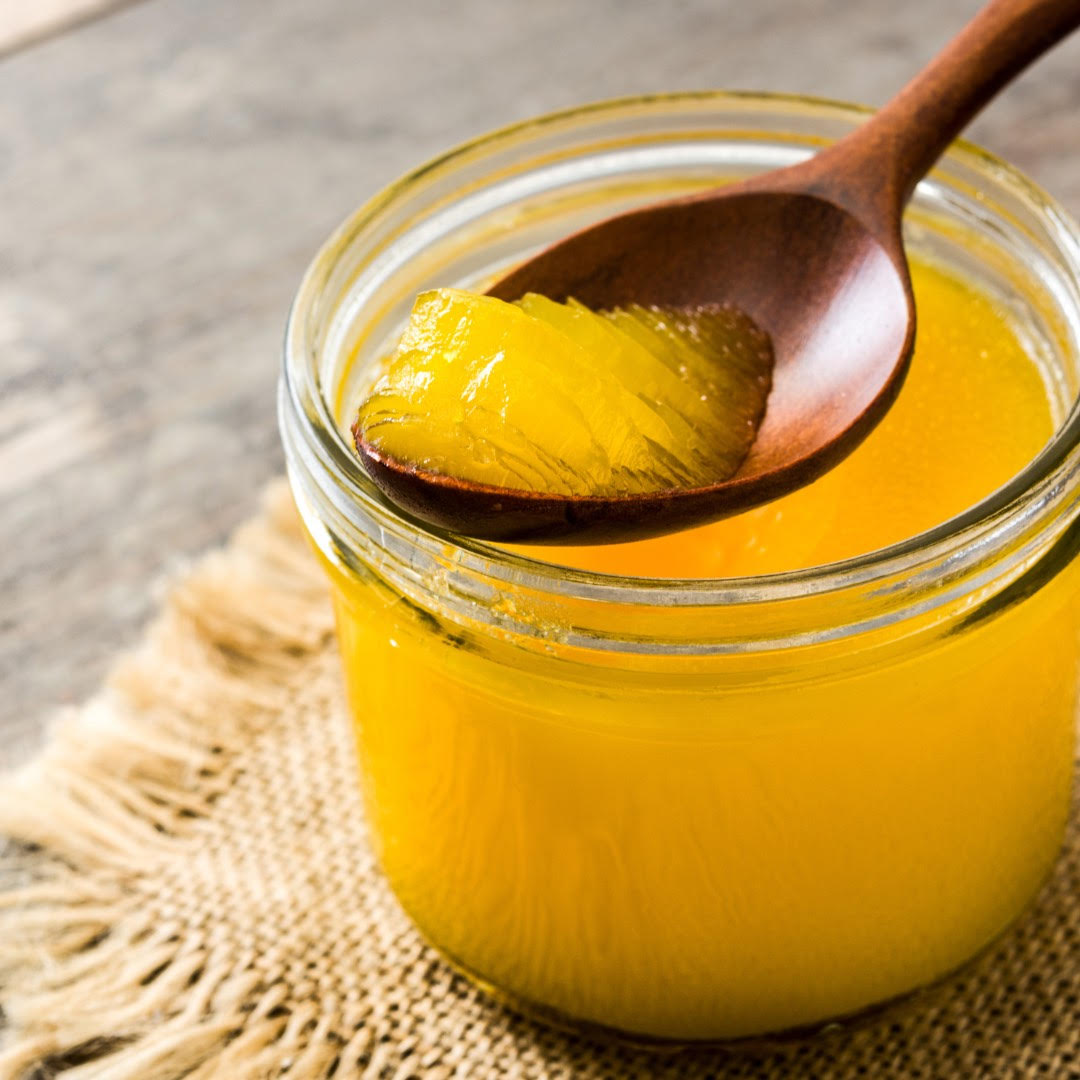
Ghee is a variation of clarified butter. It is made from cow milk butter, which is treated with low heat until the water evaporates, leaving behind milk solids. 

The solids are skimmed off or strained if needed. What remains is only clarified liquid fat known as ghee. Because ghee is treated with low heat, usually under 100 degrees, it retains more nutrients than standard clarified butter. 

Indian households cannot do without their share of ghee. While it is a great ingredient for benefitting overall health, ghee also helps to lose weight. 

Vitamin E is the most powerful antioxidant that ghee contains. Antioxidants help free prevent cell and tissue damage that can lead to disease. 

Hence they also aid in inflammatory conditions.

Ghee contains conjugated linoleic which helps combat cancer and cardiovascular disease.

Butyrate/butyric acid in ghee is a fatty acid that has been linked to an immune system response that soothes inflammation. It has anti-viral properties and contributes to a healthy digestive system. 

Although the CLA in ghee helps reduce weight, it is also a calorie-dense and fat-rich food. 

Therefore, overconsumption can lead to an increase in weight gain and elevate the risk of obesity.

Start your journey with the best trainers in Delhi. 

Categories
Fitness

MOTION IS LOTION

When stiff and painful joints are already bringing you down, the thought of walking around the block or swimming a few laps might seem overwhelming.

Little do you know, exercise can help you improve your health and fitness without hurting your joints.

All of the major moving joints in the body are synovial joints which are surrounded by synovial fluid and hyaline cartilage. 

The synovial fluid makes up about 80 per cent of cartilage’s volume and plays an essential role in supporting weight and lubricating joints.

Since cartilage is porous, synovial fluid leaks out of its holes every day. Permanent loss of this fluid results in a gradual decrease in cartilage thickness and an increase in friction, which can lead to osteoarthritis.

Exercise increases blood circulation throughout your body – including your joints.

As a result, the synovial membrane is exposed to a steady supply of nourishing oxygen and nutrients.

It’s going to strengthen the muscles around your joints, help you maintain bone strength, and give you more energy to get through the day, making it easier to get a good night’s sleep, help you control your weight, enhance your quality of life and improve your balance

Lack of exercise actually can make your joints even more painful and stiff.

That’s because keeping your muscles and surrounding tissue strong is crucial to maintaining support for your bones. 

If you don’t exercise those weaken those supporting muscles, creating more stress on your joints.

There are certain exercises which you can do to keep the joint mobile with minimal stress on it. 

Exercises which focus on a range of motion will relieve stiffness and increase your ability to move your joints through their full range of motion. 

Strength exercises help you build strong muscles that help support and protect your joints. Remember to avoid exercising the same muscle groups two days in a row. 

Endurance exercises can improve your cardiovascular health, help you control your weight and give you more stamina and energy.

Walking, bicycling, swimming and using an elliptical machine are some ways to minimise the stress on your joints. 

Any movement, no matter how small, can help!

Start your journey with the best trainers in Delhi.