
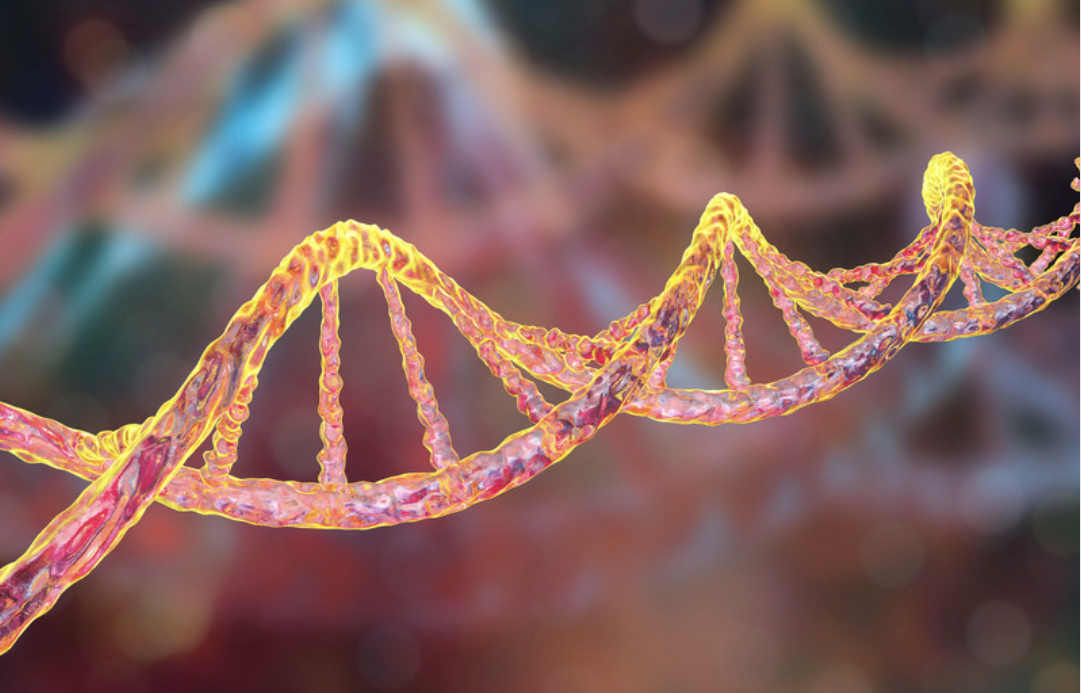
Your DNA, the genetic blueprint that shapes who you are, is a remarkable code embedded within every cell of your body.
Traditionally, it has been believed that our DNA is fixed and unchangeable, determining our traits and predispositions.
However, emerging scientific research reveals that our lifestyle choices play a significant role in influencing our DNA.
To comprehend the impact of lifestyle choices on DNA, we must first understand the fundamentals of DNA. Deoxyribonucleic Acid (DNA) is a complex molecule composed of four chemical bases—adenine (A), thymine (T), cytosine (C), and guanine (G).
These bases combine in specific sequences to form genes, which contain instructions for building proteins, the building blocks of life.
DNA is organized into structures called chromosomes, with each human cell typically containing 46 chromosomes (23 pairs).
Epigenetics, a relatively new field of study, explores the dynamic relationship between environmental factors and gene expression.
Unlike changes in the DNA sequence itself, epigenetic modifications involve chemical tags or markers that attach to the DNA and influence how genes are expressed or “turned on” or “off.”
Epigenetic changes can be inherited or induced by various external factors, including lifestyle choices.
The food we consume is one of the most influential lifestyle factors impacting our DNA. Nutrients from our diet interact with our genes, either enhancing or suppressing their activity.
For example, studies have shown that a diet rich in fruits, vegetables, and whole grains promotes DNA stability and reduces the risk of genetic mutations.
On the other hand, diets high in processed foods, unhealthy fats, and sugars can induce epigenetic modifications, potentially leading to negative health outcomes.
Engaging in regular physical activity not only enhances overall health but also affects DNA.
Exercise has been found to stimulate the production of proteins that protect DNA integrity, repair damaged DNA, and improve the expression of genes associated with various metabolic processes.
Moreover, studies suggest that exercise can even influence the epigenetic marks on DNA, leading to long-lasting changes in gene expression that promote better health.
Stress, both physical and psychological, has profound effects on our DNA. Prolonged or chronic stress triggers the release of stress hormones, which can lead to alterations in gene expression.
These changes have been linked to various health conditions, including cardiovascular diseases, mental health disorders, and accelerated aging.
Therefore, managing stress through relaxation techniques, mindfulness, and adequate sleep is crucial for maintaining the integrity of our cells
Our environment plays a pivotal role in shaping our DNA. Exposure to environmental toxins such as air pollution, chemicals, and radiation can induce DNA damage and disrupt gene expression.
For instance, cigarette smoke contains carcinogens that can directly damage DNA, increasing the risk of cancer development. Minimizing exposure to harmful substances and adopting eco-friendly practices can help protect our DNA and promote a healthier environment
Telomeres, the protective caps at the ends of chromosomes, are essential for maintaining genomic stability. However, telomeres naturally shorten as well.