
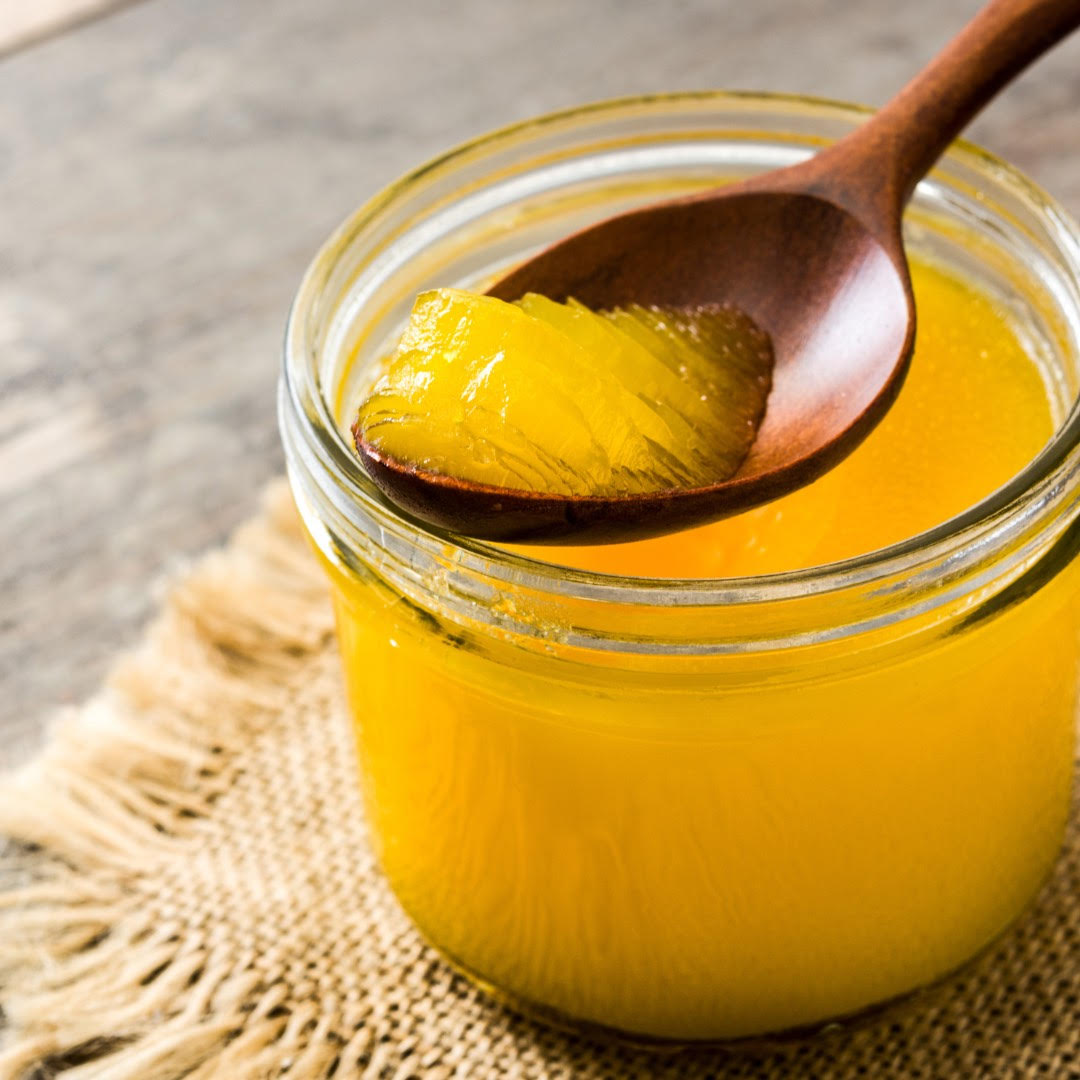
Don’t we all love it when we drizzle a generous amount of ghee on freshly made piping hot parathas or add a spoonful of cooked rice?
However, with the rise in healthy and conscious eating, people are moving to more nutritious options by doing away with anything that adds extra weight. Since ghee has rich fat content, the debate on whether its consumption is healthy or not has started
Ghee is a variation of clarified butter. It is made from cow milk butter, which is treated with low heat until the water evaporates, leaving behind milk solids.
The solids are skimmed off or strained if needed. What remains is only clarified liquid fat known as ghee. Because ghee is treated with low heat, usually under 100 degrees, it retains more nutrients than standard clarified butter.
Indian households cannot do without their share of ghee. While it is a great ingredient for benefitting overall health, ghee also helps to lose weight.
Vitamin E is the most powerful antioxidant that ghee contains. Antioxidants help free prevent cell and tissue damage that can lead to disease.
Hence they also aid in inflammatory conditions.
Ghee contains conjugated linoleic which helps combat cancer and cardiovascular disease.
Butyrate/butyric acid in ghee is a fatty acid that has been linked to an immune system response that soothes inflammation. It has anti-viral properties and contributes to a healthy digestive system.
Although the CLA in ghee helps reduce weight, it is also a calorie-dense and fat-rich food.
Therefore, overconsumption can lead to an increase in weight gain and elevate the risk of obesity.
Start your journey with the best trainers in Delhi.