
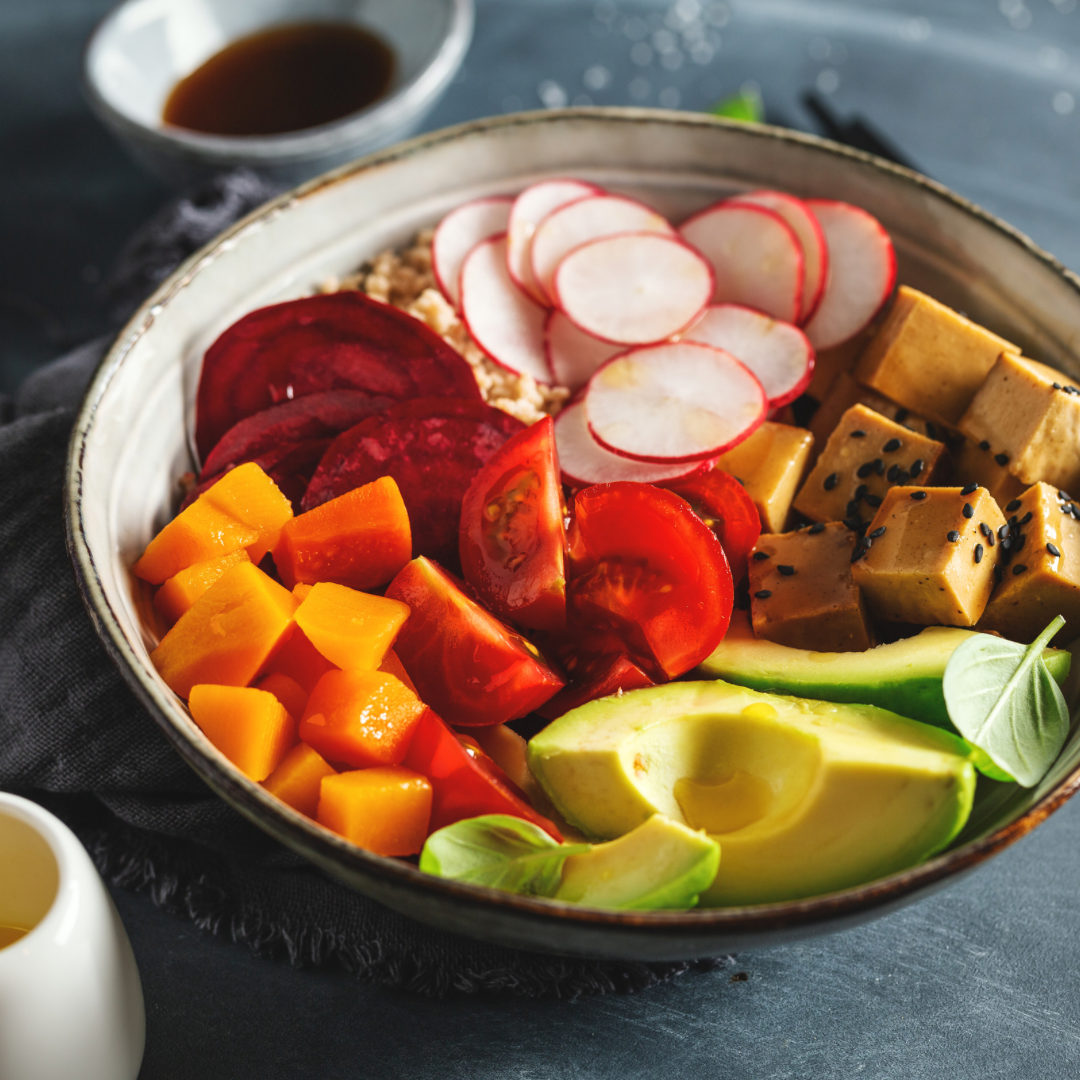
With the rising awareness of ethical and environmental concerns, the popularity of veganism has surged in recent years.
Veganism is a dietary and lifestyle choice that excludes all animal products. This means avoiding meat, poultry, fish, dairy, eggs, and even products derived from animals such as honey. Instead, a vegan diet primarily consists of fruits, vegetables, whole grains, legumes, nuts, and seeds.
A well-planned vegan diet can be rich in essential nutrients such as vitamins C and E, fiber, folate, magnesium, and potassium. Fruits, vegetables, whole grains, and legumes are excellent sources of these vital nutrients, which are essential for overall health and well-being.
Numerous studies have shown that a well-balanced vegan diet can reduce the risk of chronic diseases. Plant-based diets have been associated with a lower risk of heart disease, high blood pressure, type 2 diabetes, and certain types of cancer.
The high fiber content of plant-based foods, coupled with their lower levels of saturated fat and cholesterol, contribute to these health benefits.
A vegan diet can also be helpful for weight management. Plant-based diets tend to be lower in calories and higher in fiber, which can promote feelings of fullness and satiety. Additionally, vegan diets often lead to lower body mass indexes (BMI) and reduced risk of obesity compared to non-vegan diets.
Plant-based diets are typically high in fiber, which acts as a prebiotic, nourishing the beneficial bacteria in the gut. A healthy gut microbiome has been linked to improved digestion, stronger immune function, and a reduced risk of gastrointestinal disorders.
While a well-planned vegan diet can provide all the necessary nutrients, some nutrients are more challenging to obtain solely from plant-based sources.
Vitamin B12, iron, calcium, iodine, omega-3 fatty acids, and zinc are nutrients that require careful attention in a vegan diet. Supplementation or fortified foods may be necessary to ensure adequate intake of these nutrients.
Plant-based protein sources, such as legumes, tofu, tempeh, seitan, and quinoa, can provide adequate protein for most individuals. However, some plant proteins may be incomplete or lower in certain essential amino acids. Combining different protein sources throughout the day can help ensure a complete amino acid profile.
A vegan diet requires careful meal planning, especially when dining out or traveling. It may be more challenging to find vegan options in certain areas or cultures. However, as veganism gains popularity, the availability and accessibility of vegan food options are steadily improving.
Every individual is unique, and what works for one person may not work for another. Some people may find it difficult to transition to a vegan diet due to personal preferences, cultural factors, or potential food sensitivities. It is important to listen to your body and make adjustments that suit your needs.
From a health perspective, a well-planned vegan diet can offer numerous benefits, including improved nutrient intake, reduced risk of chronic diseases, weight management, and better gut health. However, it is essential to consider potential nutritional deficiencies and plan meals carefully to ensure a balanced and diverse diet.
Before making any dietary changes, it is recommended to consult with a registered dietitian or healthcare professional who can provide personalized guidance based on your specific health needs and goals.
Ultimately, the decision to go vegan should be based on a comprehensive evaluation of your personal values, ethical considerations, environmental concerns, and health objectives.
By understanding the potential benefits and challenges of a vegan lifestyle, you can make an informed decision that aligns with your individual needs and values.