
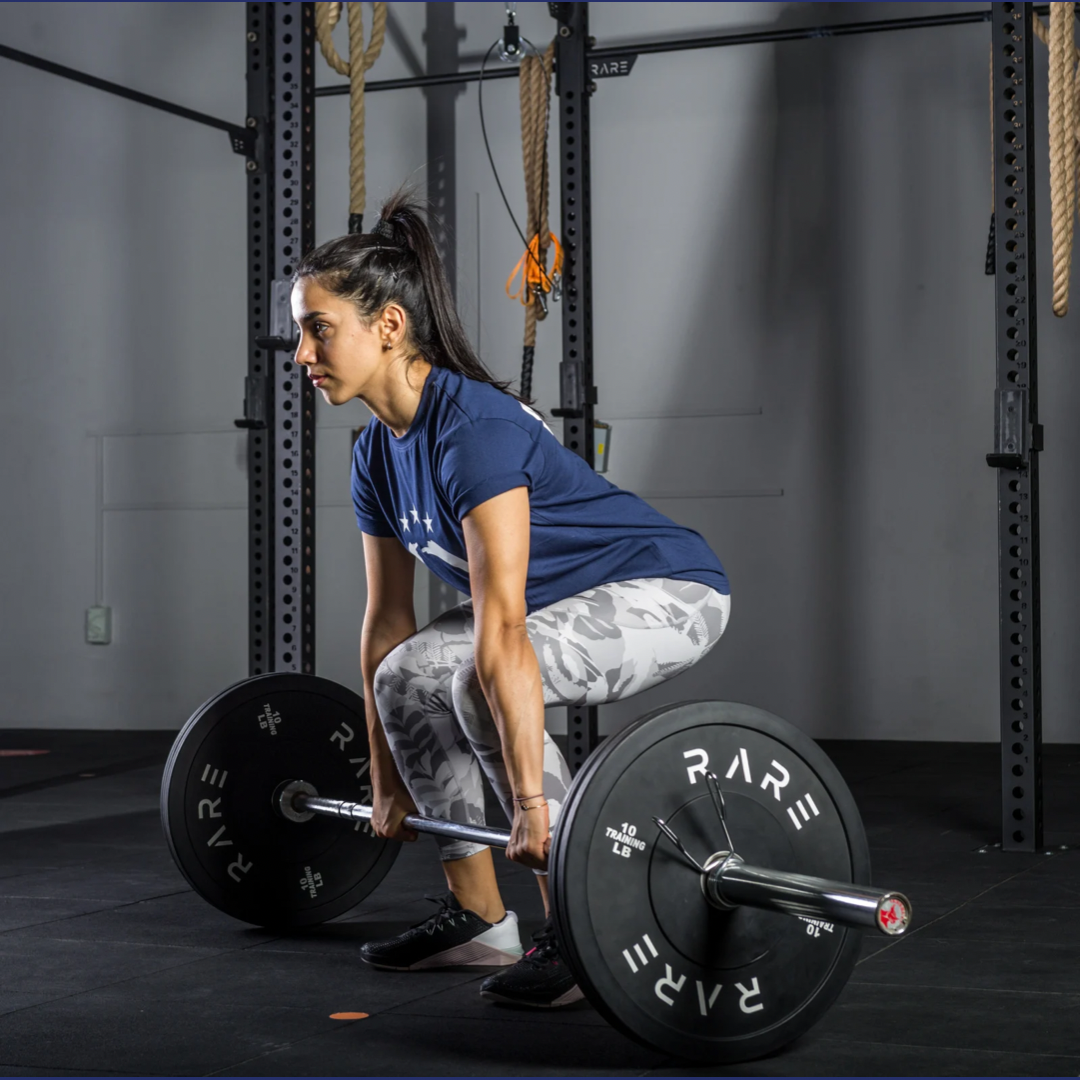
Exercising is more than just execution. There is an equally important factor for maximizing your gains: How the exercise ‘feels’
The simple act of consciously feeling a muscle work through a full range of motion can enhance muscle fiber recruitment and activation. And the more fully and effectively you engage your muscles, the more they’ll grow.
The brain releases a chemical neurotransmitter called “acetylcholine” to communicate with muscles in the body.
When acetylcholine is released, it crosses the “synapses” (the tiny space that separates the nerve from the muscle) where it binds to receptors on the surface of muscle fibres. This causes muscle contraction!
When it comes to mind-muscle connection, we have to consciously try to fire up our neurons in the muscle to get it truly innervated.
Each muscle is innervated or controlled by motor neurons. These motor neurons are responsible for recruiting the correct muscle fiber (Slow twitch for low-intensity activity and fast-twitch for high-intensity activity). They are also responsible for how many muscle fibers we recruit and this is where muscle and neuromuscular innervation is important.
In an untrained individual or someone with poor muscle function, the body might only be using around half of the muscle fibers within a muscle. So using the glute as an example when we try to extend at the hip the motor units send signals to the muscle fibers in the glute to contract but this signal might only get through to half of the available fibers meaning a limited and weak contraction. In highly trained athletes with good muscle function, they will be able to recruit more than 95% of their muscle fibers which means a strong and controlled contraction. This leads to optimal performance. Not only this but it also reduces your risk of injury.
So how do you work on this mind-muscle connection to improve muscle growth?
1. Close your eyes and imagine your muscle contracting.
You don’t have to have that exact image in your mind but you should think about the muscles and how they are working while you’re completing the rep. Take yourself inside the muscle and imagine the fibers breaking down!
2. Flex in Between Sets
Taking an example of bicep curls, you just finished a set of bicep curls. After you set aside the dumbbells, simply stand where you are, and flex the biceps for a few seconds.
3. Slow eccentrics
This is a popular method for increasing time under tension but it’s also a good way to improve your mind-muscle connection. Performing the reps slower helps you feel the muscle working and stretching from start to finish.
Simply put, you can train as hard as you want but if your mind-muscle connection is not fully developed you will never reach your full potential.
Start your fitness journey today with the best trainers in Delhi!