
It’s no secret that alcohol consumption can have negative consequences on our health. But did you know that it can also impact hormone levels?
Alcoholic beverages contain not only alcohol but also numerous other substances.
Plants used to produce alcoholic beverages contain phytoestrogens.
Phytoestrogens are estrogen-like compounds derived from plants which are structurally similar to estradiol.
These compounds include isoflavones, stilbene, coumestan and lignan.
The primary function of estrogen is the development of female secondary sexual characteristics in women which include breasts, uterine lining, regulation of the menstrual cycle, etc.
Men also have female hormones. However, the levels in men are lower than that of females.
Apart from this, estrogen also helps in maintaining cognitive health, bone health, the function of the cardiovascular system, and other essential bodily processes.
Why does alcohol impact estrogen levels?
The liver is responsible for breaking down alcohol, and during this process, it also metabolizes estrogen.
Estrogen is then excreted through the bile into the intestine, and finally eliminated in the stool.
However, when someone consumes alcohol heavily, the liver becomes damaged and is less able to do its job properly. This can lead to a build-up of estrogen in the body, and higher levels of the hormone in the blood.
Alcohol and estrogen are two important factors in the development of many diseases and disorders in males
Although they are often thought of as separate entities, they actually interact with each other in many ways.
Heavy alcohol consumption can increase estrogen levels in men, which can lead to a variety of problems. For one, high estrogen levels can cause men to develop breasts, a condition known as gynecomastia. In addition, high estrogen levels can also lead to testicular shrinkage and infertility.
Additionally, alcohol consumption can interfere with the body’s ability to produce testosterone.
Testosterone is the hormone that helps to maintain muscle mass, bone density, and sex drive.
Low testosterone levels can cause a variety of problems, such as fatigue, depression, and erectile dysfunction.
Studies have proven that men with alcoholic cirrhosis often show testicular failure and symptoms of feminization have suggested that alcoholic beverages may contain biologically active phytoestrogens.
Biochemical analyses have identified several phytoestrogens in beer and wine.
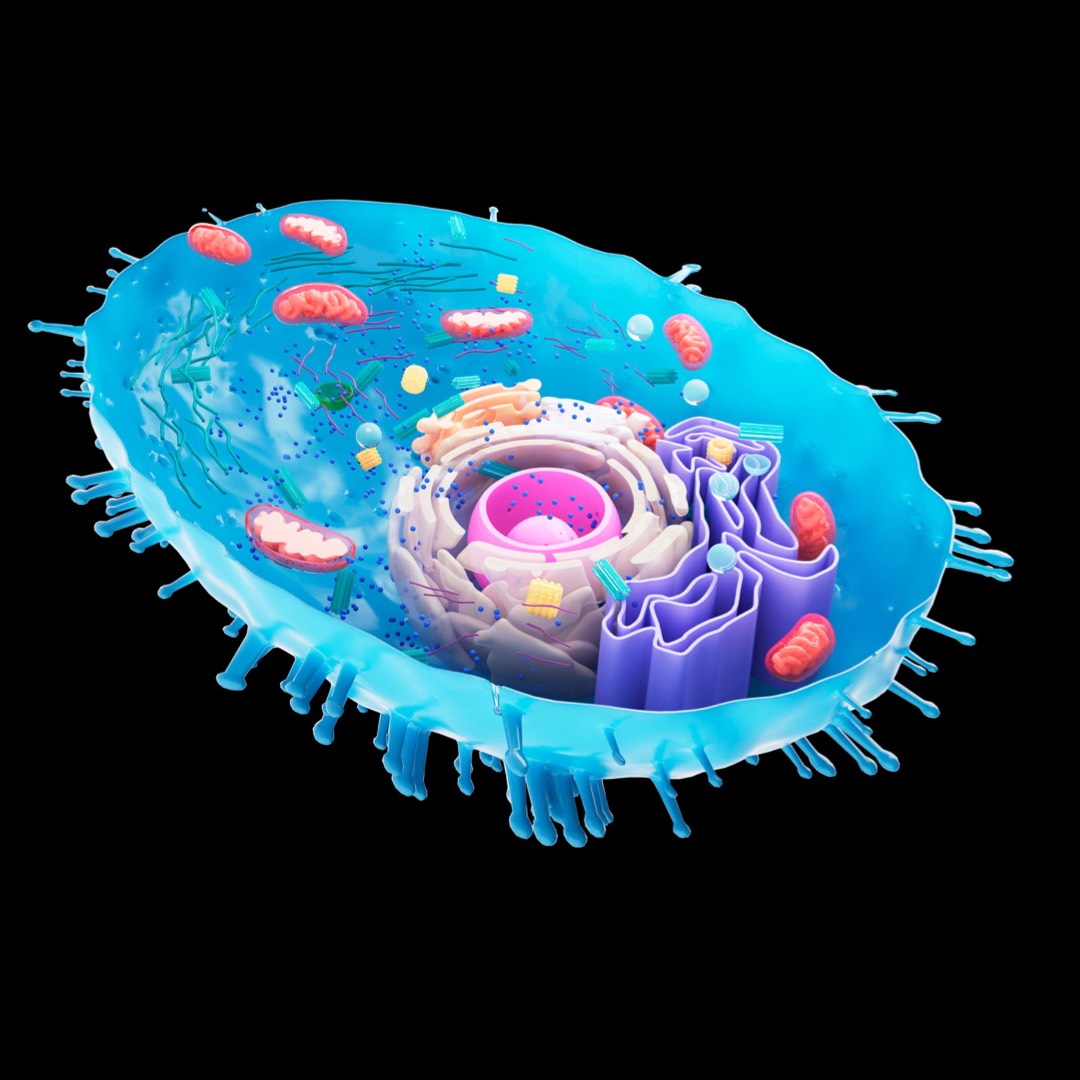
Estrogen exerts its effects by entering its target cells where they bind to receptors in the fluid that fills the cells.
This complex then moves into the nucleus of the cell.
Additionally, alcoholic consumption significantly increases the area under the concentration curve of prolactin and decreases oxytocin.
Drinking alcohol, especially beer, will produce elevated levels of prolactin. Increased prolactin will typically inhibit the pulsatile release of gonadotrophins in men which interferes with spermatogenesis leading to decreased sperm production and infertility.
So men, stay away from alcohol!
Start your journey with the best trainers in Delhi.