Oddsfitness

Personal Fitness and Strength Trainer at Home in Delhi NCR
Categories
Fitness Nutrition

Why Women Are Leading the Charge in Finding the Perfect Weight Loss Diet

It’s no secret that women are more concerned with health and fitness, and when it comes to discovering the best diet to lose weight, they lead the way! Many women juggle work, family, and personal time while also focusing on their wellness objectives. And what’s the hidden weapon? A personalised weight reduction diet that works into their hectic schedule!

Many women are more concerned with feeling strong, confident, and healthy than with reducing a few pounds. That is why selecting the best diet to lose weight entails more than simply following the newest trend. It’s about developing a weight reduction strategy for women that is both sustainable and personalised to their specific requirements, such as increasing energy and controlling hormonal shifts. An effective weight reduction strategy should not only help you lose weight but also fuel your body and promote long-term health.

What was the greatest part? There are several diets available today that are specifically intended for the needs of women. Women have an abundance of options, ranging from low-carb and Mediterranean diets to plant-based regimens. The trick is to select a diet that fits your lifestyle and tastes, whether you enjoy meal preparation or prefer grab-and-go choices.

Consistency is essential, but so is variation. A well-balanced diet for weight loss contains a variety of proteins, healthy fats, and carbohydrates to keep cravings at bay and metabolism functioning smoothly. Combine that with an active regimen and you’ve got a winning combination!

Finally, for women, losing weight is about feeling good both inside and out. So, if you’re searching for the best weight loss plan for women, seek for one that makes you feel good while also supporting your long-term health goals!

Categories
Fitness Nutrition

Are you making these common weight-loss mistakes?

Embarking on a weight loss journey can be exciting yet challenging. Many individuals aim to achieve their goals quickly, but sometimes, common mistakes can hinder progress. Here are some of the most frequent pitfalls people encounter and how to avoid them.

1. Ignoring nutrition:

One of the biggest mistakes is neglecting the importance of nutrition. While exercise is crucial, understanding the diet for weight loss is equally essential. Many people mistakenly think they can out-exercise a poor diet. However, focusing on whole foods, lean proteins, healthy fats, and plenty of fruits and vegetables will provide the nutrients your body needs while helping you shed pounds effectively.

2. Following fad diets:

Fad diets often promise rapid results but can lead to frustration and disappointment. Instead of searching for the best way to lose weight through extreme restrictions, consider adopting a sustainable approach that includes balanced meals and portion control. Gradual weight loss is more achievable and maintains your energy levels.

3. Skipping meals:

Many individuals believe that skipping meals will help them consume fewer calories. In reality, this can backfire, leading to increased hunger and overeating later in the day. Regular, balanced meals and snacks are essential for maintaining energy and a steady metabolism.

4. Lack of physical activity:

Exercise is a vital component of any weight loss journey. However, some people underestimate its significance. While dietary changes are crucial, incorporating regular physical activity can accelerate your results. Look for engaging weight loss programs that combine cardio, strength training, and flexibility exercises to create a comprehensive fitness routine.

5. Not tracking progress:

Many individuals fail to track their food intake and physical activity. Keeping a food diary or using an app can help you stay accountable and identify areas for improvement. Regularly monitoring your progress will also motivate you to stay on track and adjust your strategies as needed.

6. Setting unrealistic goals:

Finally, it’s essential to set realistic and achievable goals. Rapid weight loss can lead to disappointment and unhealthy habits. Instead, aim for gradual changes that fit into your lifestyle, making it easier to maintain your results in the long term.

In conclusion, avoiding these common weight loss mistakes can set you on a successful path to achieving your goals. By focusing on a balanced diet for weight loss, incorporating regular exercise, and following sustainable weight loss programs, you’ll find a healthy and enjoyable way to shed those extra pounds. Remember, it’s about creating lasting habits that will keep you fit and healthy for years to come!

Categories
Fitness Nutrition

Why Today’s Generation is Obsessed with Finding the Best Way to Lose Weight

Weight loss is more than a goal in today’s fast-paced society; it’s a way of life! Thanks to social media, everyone appears to be pursuing the ultimate diet plan for weight reduction, and it’s no surprise that health-conscious millennials and Generation Z are at the forefront. From fitness celebrities to health experts, there’s always a new fad or exercise craze sweeping over, but let’s be honest: what truly works?

For people looking to lose weight, the goal is to select a diet plan that is as unique as they are. Forget the one-size-fits-all approach—today’s age is about customising everything, even diets! Whether you’re interested in low-carb eating, intermittent fasting, or a more specialised diabetic diet plan, customisation is key. No two bodies are alike, so why should their dietary programs be?

But remember, weight loss isn’t only about eating! Sure, fine-tuning your diet is important, but combining a strong eating plan and a great training regimen produces actual results. And if you have diabetes, don’t worry—a diabetic diet plan may keep your blood sugar under control while also helping you lose weight, demonstrating that you can have it both ways.

So, why is everybody so obsessed? Simply said, today’s generation cares about feeling well on the inside and outside. It’s not just about losing a few pounds; it’s about improving your health, balance, and general well-being. Finding the best way to lose weight means combining the right diet, exercise, and lifestyle habits to feel your best. With the appropriate strategy and a little effort, achieving your weight loss goals has never been easier or more enjoyable!

Ready to dive in? Find the greatest diet plan for weight loss, customise it, and start owning this health trend like a pro

Categories
Fitness Nutrition

Begin Your Fitness Journey with The Best Trainer

Have you ever wondered how celebrities maintain their incredible physiques and seem to defy the aging process? The secret often lies in the expert guidance of top-tier professionals, including the best personal trainer in Delhi. Achieving your fitness goals requires more than just willpower; it requires the right support and strategy.

Asad Hussain is a prominent figure in Delhi known for his holistic approach to well-being. Although he is not a personal trainer or fitness instructor, his expertise in health and wellness offers valuable guidance for anyone seeking a transformative journey. What makes Asad stand out is his comprehensive approach, which integrates physical activity, nutrition, and mental well-being into a balanced lifestyle.

One of the standout benefits of working with Asad is his ability to provide personalized advice tailored to your specific needs. He takes the time to understand your current health status, individual goals, and lifestyle preferences. This personalized attention ensures that you receive guidance that is not only effective but also uniquely suited to you.

In today’s digital era, convenience is crucial, and Asad recognizes this need. He offers online fitness consultation, making it easy for you to access expert advice without disrupting your schedule. Whether you prefer to work from home or have a busy lifestyle, Asad’s virtual sessions provide flexibility and ease. During these consultations, Asad can assess your situation, offer actionable recommendations, and support you throughout your journey.

Working with Asad can significantly enhance your approach to health and well-being. His deep understanding and broad knowledge allow him to offer insights that go beyond conventional methods. More importantly, Asad’s motivational approach helps keep you engaged and committed to your personal wellness goals.

If you’re ready to elevate your well-being and explore a more holistic approach, consider reaching out to Asad Hussain. With his expertise and the convenience of online consultations, you have all the tools you need to start making meaningful changes today.

Categories
Fitness Nutrition

Exploring the Benefits of Working with a Fitness Trainer

In Delhi, where life moves at a relentless pace and demands are constantly high, prioritizing health and fitness can often fall by the wayside. Amidst the hustle and bustle of corporate life and urban living, maintaining a regular exercise routine and making healthy lifestyle choices can be incredibly challenging. This is where the expertise and guidance of a fitness trainer in Delhi become invaluable. Whether through in-person sessions or online fitness consultations, working with a professional trainer offers numerous benefits that can help you achieve your fitness goals and lead a healthier, happier life.

One of the primary advantages of working with a fitness trainer in Delhi is the personalized attention and tailored guidance they provide. Unlike generic workout plans or one-size-fits-all fitness classes, a trainer takes the time to understand each client’s unique needs, goals, and limitations. They design customized exercise programs that are specifically tailored to address individual fitness levels, preferences, and objectives. This personalized approach ensures that every workout is effective, efficient, and enjoyable, maximizing results while minimizing the risk of injury.

Furthermore, working with a fitness trainer in Delhi offers accountability and motivation, two crucial factors that can significantly impact adherence to an exercise routine. With the hectic lifestyle, it’s easy for individuals to make excuses or skip workouts altogether. However, when you have a dedicated trainer guiding and supporting you every step of the way, it becomes much harder to fall off track. Trainers help clients set realistic goals, track progress, and stay accountable, motivating them to stay consistent and committed to their fitness journey.

In addition to physical exercise, fitness trainers also provide valuable guidance on nutrition and lifestyle habits, creating a holistic approach to wellness. They educate clients about the importance of balanced nutrition, hydration, sleep, and stress management, empowering them to make healthier choices both inside and outside the gym. By addressing all aspects of health and wellness, trainers help clients achieve sustainable results that extend far beyond just physical fitness.

With the advent of technology, many fitness trainers in Delhi now offer online fitness consultations, providing convenience and flexibility for clients with busy schedules or those who prefer to work out from the comfort of their own homes. Online consultations allow individuals to access professional guidance and support from anywhere, at any time, eliminating the need for commuting to a gym or adhering to fixed appointment times. This flexibility makes it easier for busy professionals, parents, or frequent travelers to prioritize their health and fitness without sacrificing other commitments.

Moreover, online fitness consultation opens a world of possibilities in terms of trainer selection and expertise. With just a few clicks, individuals can connect with top fitness trainers in Delhi who specialize in their specific goals or areas of interest. Whether it’s weight loss, muscle gain, sports performance, or rehabilitation, there’s a trainer out there with the knowledge and experience to help. Online platforms also offer a variety of tools and resources, such as workout videos, meal plans, and progress-tracking apps, to enhance the virtual training experience and facilitate communication between trainers and clients.

From personalized guidance and accountability to holistic wellness support and technological convenience, trainers play a vital role in helping individuals achieve their fitness goals and lead healthier, happier lives. Whether you’re looking for a fitness trainer in Gurgaon or Delhi, professional trainers can provide the support needed to navigate the demands of urban living. In cities where the pace of life can often be overwhelming, investing in professional fitness guidance is not just a luxury but a necessity for prioritizing health and well-being.

Categories
Fitness Nutrition

Finding the Right Nutritionist: The First Step to Better Health

A good nutritionist does more than just hand you a meal plan. They educate you on why certain foods are beneficial, how to balance your meals, and how to make sustainable changes to your eating habits. Maybe you want to lose a few pounds, gain some muscle, or just eat better to feel better. This knowledge empowers you to make better choices long after your sessions have ended.

A simple search for a nutritionist near me or a nutritionist Gurgaon can yield an ocean of results. However, it is important to consider a few key factors before finalising.

Some nutritionists specialise in areas like sports nutrition, weight loss, or managing chronic diseases. Consider their experience and knowledge as well. If you have a specific goal, finding a specialist can provide more targeted advice.

Reviews and testimonials from previous clients can give you insight into the nutritionist’s effectiveness and approach. Positive feedback from people with similar goals to yours is a good sign.

You should feel comfortable and understood by your nutritionist. A good rapport will make it easier to follow their advice and stick to your nutrition plan.

Hence, you want not just any nutritionist – you want the best. Your search for the Best nutritionist begins here!

Living in Gurgaon and looking for a nutritionist has its perks. Gurgaon is home to some of the best professionals in the health and wellness industry. A nutritionist in Gurgaon can provide you with the latest advice and strategies in nutrition science. Plus, being in a bustling city means you have access to a variety of fresh foods and health products that can complement your nutrition plan.

Keep a food diary for a week or two before your first appointment to give them a clear picture of your current diet. Be honest and open to their suggestions, and ask questions to understand the reasoning behind their advice.

Remember, seeing a nutritionist is a partnership. Their role is to guide and support you, but the commitment and effort must come from you.

Categories
Fitness Nutrition

Revolutionizing The ‘F’ Word (Fitness) – Gen Z Edition

In a world where fitness is becoming a top priority, it’s no surprise that Gen Z is leading the charge with a fresh, dynamic approach to health. This vibrant generation is not just embracing fitness but is also not resisting guidance from weight loss dieticians. With their focus on holistic health, Gen Z is setting new standards for wellness, health, and holistic growth.

Gone are the days of one-size-fits-all diets. Today’s fitness enthusiasts are savvy and informed, seeking personalized strategies that cater to their unique needs. Enter the best dietician in Delhi, Mumbai and Gurgaon. These experts play a key role in crafting tailored diets that align with individual goals, preferences, and lifestyles. Whether it’s optimizing energy levels for intense workouts or designing meal plans that support sustainable weight loss, dieticians are at the forefront of this wellness revolution.

Gen Z’s approach to fitness is a far cry from the conventional rigid routines of the past that had people running away from exercise. They’re embracing variety and flexibility, integrating nutrition into their daily lives in a way that feels natural and enjoyable. This generation values balance and seeks out dieticians who offer practical advice and support, rather than just quick fixes.

Upcoming cities have chiefly seen a drastic change in the fitness approach. The best dietitian in Gurgaon especially is instrumental in this shift. They understand that Gen Z wants to enjoy their food while achieving their fitness goals. From plant-based diets to innovative meal planning, these professionals are helping young adults make informed choices that fit their busy lives without having to sacrifice their “fave foods”.

What’s driving this change? It’s a blend of increased health awareness and the desire for authentic, long-lasting results at their convenience. Gen Z’s commitment to fitness is more than a trend; it’s a lifestyle choice backed by expert guidance from leading dieticians. As they continue to redefine wellness, their approach to fitness is shaping a healthier future for everyone.

So, whatever generation you belong to, it’s always great to adapt your mindset to changing times. Consider consulting with a weight loss dietician to craft a plan that’s as dynamic and unique as you are, GenZ style!

Categories
Fitness Nutrition

CAN DIABETICS DRINK PROTEIN SHAKE?

The question of whether diabetics can safely consume protein shakes is a pressing concern for many, given the increasing rates of diabetes and the growing popularity of protein shakes for fitness and nutrition. 

While protein shakes can offer an easy way to supplement your diet, their impact on blood sugar levels needs to be scrutinized. Here’s a comprehensive guide to help you understand the relationship between diabetes and protein shakes.

Protein is essential for muscle building, repairing tissues, and overall bodily function. Unlike carbohydrates, it doesn’t have a drastic effect on blood sugar levels, making it a safer option for diabetics. However, the type and quantity of protein consumed still matter.

Many over-the-counter protein shakes are loaded with added sugars and artificial sweeteners. These can spike blood sugar levels and are not recommended for diabetics. 

Always look at the nutritional label and choose shakes with minimal added sugar.

Opt for a protein shake made from high-quality sources like whey protein isolate, casein, or plant-based proteins like pea or hemp.

Choose protein shakes that are free from artificial flavors and sweeteners.

Consider shakes that also offer a healthy balance of fats and carbohydrates, as these can help stabilize blood sugar levels.

One of the best ways to ensure that your protein shake is diabetic-friendly is to make it yourself. Use natural sweeteners like stevia and include other nutrient-dense ingredients like chia seeds, avocado, or unsweetened almond milk.

Always consult your healthcare provider before making any significant changes to your diet, especially if you’re managing a condition like diabetes. 

While diabetics need to be cautious, a well-chosen or homemade protein shake can indeed be a part of a balanced diabetic diet. Remember to pay close attention to the ingredients and their effects on your blood sugar levels.

By taking these factors into consideration, diabetics can safely incorporate protein shakes into their diet, reaping the benefits without the risks.

Categories
Fitness Nutrition

RETAINING MUSCLE DURING FAT LOSS


When you’re on a mission to lose weight, one of the biggest challenges is maintaining muscle mass while shedding fat. Often, people who focus solely on the scale end up losing valuable muscle tissue, undermining their long-term fitness goals. 

If you want to look and feel your best as you slim down, preserving muscle mass should be at the forefront of your strategy. Here’s how to do it effectively.

First things first: you need to understand that losing weight typically involves a caloric deficit. This means that you’re consuming fewer calories than your body uses for its daily activities. While this is essential for fat loss, it can also make it challenging to hold onto muscle. Therefore, you need to approach your weight-loss regimen in a balanced way.

Protein is the building block of muscle and is crucial for repair and growth. A higher protein intake can help you retain muscle mass during a caloric deficit. Aim for at least 1.2 to 2.2 grams of protein per kilogram of body weight, depending on your activity level.

Equally important is the timing of your protein intake. Distribute your protein evenly throughout the day and especially focus on consuming enough before and after workouts.

Cardio workouts are excellent for burning calories, but strength training is what will help you preserve—or even build—muscle mass. Engage in a consistent strength training program focusing on compound movements like squats, deadlifts, and bench presses.

While cardio is important for overall health and helps in creating a calorie deficit, going overboard with long, strenuous sessions can lead to muscle loss. Opt for moderate cardio exercises and consider implementing high-intensity interval training (HIIT), which is less likely to deplete muscle mass.

While not a substitute for a balanced diet, supplements like BCAAs, creatine, and even a high-quality whey protein can support muscle retention.

Don’t underestimate the power of vitamins and minerals; deficiencies in micronutrients like Vitamin D, calcium, and magnesium can impact muscle function.

Muscles grow and repair not when you’re working out, but when you’re resting. Make sure to get at least 7-8 hours of quality sleep per night and give your muscles adequate time to recover between workouts.

Use tools like body composition scales or DEXA scans to monitor your fat loss and muscle mass. If you’re losing muscle, consider revising your diet or workout plan.

Losing fat while retaining muscle is a balancing act but is crucial for achieving a toned, fit look. By incorporating these tips into your lifestyle, you’ll be well on your way to a body that’s not just lighter but also stronger and healthier. Remember, the journey of fat loss is not just about reducing numbers on the scale but improving your overall body composition.

Whether you’re a serious athlete or just starting your fitness journey, these tips will help you achieve your fat loss goals without sacrificing hard-earned muscle.

Categories
Fitness Nutrition

DYSLIPIDEMIA AND SLEEP

In the multifaceted world of health and wellness, it is widely acknowledged that lifestyle choices, genetic factors, and medical conditions influence our overall well-being.

However, one crucial aspect that often goes unnoticed is the profound connection between sleep and a condition called dyslipidemia. 

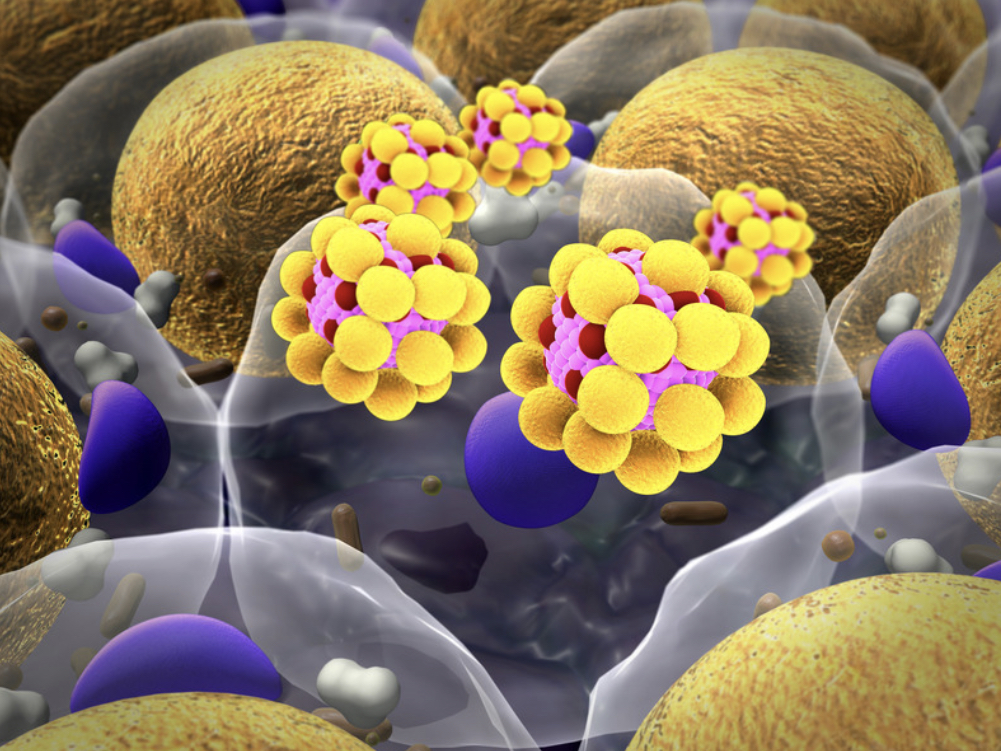
Recent research has uncovered a fascinating link between our sleep patterns and the development of dyslipidemia, which involves an abnormal level of lipids (fats) in the bloodstream.

Dyslipidemia may sound like a medical jargon, but its implications for our health are undeniable. At its core, dyslipidemia denotes the presence of abnormal levels of lipids in the blood, encompassing cholesterol and triglycerides. 

These lipids, while essential for various bodily functions, become problematic when they are imbalanced, potentially leading to serious health issues, particularly cardiovascular diseases.

Understanding the Sleep Connection

How exactly does sleep come into play in the context of dyslipidemia? Recent scientific studies have illuminated a significant association between suboptimal sleep quality and an increased susceptibility to dyslipidemia.

Sleep plays a pivotal role in regulating lipid metabolism. When we fail to obtain sufficient restorative sleep, the body’s ability to process lipids efficiently is compromised. 

This disruption can result in an elevation in harmful LDL cholesterol and triglycerides, setting the stage for dyslipidemia.

Poor sleep is closely linked to weight gain and obesity, both of which are established risk factors for dyslipidemia. 

Sleep-deprived individuals often experience hormonal shifts that intensify appetite and reduce insulin sensitivity, heightening the likelihood of excess weight accumulation.

Sleep deprivation triggers chronic inflammation, a pivotal factor intertwined with dyslipidemia. Chronic inflammation can inflict damage on blood vessels and contribute to the accumulation of plaque, thereby narrowing the arteries.

Sleep insufficiency tends to elevate cortisol levels, the body’s primary stress hormone. Elevated cortisol levels, in turn, can lead to higher triglyceride levels and decreased levels of the “good” HDL cholesterol, both of which are cardinal contributors to dyslipidemia.

Enhancing Sleep for Optimal Lipid Health

Now that we have established the profound connection between sleep and dyslipidemia, it is imperative to discuss strategies for enhancing your sleep quality and, consequently, safeguarding your lipid health.

A solid foundation for improved sleep lies in the establishment of a consistent bedtime routine. Cultivate a comfortable sleep environment by minimizing electronic device usage before bedtime and ensuring that your sleeping area is cool, dark, and tranquil.

It is advisable to adhere to a regular sleep schedule, retiring to bed and waking up at the same times each day, even on weekends. The consistency helps reinforce your body’s internal clock, promoting healthier sleep patterns.

Engaging in regular physical exercise can markedly enhance sleep quality and aid in weight management. Given that excess weight is a key risk factor for dyslipidemia, exercise contributes significantly to reducing this risk.

Your dietary choices are paramount in maintaining optimal lipid levels. Embrace a diet rich in fruits, vegetables, whole grains, and lean proteins. Additionally, limiting the intake of saturated and trans fats, which can contribute to dyslipidemia, is crucial for maintaining heart health.

Effectively managing stress is essential in the context of sleep and lipid health. Incorporate stress-reduction techniques into your daily routine, such as mindfulness, meditation, or deep breathing exercises, to keep cortisol levels in check and create a conducive environment for restorative sleep.

Dyslipidemia, with its potential to elevate the risk of cardiovascular diseases, warrants our attention and proactive efforts to mitigate its impact. 

While multiple factors influence its development, the role of sleep is increasingly being recognized as a critical one. By making the conscious decision to prioritize good sleep hygiene and address any sleep-related disorders, you take a significant step towards promoting healthy lipid levels and overall well-being. 

It is imperative to acknowledge that sleep is not a mere luxury but a necessity for a vibrant, long, and healthy life. It is within our grasp to embrace it.

Recent research has shed light on the intricate relationship between sleep and a condition known as dyslipidemia. In this article, we will explore what dyslipidemia is, how it is related to sleep, and what you can do to maintain healthier lipid levels through better sleep habits.

Dyslipidemia is a term that might not be immediately familiar to everyone. Simply put, it refers to an abnormal level of lipids (fats) in the bloodstream, including cholesterol and triglycerides.

These lipids are essential for various bodily functions, but when their levels become imbalanced, they can lead to serious health issues, most notably cardiovascular diseases.

Understanding the Sleep Connection

So, what does sleep have to do with dyslipidemia? As it turns out, quite a lot. Recent scientific studies have shown a significant link between poor sleep quality and an increased risk of developing dyslipidemia.

Sleep plays a crucial role in the regulation of lipid metabolism. When we don’t get enough restorative sleep, our body’s ability to process lipids efficiently is compromised. This can lead to an elevation in harmful LDL cholesterol and triglycerides.

Poor sleep is associated with weight gain and obesity, which are risk factors for dyslipidemia. Sleep-deprived individuals often experience hormonal changes that increase their appetite and reduce their sensitivity to insulin, making them more prone to gaining excess weight.

Lack of sleep can trigger chronic inflammation, which is closely tied to dyslipidemia. Inflammation can damage blood vessels and contribute to the buildup of plaque, narrowing the arteries.

Sleep deficiency also tends to raise cortisol levels, the body’s stress hormone. Elevated cortisol can lead to higher triglyceride levels and lower levels of the “good” HDL cholesterol.

Improving Sleep for Better Lipid Health

Now that we’ve established the connection between sleep and dyslipidemia, it’s important to discuss how you can improve your sleep to protect your lipid health.

Establish a bedtime routine and create a comfortable sleep environment. Avoid electronic devices before bedtime, and keep your sleeping area cool, dark, and quiet.

Try to go to bed and wake up at the same time every day, even on weekends. Consistency reinforces your body’s internal clock.

Engaging in regular exercise can improve sleep quality and help manage weight, reducing the risk of dyslipidemia.

Adopt a diet rich in fruits, vegetables, whole grains, and lean proteins. Limit your intake of saturated and trans fats, which can contribute to dyslipidemia.

Practice stress-reduction techniques such as mindfulness, meditation, or deep breathing exercises to keep cortisol levels in check.

Dyslipidemia is a concerning health condition that can significantly increase the risk of cardiovascular diseases. While many factors contribute to its development, the role of sleep should not be underestimated. 

By prioritizing good sleep habits and addressing any sleep disorders, you can take an important step towards maintaining healthy lipid levels and overall well-being. It’s time to recognize that sleep is not a luxury but a necessity for a healthy life.