
Oddsfitness

Personal Fitness and Strength Trainer at Home in Delhi NCR
Categories
Fitness Nutrition

REVERSING PELVIC FLOOR DYSFUNCTION WITH EXERCISE

Pelvic floor dysfunction is a prevalent and often underdiagnosed condition that can significantly impact a person’s quality of life. It can lead to a range of uncomfortable symptoms, including urinary incontinence, pelvic pain, and sexual dysfunction. 

While there are various treatment options available, exercise is emerging as a powerful tool for reversing pelvic floor dysfunction. In this article, we’ll explore the causes of pelvic floor dysfunction, its symptoms, and how exercise can help alleviate and even reverse this condition.

The pelvic floor is a group of muscles and connective tissues that form a hammock-like structure at the base of the pelvis. 

These muscles support the pelvic organs, including the bladder, uterus, and rectum, and play a crucial role in controlling urinary and bowel functions. 

When the pelvic floor becomes weak or dysfunctional, it can lead to various issues.

The stress and strain on the pelvic floor during pregnancy and childbirth can weaken these muscles.

As we age, the pelvic floor muscles tend to lose strength and tone.

Frequent straining during bowel movements can put excess pressure on the pelvic floor.

Excess weight can strain the pelvic floor, leading to dysfunction.

Repetitive high-impact exercises can negatively affect the pelvic floor.

Exercise can be a highly effective approach to reverse pelvic floor dysfunction by strengthening the muscles and improving their function.

Kegels involve contracting and relaxing the pelvic floor muscles. Regular Kegel exercises can improve muscle tone and control, reducing incontinence and pelvic pain.

These exercises help to improve the alignment of the pelvis and engage the core and pelvic floor muscles.

Squats are excellent for strengthening the entire pelvic region, including the pelvic floor.

Pilates focuses on core strength, which can be beneficial for the pelvic floor. Certain yoga poses and stretches can enhance pelvic floor function and flexibility.

Proper breathing is essential for pelvic floor health. Learning diaphragmatic breathing can relieve pressure on the pelvic floor.

Biofeedback therapy uses sensors to help individuals monitor and control their pelvic floor muscles.

It’s crucial to consult with a healthcare professional or a pelvic floor physical therapist before beginning any exercise program, as the specific exercises needed may vary based on the individual’s condition and symptoms.

Incorporating Exercise into Your Routine

To effectively reverse pelvic floor dysfunction with exercise, consistency is key.

If you’re new to exercise, begin with gentle exercises and gradually increase the intensity.

Consistency is vital for seeing improvements. Aim for daily or several times a week.

Ensure you’re performing exercises correctly to avoid injury or further strain.

A combination of Kegels, core work, and pelvic tilts can be especially effective.

Pelvic floor dysfunction is a common condition that can significantly impact one’s quality of life. However, exercise can be a powerful tool to help reverse these symptoms. 

With proper guidance and regular practice, individuals can strengthen their pelvic floor muscles, alleviate discomfort, and enjoy a higher quality of life. 

Always consult a healthcare professional to create a personalized exercise plan that suits your specific needs and condition.

Start your journey with the best trainers in Delhi 

Categories
Fitness Nutrition

ARE HEALTHY SNACKS A SCAM?

In our fast-paced world, it’s easy to succumb to the allure of snacking. The convenience of grabbing a quick bite here and there often tempts us away from consuming whole meals. 

However, understanding what constitutes a whole meal and why it is beneficial for our health is crucial. In this blog post, we will explore the elements that make up a complete meal and delve into the reasons why consuming whole meals is superior to snacking.

A whole meal is one that includes a balanced combination of macronutrients, micronutrients, and adequate portion sizes.

High-quality proteins, such as lean meats, fish, eggs, legumes, or tofu, are essential for building and repairing tissues, as well as for the production of enzymes and hormones.

Carbohydrates like whole grains, fruits, vegetables, and starchy foods provide the body with energy, fiber, vitamins, and minerals.

Sources like avocados, nuts, seeds, and olive oil offer essential fatty acids that aid in nutrient absorption and support brain health.

Additionally, Vitamins and minerals are vital for maintaining optimal bodily functions. A well-rounded meal should incorporate a variety of colorful fruits and vegetables, as well as whole grains and lean proteins to ensure an adequate intake of essential nutrients.

To maintain a healthy weight and prevent overeating, portion control is crucial. A whole meal should include appropriate serving sizes of each food group, promoting balance and moderation.

Whole meals offer a broader range of nutrients compared to snacks, ensuring that your body receives the necessary vitamins, minerals, and macronutrients to function optimally. By consuming whole meals, you are more likely to meet your daily nutritional requirements.

Whole meals provide a steady and sustained release of energy, which helps to keep your blood sugar levels stable throughout the day. 

Snacks, on the other hand, often lead to blood sugar spikes and subsequent crashes, leaving you feeling fatigued and craving more unhealthy snacks.

Eating whole meals allows your digestive system to function optimally. Whole foods contain fiber, which aids in proper digestion, prevents constipation, and promotes a healthy gut microbiome. 

Additionally, the act of sitting down to enjoy a meal gives your body time to prepare for digestion, enhancing nutrient absorption.

Choosing whole meals over snacking can assist in weight management. Whole meals provide satiety due to their balanced macronutrient composition, keeping you fuller for longer periods. 

Snacks, often high in calories and low in nutrients, can contribute to overeating and weight gain.

Eating whole meals can positively impact mental and emotional well-being. Balanced meals support brain function and help stabilize mood. 

Moreover, sitting down for a meal promotes mindful eating, allowing you to savor the flavors and enjoy the experience, leading to a sense of satisfaction and contentment.

Incorporating whole meals into your routine encourages the development of healthy eating habits. 

Planning and preparing whole meals allow you to take control of your diet, fostering a mindful approach to nutrition. Over time, this can lead to improved food choices, reduced reliance on processed snacks, and an overall healthier lifestyle.

Transitioning from snacking to consuming whole meals may seem challenging, but with the right approach, it can become a sustainable habit. 

Plan your meals in advance, considering a variety of foods from different food groups. This will enable you to prepare well-balanced meals and have the necessary ingredients on hand.

Cook larger portions and store leftovers for future meals. This saves time and ensures you have nutritious options available when hunger strikes.

Sit down at a table without distractions, and savor your meals slowly. Pay attention to flavors, textures, and the signals of hunger and satiety from your body.

If you feel the need to snack, choose healthier options such as fruits, vegetables, or nuts. Pair them with a source of protein or healthy fat to create a mini-meal that provides sustained energy.

Enlist the support of friends, family, or a nutritionist to help you develop a whole-meal-focused lifestyle. Sharing recipes, tips, and experiences can make the transition more enjoyable and manageable.

In a culture dominated by snacking and convenience foods, it is essential to prioritize whole meals for optimal health. 

By incorporating balanced macronutrients, a wide range of micronutrients, and appropriate portion sizes, whole meals offer numerous benefits, including better nutrition, sustained energy levels, improved digestion, weight management, and enhanced mental and emotional well-being. 

So, let’s make a conscious effort to nourish our bodies with wholesome, well-rounded meals that fuel our lives and contribute to long-term health and vitality.

Categories
Fitness Nutrition

HARNESSING THE POWER OF HIGH FIBER DIETS FOR WEIGHT LOSS 


In our quest for healthier lives and more balanced body weights, the benefits of a high-fiber diet have been well-documented. 

But did you know that this dietary choice can have a remarkable impact on your energy balance, potentially leading to a 5% reduction and aiding in fat loss?

Energy balance is the equilibrium between the calories we consume through food and beverages and the calories our bodies expend through various processes like metabolism and physical activity. 

Maintaining a negative energy balance, where you expend more calories than you consume, is the key to losing weight. Conversely, a positive energy balance leads to weight gain. 

High-fiber diets can play a pivotal role in tipping the scales in favor of a negative energy balance.

Fiber is a non-digestible carbohydrate found in plant-based foods such as fruits, vegetables, whole grains, legumes, and nuts. It comes in two main forms: soluble and insoluble, each with its unique benefits. 

Soluble fiber dissolves in water, forming a gel-like substance that can slow down digestion and help control blood sugar levels. 

Insoluble fiber adds bulk to stool and aids in regular bowel movements.

Now, let’s explore how high-fiber diets influence energy balance and facilitate fat loss:

High-fiber foods are often more filling and satisfying. They take longer to chew and digest, which helps control appetite and reduce overall calorie intake. 

This natural appetite suppression can lead to reduced energy consumption, helping you maintain a negative energy balance.

Soluble fiber, in particular, slows down the digestion and absorption of nutrients, including carbohydrates. This helps stabilize blood sugar levels, preventing energy spikes and crashes that can lead to overeating.

A high-fiber diet supports a healthy gut microbiome. A balanced gut microbiota can positively influence energy balance by regulating metabolism and promoting the utilization of energy from food more efficiently.

Many high-fiber foods are low in calorie density but high in volume. This means you can eat a satisfying amount of food while still consuming fewer calories, making it easier to maintain a negative energy balance.

Some research suggests that the process of digesting fiber-rich foods may increase calorie expenditure through a thermogenic effect. This means that your body burns more calories when processing high-fiber foods, further contributing to a negative energy balance.

Incorporating more fiber into your diet is a simple yet effective strategy for achieving a 5% reduction in energy balance and aiding in fat loss. 

By increasing satiety, regulating blood sugar, promoting gut health, reducing caloric density, and potentially boosting calorie expenditure, high-fiber diets create a favorable environment for weight management.

Remember that sustainable fat loss is not solely about cutting calories but also about making nutritious choices. 

High-fiber foods not only help you feel fuller for longer but also provide essential vitamins, minerals, and antioxidants that support overall health. 

So, the next time you plan your meals, consider adding more fiber-rich foods to your plate and experience the incredible benefits for yourself.

Start your journey with the best trainers in Delhi 

Categories
Fitness Nutrition

SHORTER REST PERIODS VS LONGER REST PERIODS

When it comes to achieving fitness goals, one aspect that often gets overlooked is the length of rest periods between sets. 

Whether you’re a seasoned athlete or just starting your fitness journey, understanding whether to take shorter or longer rest periods can significantly impact your workout’s effectiveness.

Before delving into the debate of short vs. long rest periods, it’s essential to understand the role they play in your workout routine. Rest periods serve several purposes.

Rest periods allow your muscles to recover partially between sets, reducing fatigue and helping you maintain proper form.

During longer workouts, your body depletes energy stores. Rest periods provide a moment to replenish energy, especially during high-intensity exercises.

For aerobic exercises, rest periods help restore oxygen levels in your body, ensuring you can sustain the activity.

Now, let’s examine different workout types and determine the appropriate rest period length for each.

Short rest periods (around 30-60 seconds) are beneficial for strength training workouts. They keep the intensity high, causing muscle fatigue, and promote muscle hypertrophy.

HIIT workouts thrive on short rest periods, typically 15-30 seconds, to maintain an elevated heart rate and maximize calorie burn.

In circuit training, short rests (around 30-45 seconds) between exercises keep the intensity constant and target various muscle groups in a single session.

When aiming for maximal strength and lifting heavy weights, longer rest periods (2-5 minutes) are crucial. This ensures full muscle recovery and maintains power output.

For endurance-based activities like long-distance running or swimming, longer rest periods (2-5 minutes) help maintain sustainable energy levels and prevent overexertion.

When practicing complex exercises or skills, taking longer rests (2-3 minutes) allows you to focus on perfecting your technique without fatigue.

The ideal rest period for your workout depends on various factors

Determine whether you want to build muscle, improve endurance, or enhance strength. Tailor your rest periods accordingly.

Beginners may require longer rests to recover, while experienced individuals can opt for shorter breaks.

Higher-intensity exercises generally demand shorter rests, while lower-intensity exercises permit longer breaks.

Some people thrive with shorter rests due to the heightened intensity, while others prefer longer rests for recovery.

Consider your schedule; shorter rest periods can make workouts more time-efficient.

In the debate of short vs. long rest periods, there is no one-size-fits-all answer. The key to a successful workout lies in understanding your goals, fitness level, and the type of exercise you’re performing. 

By tailoring your rest periods accordingly, you can optimize your workouts, improve performance, and get closer to achieving your fitness objectives. 

Remember, finding the right balance is the key to success in any fitness regimen.

Start your journey with the best trainers in Delhi 

Categories
Fitness Nutrition

LIGHT’S MOOD BOOSTING POWER

In our modern, fast-paced lives, it’s easy to underestimate the profound impact that light has on our well-being.

 From the moment we wake up to the time we go to bed, light plays a crucial role in regulating our body’s internal clock and affecting our mood.

Melatonin is a hormone produced by the pineal gland in the brain, often referred to as the “sleep hormone.” 

It plays a pivotal role in regulating our sleep-wake cycle. Melatonin levels naturally rise in the evening, signaling to our body that it’s time to wind down and prepare for sleep. Conversely, they drop during the day, allowing us to stay alert and awake.

One of the most significant factors influencing melatonin levels is light, especially natural daylight. When we are exposed to light, particularly in the blue spectrum, it suppresses the production of melatonin. 

This is why exposure to natural light during the day is crucial for maintaining a healthy circadian rhythm. 

Conversely, dimming the lights in the evening signals to our bodies that it’s time to prepare for sleep, allowing melatonin levels to rise.

Artificial Lighting and Melatonin

In today’s digital age, artificial lighting has become a prominent part of our lives. 

The blue light emitted by smartphones, tablets, and computer screens can disrupt our natural melatonin production, making it more challenging to fall asleep at night. 

To mitigate this, many devices now offer “night mode” settings that reduce blue light emission, helping to maintain healthier sleep patterns.

Serotonin, often referred to as the “feel-good” hormone, plays a vital role in regulating mood, anxiety, and depression. 

Exposure to natural light, particularly sunlight, stimulates the production of serotonin in the brain. Higher serotonin levels are associated with improved mood and overall well-being.

The Link Between Light and Mood

Research has shown a direct connection between exposure to natural light and improved mood. 

People who spend more time in well-lit environments, especially in the morning, tend to experience increased serotonin production, leading to feelings of happiness and reduced symptoms of depression. 

This is why spending time outdoors or near windows can have a positive impact on your mood.

For individuals struggling with mood disorders like Seasonal Affective Disorder (SAD), light therapy has proven to be an effective treatment. Light boxes that emit bright, white light mimic natural sunlight and help boost serotonin levels, alleviating symptoms of depression and improving overall mood.

In conclusion, the influence of light on our melatonin and serotonin levels is undeniable. Natural light exposure during the day helps regulate our sleep-wake cycle and uplift our mood by enhancing serotonin production. 

On the other hand, artificial light, especially the blue light emitted by screens, can disrupt our circadian rhythm and affect our overall well-being.

To harness the positive effects of light, it’s essential to prioritize spending time outdoors, allowing natural light to brighten your day. Additionally, for those dealing with mood disorders, light therapy can be a valuable tool in managing symptoms and improving mental health.

So, next time you’re feeling a bit down or having trouble sleeping, consider how a little more exposure to natural light might just be the mood booster you need.

Categories
Fitness Nutrition

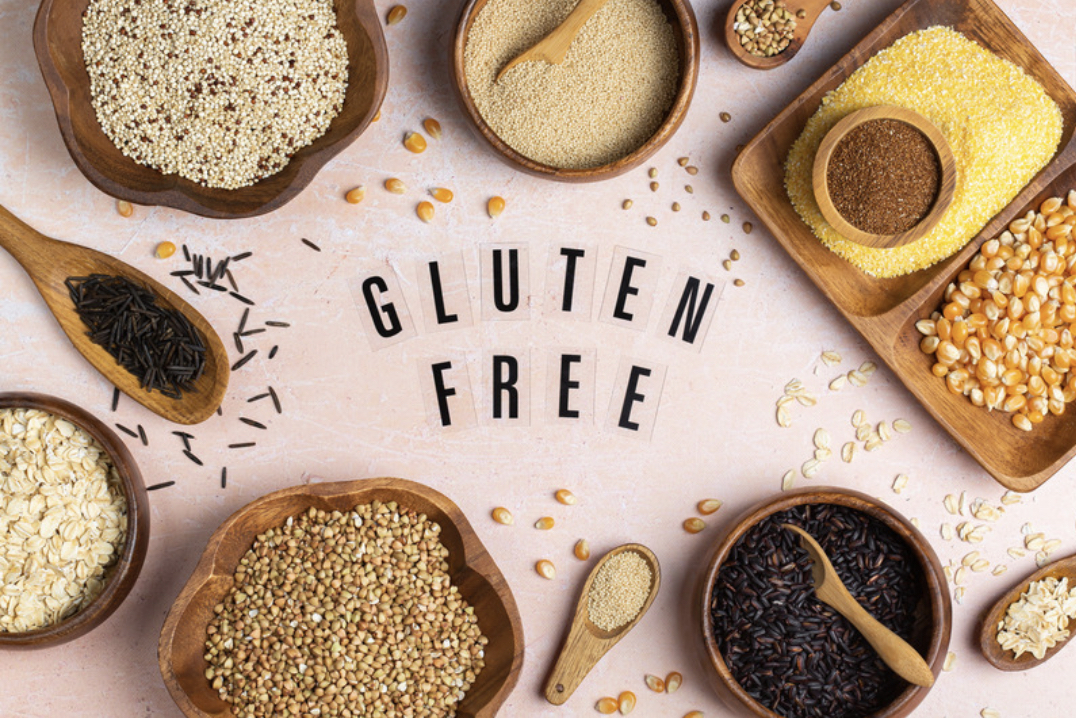
IS GLUTEN FREE DIET A GOOD CHOICE FOR EVERYONE?

In recent years, the popularity of gluten-free diets has soared, with many people adopting this dietary choice in pursuit of improved health and well-being.

While a gluten-free diet is essential for individuals with gluten sensitivity or celiac disease, the question remains: Is a gluten-free diet a good choice for everyone?

First, let’s clarify what gluten sensitivity is. Gluten sensitivity, also known as non-celiac gluten sensitivity (NCGS), is a condition where individuals experience adverse symptoms after consuming gluten-containing foods, but do not have celiac disease or a wheat allergy. 

Symptoms of NCGS can include digestive issues, fatigue, headaches, and mood disturbances.

Studies have shown that individuals with NCGS often experience symptom relief when following a gluten-free diet. 

Eliminating gluten can lead to reduced gastrointestinal distress, increased energy levels, and improved overall well-being for those with sensitivity.

Gluten consumption can trigger inflammation in the intestines of sensitive individuals. A gluten-free diet can help reduce this inflammation, potentially alleviating long-term health risks associated with chronic inflammation.

Managing symptoms of gluten sensitivity can significantly enhance an individual’s quality of life. Those with NCGS often report feeling better physically and mentally when they avoid gluten-containing foods.

People with celiac disease, a severe autoimmune disorder triggered by gluten, must adhere strictly to a gluten-free diet to prevent damage to their small intestine. This underscores the importance of avoiding even trace amounts of gluten.

While the benefits of a gluten-free diet for those with sensitivity are clear, it’s essential to recognize that a gluten-free diet is not recommended for everyone.

Gluten-free diets can be deficient in essential nutrients like fiber, B vitamins, and iron. Without careful planning, individuals may miss out on these nutrients, potentially harming their health.

Gluten-free products are often more expensive than their gluten-containing counterparts, making this diet choice financially burdensome for some individuals. Additionally, access to gluten-free options can be limited in certain areas.

Adopting a gluten-free diet can be socially isolating and emotionally challenging for some people. Dining out, attending social events, and enjoying traditional foods can become more complicated.

For those without gluten sensitivity, eliminating gluten from their diet may lead to unnecessary food restrictions and a reduced variety of foods, potentially limiting their nutritional intake.

In conclusion, a gluten-free diet is a necessary and beneficial choice for individuals with gluten sensitivity or celiac disease. 

Scientific evidence supports its effectiveness in improving symptoms and overall well-being for those with sensitivity. 

However, for individuals without these conditions, a gluten-free diet may not offer any significant health advantages and could even lead to nutritional deficiencies and other challenges. 

It is essential to make dietary choices based on individual health needs and consult a healthcare professional for guidance if you suspect gluten sensitivity.

Start your journey with the best trainers in Delhi

Categories
Fitness Nutrition

HOW STRONG CAN YOU GET WITHOUT STEROIDS?

Building strength and achieving a muscular physique is a goal many individuals aspire to. However, the use of steroids has tainted the world of fitness and bodybuilding, leading some to believe that extraordinary strength is only attainable with their help. 

In reality, you can make remarkable gains in strength without resorting to steroids. This article will explore the science-backed methods and principles behind natural strength development.

To comprehend how to build strength naturally, it’s crucial to understand the fundamentals of muscle growth. Muscle hypertrophy, the process by which muscles increase in size, primarily occurs through two mechanisms: muscle tension and metabolic stress.

To promote muscle growth, you must consistently challenge your muscles by increasing resistance or intensity during workouts.

Focus on compound exercises like squats, deadlifts, and bench presses, which engage multiple muscle groups and maximize tension.

Incorporate high-repetition sets (typically 8-12 reps) into your training to induce metabolic stress.

Slow down your repetitions, emphasizing the eccentric (muscle-lengthening) phase, to increase metabolic stress.

Nutrition plays a pivotal role in building strength naturally.

Adequate protein consumption is crucial for muscle repair and growth.Aim for at least 1.6 to 2.2 grams of protein per kilogram of body weight daily.

Consume a balanced diet rich in whole foods, including lean proteins, complex carbohydrates, and healthy fats.Prioritize nutrient-dense foods over processed ones.

To gain strength and muscle, you must be in a slight caloric surplus, providing your body with the energy it needs to build and repair tissues.

Recovery is as essential as training for natural strength development. Aim for 7-9 hours of quality sleep each night, as it is when most muscle repair and growth occur.

Incorporate rest days into your training routine to allow your muscles and central nervous system to recover fully.

Stay well-hydrated, as dehydration can hinder muscle function and recovery.

Building strength naturally is a long-term commitment. Patience and consistency are your allies. Stick to a well-structured training program tailored to your goals.

Monitor your progress and make adjustments as needed. Implement periodization, which involves cycling your training intensity and volume to avoid plateaus.

Overtraining can hinder progress. Listen to your body and allow for adequate recovery.

You can achieve significant strength gains without resorting to steroids by following these science-backed principles. 

Muscle growth primarily relies on progressive overload, metabolic stress, proper nutrition, recovery, and consistency. Natural strength development not only leads to impressive results but also promotes overall health and longevity. 

Remember, the journey to a stronger you is a marathon, not a sprint, so stay committed, stay natural, and unlock your true potential.

Start training with the best trainers in Delhi

Categories
Fitness Nutrition

UNLOCKING THE FOUNTAIN OF YOUTH

Aging is an inevitable part of life, but it doesn’t mean we have to accept a decline in health and vitality as we grow older. Scientists have identified a set of phenomena known as the “Hallmarks of Aging” that provide valuable insights into the mechanisms behind aging. 

What’s more, emerging research suggests that nutrition plays a pivotal role in influencing these hallmarks. In this article, we’ll explore the connection between aging and nutrition and how making informed dietary choices can help slow down the aging process.

Genomic instability, characterized by DNA damage and mutations, is a hallmark of aging. Antioxidants, found in foods like berries, dark leafy greens, and nuts, can help combat oxidative stress and protect your DNA. 

Incorporating these foods into your diet can contribute to genomic stability and overall cellular health.

Shortening telomeres are associated with cellular aging. Emerging research suggests that certain nutrients, like vitamin D and omega-3 fatty acids, may support telomere length and function. Fatty fish, fortified dairy products, and supplements can be valuable additions to your diet to address this hallmark.

Epigenetic changes impact gene expression and are influenced by diet. Folate, found in leafy greens and legumes, is crucial for DNA methylation, which regulates gene activity. By ensuring adequate folate intake, you can positively influence your epigenome.

Maintaining proper protein structure is essential for cellular health. Consuming high-quality protein sources like lean meats, poultry, fish, and plant-based options can support proteostasis. Additionally, curcumin, found in turmeric, has anti-inflammatory properties that may aid in protein homeostasis.

Caloric restriction, without malnutrition, has been linked to increased lifespan and improved health. By consuming nutrient-dense foods while avoiding excessive calories, you can activate pathways like mTOR and sirtuins that play a role in nutrient sensing and longevity.

Mitochondria are vital for energy production, and they are highly influenced by diet. A balanced intake of macronutrients, including carbohydrates, fats, and proteins, is essential for mitochondrial function. Additionally, coenzyme Q10 (CoQ10), found in foods like spinach and nuts, supports mitochondrial health.

Cellular senescence can lead to chronic inflammation. Some foods, like blueberries and green tea, contain compounds with senolytic properties, which may help remove senescent cells. 

A diet rich in anti-inflammatory foods, including fruits, vegetables, and spices like ginger and turmeric, can also mitigate inflammation.

Stem cell decline is a hallmark of aging. Nutrients like vitamin A, vitamin C, vitamin D, and zinc support stem cell maintenance and regeneration. Including a variety of colorful fruits and vegetables in your diet can provide these essential nutrients.

The gut microbiota plays a crucial role in intercellular communication. A diet rich in fiber and fermented foods nurtures a diverse and healthy gut microbiome, which can positively impact overall health and immune function.

Ultimately, the hallmarks of aging converge to affect tissue and organ function. A well-balanced diet that meets your nutritional needs is essential for maintaining the health of your entire body, from your heart to your brain.

In conclusion, the hallmarks of aging provide a framework for understanding the aging process, and nutrition is a powerful tool to address them. 

By making informed dietary choices and embracing a balanced, nutrient-rich diet, you can optimize your chances of aging gracefully, maintaining vitality, and enjoying a higher quality of life as the years go by. 

Remember, it’s never too early or too late to start nourishing your body for a healthier, more youthful future.

Start training with the best trainers in Delhi

Categories
Fitness Nutrition

SWEATING FOR FAT LOSS?


Sweating is a natural bodily function that occurs when our core temperature rises, typically during physical activity or in hot environments. Many people associate sweating with fat loss, believing that the more they sweat, the more fat they’re burning. 

However, this common misconception needs to be clarified. In this article, we’ll explore the relationship between sweating and fat loss and provide insights into achieving effective weight management.

Sweating is primarily a mechanism for regulating body temperature. When you exercise or encounter high temperatures, your body sweats to cool down. Sweat is primarily composed of water and electrolytes, such as sodium and potassium. 

While you might notice weight loss on the scale after a sweaty workout, this is mostly due to fluid loss, not fat loss. It’s essential to understand that this loss is temporary and can easily be regained through rehydration. 

Many individuals mistakenly believe that the amount they sweat directly correlates with the amount of fat they’re burning. This myth has led to misconceptions about what it takes to achieve real, sustainable fat loss. 

Sweating heavily during a workout may make you feel like you’re making progress, but it’s crucial to remember that fat loss primarily occurs through a sustained calorie deficit. 

This means you need to burn more calories than you consume over time to lose fat. Start with a well-balanced diet that includes a variety of nutrient-dense foods. 

Pay attention to portion sizes and aim for a calorie deficit by consuming fewer calories than your body needs.

Incorporate a mix of cardiovascular exercises (e.g., running, cycling) and strength training into your routine. Cardio burns calories during the activity, while strength training helps build muscle, which increases your resting metabolic rate.

Stay adequately hydrated before, during, and after exercise to optimize your performance and minimize the temporary weight loss associated with sweating. 

Consistency is key to achieving fat loss. Make sustainable lifestyle changes rather than relying on extreme diets or intense workouts that are difficult to maintain over the long term.

In summary, while sweating is a natural response to physical activity and heat, it should not be mistaken for fat loss. Sweating primarily involves the loss of water and electrolytes and does not equate to shedding fat. Effective fat loss requires a combination of a balanced diet, regular exercise, proper hydration, and consistency. 

Understanding these principles can help you achieve your weight management goals while dispelling the myth that sweating alone leads to lasting fat loss. So, the next time you break a sweat during a workout, remember that it’s your commitment to a healthy lifestyle that will ultimately bring you closer to your fat loss goals.

Categories
Fitness Nutrition

BREAKING THE FAT LOSS PLATEAU

Hitting a weight loss plateau can be frustrating, but it’s a common part of the journey to a healthier you. 

Fortunately, with the right strategies and mindset, you can break through that plateau and continue your progress towards your weight loss goals. 

One of the most common reasons for a weight loss plateau is that your body has adapted to your current calorie intake. To break through this barrier, consider reevaluating your daily caloric needs. 

Calculate your Basal Metabolic Rate (BMR) and adjust your calorie intake by reducing it slightly. This creates a calorie deficit, encouraging your body to burn stored fat for energy.

If you’ve been sticking to the same workout routine for a while, your body may have adapted to it, making it less effective. To overcome this, diversify your exercise regimen. 

Incorporate different types of workouts such as resistance training, cardiovascular exercises, and high-intensity interval training (HIIT). Changing things up challenges your muscles and can help rev up your metabolism.

Sometimes, it’s easy to underestimate the number of calories you’re consuming, which can lead to a plateau. Start keeping a detailed food journal to track everything you eat and drink. 

Pay attention to portion sizes and the quality of your food choices. This will give you a clearer picture of your daily calorie intake and help you identify areas where you can make healthier choices.

The balance of carbohydrates, proteins, and fats in your diet can impact your weight loss. Review your macronutrient ratios and ensure they align with your goals. 

Increasing protein intake can help with satiety and muscle preservation, while adjusting carbohydrate and fat ratios can provide more energy or promote fat burning, depending on your needs.

Lack of sleep can disrupt hormones that regulate hunger and appetite, making it harder to lose weight. Aim for 7-9 hours of quality sleep per night to support your weight loss efforts. 

Establish a bedtime routine and create a comfortable sleep environment to improve your sleep quality.

Stress can lead to emotional eating and weight gain, so it’s essential to manage stress effectively. Incorporate stress-reduction techniques such as meditation, deep breathing exercises, yoga, or hobbies you enjoy. 

Reducing stress can help you stay focused on your weight loss goals.

Proper hydration is crucial for overall health and can also aid in weight loss. Sometimes, thirst is mistaken for hunger. 

Make sure you’re drinking enough water throughout the day to stay hydrated and prevent unnecessary snacking.

Breaking through a weight loss plateau requires patience and persistence. By adjusting your calorie intake, diversifying your exercise routine, keeping track of your food intake, balancing your macronutrients, getting enough sleep, managing stress, and staying hydrated, you can overcome this temporary setback and continue your journey towards a healthier, happier you. 

Remember, consistency is key, and with the right strategies, you can achieve your weight loss goals.

Start training with the best trainers in Delhi