Oddsfitness

Personal Fitness and Strength Trainer at Home in Delhi NCR
Categories
Fitness Nutrition

ARE ZERO CALORIE SWEETNERS THE ULTIMATE SOLUTION FOR LOSING WEIGHT WITHOUT SACRIFICING YOUR TASTE BUDS?

When it comes to weight loss, finding a balance between enjoying the sweet taste we love and reducing calorie intake can be a challenge. 

Fortunately, zero-calorie sweeteners have emerged as a popular option for those seeking to shed pounds while still satisfying their sweet tooth. 

These low-calorie or calorie-free alternatives offer the sweetness we crave without the added calories of traditional sugar.

Zero-calorie sweeteners, also known as sugar substitutes or artificial sweeteners, are substances that provide a sweet taste without the significant calorie content found in regular sugar. 

These sweeteners can be naturally derived or synthetically produced and are commonly used as sugar alternatives in beverages, baked goods, and other food products. 

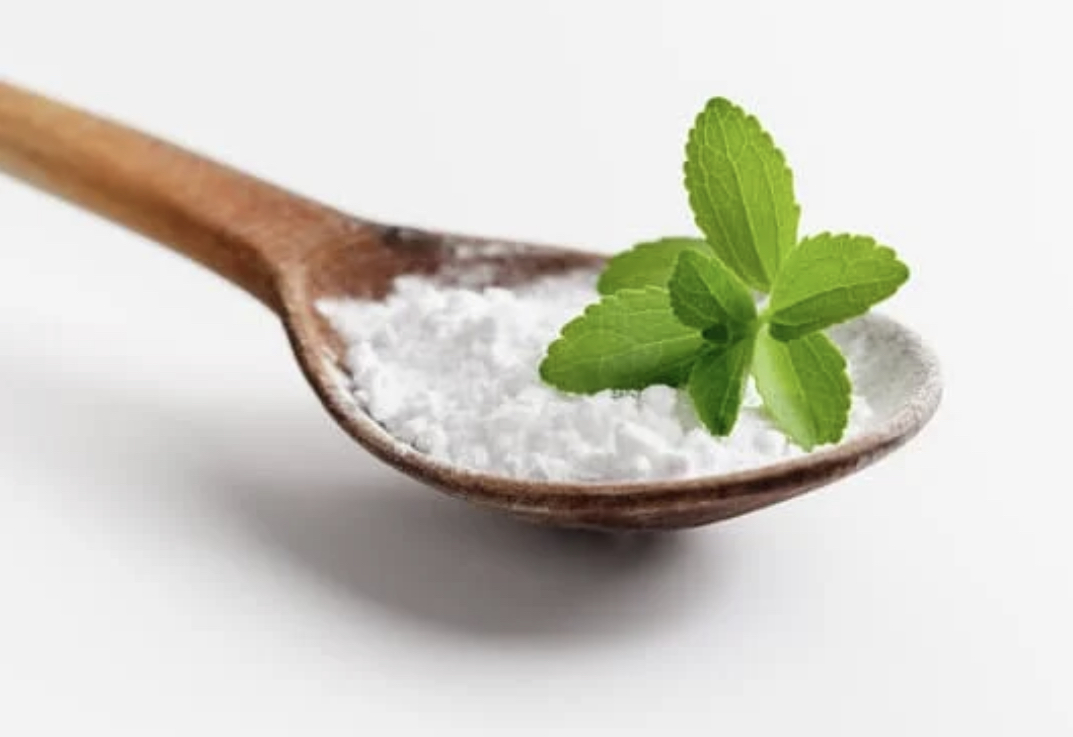
Some of the most commonly used zero-calorie sweeteners include aspartame, saccharin, sucralose, and stevia.

One of the primary advantages of zero-calorie sweeteners is their ability to reduce calorie intake without sacrificing sweetness. 

By substituting sugar with these sweeteners, individuals can enjoy their favorite foods and beverages without the guilt associated with excess calories. This reduction in caloric intake is essential for achieving and maintaining a healthy weight.

Zero-calorie sweeteners do not raise blood sugar levels, making them suitable for people with diabetes or those who need to monitor their blood glucose levels. 

Unlike sugar, which causes a rapid spike in blood sugar, these sweeteners can be safely consumed without adversely affecting insulin levels.

The intense sweetness provided by zero-calorie sweeteners can help satisfy sugar cravings without the corresponding calorie intake. By using these sweeteners, individuals can manage their desire for sugary foods, making it easier to adhere to a calorie-controlled diet.

Zero-calorie sweeteners offer versatility in terms of their use in various food and beverage products. They can be easily incorporated into a wide range of recipes, allowing individuals to enjoy a variety of flavors without the added calories.

Once weight loss goals are achieved, zero-calorie sweeteners can help with weight maintenance. By replacing high-calorie sugar with these alternatives, individuals can continue to enjoy the sweet taste they love while keeping their calorie intake in check.

While zero-calorie sweeteners offer numerous benefits for weight loss, it is important to consider some potential drawbacks and factors to keep in mind:

Zero-calorie sweeteners may have a slightly different taste compared to sugar. Some individuals may find the taste less satisfying or detect a mild aftertaste, especially when used in larger quantities. 

However, taste preferences can vary, and many people find these sweeteners to be a suitable replacement for sugar.

 Some studies suggest that consuming zero-calorie sweeteners may lead to an increased desire for sweeter foods, potentially undermining weight loss efforts. However, more research is needed to fully understand the psychological impact of these sweeteners on appetite and food preferences.

While generally recognized as safe by regulatory bodies, some individuals may experience digestive discomfort or other side effects when consuming zero-calorie sweeteners. It is advisable to monitor personal reactions and consult a healthcare professional if any adverse effects occur.

Despite being low in calories or calorie-free, it is important to consume zero-calorie sweeteners in moderation. Overindulging in artificially sweetened products can still lead to an excessive intake of other unhealthy ingredients, such as fats or processed carbohydrates. A well-rounded, balanced diet is crucial for overall health and weight management.

Zero-calorie sweeteners offer an appealing solution for individuals striving to lose weight while enjoying the sweetness they crave. These sugar substitutes provide a way to reduce calorie intake, manage blood sugar levels, and control sugar cravings. 

While potential drawbacks and individual sensitivities exist, when used in moderation, zero-calorie sweeteners can be an effective tool in achieving and maintaining a healthy weight. 

As with any dietary change, it is essential to consider personal preferences and consult with healthcare professionals for personalized advice. 

So, if you’re looking to trim down your waistline without giving up your favorite sweet treats, zero-calorie sweeteners may just be the sweet solution you’ve been searching for.

Categories
Fitness Nutrition

IS BEING FIT REALLY THAT EXPENSIVE?


In today’s fast-paced world, maintaining a healthy lifestyle has become increasingly important. 

Many people associate being fit with hefty price tags, assuming that it requires expensive gym memberships, fancy equipment, and organic groceries. 

However, in this blog, we will explore the question: “Is being fit really that expensive?” We will debunk common myths surrounding fitness expenses and shed light on affordable ways to stay in shape. Let’s dive in!

Gym memberships are often considered the go-to option for fitness enthusiasts. While it’s true that some gyms can be quite costly, there are alternatives that won’t break the bank. 

Many community centers, local parks, and even workplaces offer free or low-cost fitness facilities and classes. 

Additionally, home workouts have gained popularity with the rise of online fitness programs and mobile applications, offering convenience and affordability for those seeking to exercise on a budget.

The perception that you need to invest heavily in exercise equipment to get fit is another common misconception. 

While having access to a variety of equipment can enhance your workout experience, it’s not a prerequisite for fitness. 

Simple, inexpensive items like resistance bands, stability balls, or jump ropes can provide effective workouts. 

Moreover, bodyweight exercises, such as push-ups, squats, and planks, require no equipment at all and can be done anywhere, anytime.

The notion that healthy eating is costly is often used as an excuse for poor dietary choices. However, with a little planning and smart shopping, maintaining a nutritious diet can be affordable. 

Firstly, focusing on whole foods like fruits, vegetables, whole grains, and lean proteins is key. These items are often less expensive than processed or packaged foods. 

Additionally, buying in bulk, taking advantage of sales, and meal prepping can save money in the long run. Finally, growing your own produce, even if it’s just herbs or small vegetables, can be a cost-effective way to incorporate fresh ingredients into your meals.

The internet is a treasure trove of free resources that can support your fitness journey. Countless fitness websites, blogs, and YouTube channels provide valuable workout routines, healthy recipes, and expert advice at no cost. 

Social media platforms like Instagram and Twitter are also filled with fitness influencers and trainers who share their knowledge and motivation. 

Furthermore, local libraries often have a wide selection of fitness-related books and DVDs available for borrowing, allowing you to explore different exercise modalities without spending a dime.

Nature offers an array of opportunities for physical activity that won’t cost you a penny. Hiking, cycling, running, or simply walking in your local park are all fantastic ways to stay fit while enjoying the great outdoors. 

Many communities organize free or low-cost fitness events, such as charity walks, group workouts, or sports tournaments, encouraging people to engage in physical activity and connect with like-minded individuals. 

These activities not only promote fitness but also foster a sense of community and social well-being.

When considering the cost of fitness, it’s important to factor in the cost of inactivity. Leading a sedentary lifestyle can lead to a wide range of health issues, including obesity, heart disease, and mental health disorders, which can result in significant medical expenses. 

By investing time and effort in maintaining a fit lifestyle, individuals can potentially save money on healthcare costs in the long run.

While the fitness industry may seem saturated with expensive options, being fit does not have to drain your bank account. 

By debunking the myths surrounding fitness expenses and exploring affordable alternatives, we have shown that being fit is within reach for everyone. 

From exploring free workout resources to utilizing outdoor spaces and engaging with community activities, there are countless ways to stay fit without breaking the bank. 

So, let go of the notion that being fit is exclusively for the affluent, and embrace the affordability and accessibility of a healthy lifestyle. Remember, your well-being is priceless.

Categories
Fitness Nutrition

CREATINE AND RENAL IMPAIRMENT

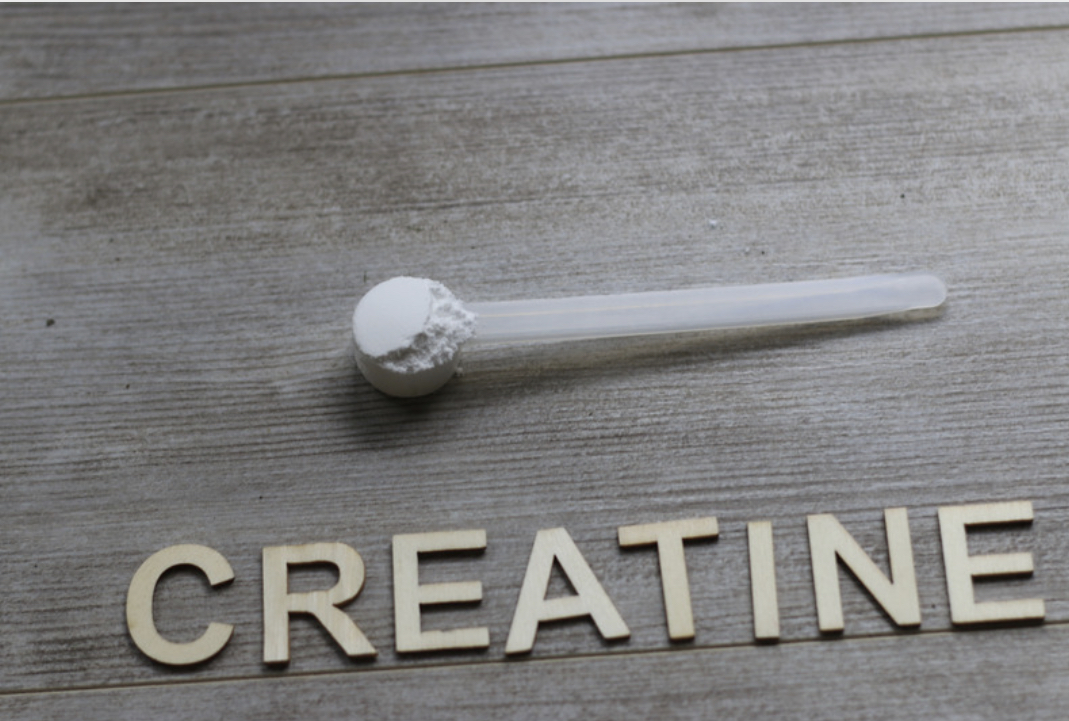
Creatine is a popular dietary supplement known for its potential to enhance athletic performance and promote muscle growth. 

However, there have been concerns and misconceptions surrounding the impact of creatine consumption on kidney health.

Before exploring the potential effects of creatine on the kidneys, it is essential to understand what creatine is and how it functions in the body. 

Creatine is a naturally occurring compound found in small amounts in certain foods like meat and fish. It plays a vital role in providing energy for muscular contractions, particularly during high-intensity activities.

When creatine is consumed, it is converted into creatine phosphate and stored in the muscles. During exercise, the creatine phosphate is broken down, releasing energy to fuel muscle contractions. 

This mechanism explains why creatine supplements have gained popularity among athletes and fitness enthusiasts.

One of the primary concerns associated with creatine consumption is its potential impact on kidney health. Some critics argue that excessive creatine intake could strain the kidneys, leading to renal damage or dysfunction. 

However, scientific research does not support these claims.

Numerous studies have investigated the effects of creatine supplementation on renal function, and the results consistently demonstrate that creatine does not pose a significant risk to kidney health in healthy individuals. 

For instance, a comprehensive review published in the Journal of the International Society of Sports Nutrition analyzed multiple studies and concluded that short-term creatine supplementation has no adverse effects on kidney function.

Moreover, a study published in the Clinical Journal of Sports Medicine evaluated the long-term effects of creatine supplementation in athletes. 

The researchers found no significant changes in kidney function after one year of creatine use. These findings align with the general consensus in the scientific community that creatine does not harm the kidneys when used within recommended dosages.

In fact, creatine might have potential benefits for individuals with certain kidney conditions. Research suggests that creatine supplementation could be beneficial for individuals with kidney disease, specifically those undergoing hemodialysis. 

Creatine has been shown to improve muscle strength, exercise capacity, and quality of life in these patients.

While creatine is generally considered safe for most individuals, it is important to use the supplement responsibly and adhere to recommended guidelines.

Adequate hydration is crucial when supplementing with creatine. Drinking plenty of water helps maintain kidney function and prevent potential issues.

Stick to the recommended dosages provided by reputable sources, such as the International Society of Sports Nutrition (ISSN). The standard dosage for most individuals is 3-5 grams per day.

Excessive consumption of creatine may lead to gastrointestinal discomfort or bloating. It is unnecessary and could put unnecessary stress on the kidneys.

If you have pre-existing kidney conditions or any concerns, consult with a healthcare professional before starting creatine supplementation.

In summary, consuming creatine within recommended dosages does not appear to have adverse effects on kidney health in healthy individuals. Numerous scientific studies have consistently shown that short-term and long-term creatine supplementation does not pose a significant risk to renal function. 

However, it is essential to use creatine responsibly, adhere to recommended guidelines, and consult a healthcare professional if you have any pre-existing kidney

Categories
Fitness Nutrition

DO YOU REALLY NEED TO HAVE MULTIPLE MEALS A DAY FOR LOSING FAT?

The age-old debate regarding meal frequency and its impact on health and weight management continues to capture the curiosity of individuals seeking to optimize their dietary habits.

On one side, proponents argue in favor of consuming multiple small meals throughout the day, while on the other, advocates for 2-3 larger meals claim various benefits.

Boosting Metabolism Multiple small meals proponents argue that eating frequently can increase the body’s metabolic rate.

This is known as the thermic effect of food (TEF), which refers to the energy expenditure required to digest, absorb, and process nutrients. The theory suggests that by eating smaller meals more often, the TEF remains elevated throughout the day, leading to a higher total energy expenditure.

Another potential advantage of consuming multiple small meals is the ability to regulate blood sugar and insulin levels. Frequent meals can help prevent blood sugar spikes and subsequent crashes, providing a steady supply of energy throughout the day. This approach may be particularly beneficial for individuals with diabetes or those prone to blood sugar imbalances.

Sustaining Satiety Supporters of frequent meals argue that consuming smaller portions more often can help keep hunger at bay.

By providing the body with a steady stream of nutrients, individuals may experience reduced cravings and a more regulated appetite. This can contribute to better portion control and less overeating, potentially aiding weight management efforts

Proponents of consuming 2-3 larger meals suggest that this approach promotes higher levels of fat oxidation.

By allowing longer periods of fasting between meals, the body taps into its fat stores for energy, potentially aiding weight loss and body composition goals. This is often associated with intermittent fasting practices.


Eating larger meals less frequently may provide the digestive system with longer periods of rest between meals.

This can allow for more efficient digestion and absorption of nutrients, reducing the strain on the gastrointestinal tract. Some individuals find that this approach minimizes digestive discomfort and bloating.

For individuals with busy schedules or those who prefer fewer eating occasions, the simplicity and convenience of consuming 2-3 big meals can be appealing.

Planning, preparing, and tracking fewer meals may be easier and less time-consuming, making it a practical choice for some individuals.

When it comes to meal frequency, personal preference and lifestyle play a crucial role. Some individuals naturally gravitate towards smaller, more frequent meals, while others feel more satisfied with larger, less frequent meals.

Choosing an approach that aligns with personal preferences can enhance adherence and long-term success.

Individuals with higher energy requirements or specific fitness goals may need to tailor their meal frequency accordingly.

Athletes and those seeking muscle gain may benefit from a higher calorie intake spread across multiple meals, while individuals aiming for weight loss might find intermittent fasting or larger, less frequent meals more effective.

Individual Metabolic Response Metabolic response to meal frequency can vary among individuals. Factors such as age, genetics, body composition, and hormonal balance can influence how the body responds to different eating patterns.

Experimenting with both approaches and monitoring individual responses can help determine the most suitable meal frequency for each person.

In the debate between multiple small meals versus 2-3 big meals, there is no definitive answer that suits everyone. Both approaches have their potential advantages and drawbacks, and the choice ultimately depends on individual factors, preferences, and goals.

It’s essential to consider your own lifestyle, energy requirements, metabolic response, and overall well-being when deciding which meal frequency suits you best.

Remember, nutrition is highly individual, and finding an approach that you can maintain consistently is key to achieving a balanced and sustainable dietary pattern.

Categories
Fitness Nutrition

NURTURING A HEALTHIER MICROBIOME FOR A HEALTHIER BRAIN


The human body is an intricately interconnected system, where various organs and processes work in harmony to maintain overall health and well-being. 

In recent years, researchers have uncovered a fascinating link between the gut and the brain, revealing that the health of our gut microbiome plays a crucial role in the functioning of our brain. 

This connection, known as the gut-brain axis, has significant implications for our mental and cognitive well-being.

We will delve into the factors that influence the gut-brain axis, examine the impact of an unhealthy microbiome on brain function, and discuss practical strategies to nurture a healthier microbiome for a healthier brain.

The gut-brain axis is a bidirectional communication network connecting the central nervous system (CNS) and the enteric nervous system (ENS) of the gut. 

This connection allows for constant communication between the gut and the brain through various pathways, including the vagus nerve, immune system, and the production of neurotransmitters.

The gut microbiome, consisting of trillions of microorganisms, including bacteria, viruses, and fungi, plays a vital role in this communication. 

The diversity and composition of the microbiome have a profound impact on the production of neurotransmitters, such as serotonin and dopamine, which regulate mood, cognition, and behavior.

Several factors influence the composition and diversity of the gut microbiome. These include the following

A diet rich in whole foods, fiber, and fermented foods promotes a diverse and healthy microbiome. On the other hand, a diet high in processed foods, sugar, and unhealthy fats can disrupt the balance of gut bacteria.

While antibiotics can be life-saving, their overuse can indiscriminately wipe out both harmful and beneficial bacteria, leading to an imbalance in the microbiome.

Chronic stress affects the gut-brain axis, leading to alterations in gut permeability and microbial composition.

Disrupted sleep patterns can influence the gut microbiome, affecting its diversity and function.

Regular physical activity has been linked to a more diverse and beneficial microbiome.

Research has increasingly demonstrated the profound influence of the gut microbiome on brain health. An unhealthy microbiome has been associated with various neurological conditions as well. 

Alterations in the gut microbiome have been observed in individuals with depression and anxiety disorders. 

The dysregulation of neurotransmitters, inflammation, and impaired gut permeability are potential mechanisms linking an unhealthy microbiome to mental health disorders.

Studies have shown a potential link between the gut microbiome and the development of Alzheimer’s disease. Imbalances in gut bacteria can contribute to the production of amyloid plaques, a hallmark of this neurodegenerative condition.

Emerging evidence suggests a connection between the gut microbiome and ASD. Altered gut microbial composition and increased intestinal permeability may contribute to the behavioral and cognitive symptoms associated with ASD.

Categories
Fitness Nutrition

ARE YOU INTOLERANT OF CARBOHYDRATES?

Carbohydrates are an essential macronutrient that provides energy to our bodies. However, some individuals may experience intolerance or difficulty digesting carbohydrates.

Carbohydrate intolerance refers to the inability of the body to properly digest certain carbohydrates. This can be due to various factors, such as enzyme deficiencies, sensitivity to specific carbohydrates, or conditions like irritable bowel syndrome (IBS) or celiac disease.

Symptoms of carbohydrate intolerance may include bloating, gas, abdominal pain, diarrhea, and fatigue.

To better manage carbohydrate intake, it is crucial to identify the specific type of intolerance. The most common types include lactose intolerance, fructose intolerance, and gluten intolerance.

Lactose intolerance occurs when the body lacks the enzyme lactase to break down lactose in dairy products. Fructose intolerance results from an inability to absorb fructose in the small intestine. Gluten intolerance, commonly known as celiac disease, is an autoimmune disorder triggered by gluten consumption.

If you suspect carbohydrate intolerance, it is essential to consult with a healthcare professional. They can perform diagnostic tests and help you determine the specific type and severity of your intolerance. This will allow for personalized guidance and management strategies tailored to your needs.

Keep a food diary to identify which carbohydrates trigger symptoms. This will help you eliminate or reduce specific sources from your diet.

The low-FODMAP (fermentable oligosaccharides, disaccharides, monosaccharides, and polyols) diet is an evidence-based approach for managing carbohydrate intolerance. It involves avoiding or limiting certain carbohydrates that are poorly absorbed and rapidly fermented in the gut, leading to symptoms. Working with a registered dietitian experienced in the low-FODMAP diet is recommended.

Replace high-carbohydrate foods with alternatives that are well-tolerated. For example, individuals with lactose intolerance can try lactose-free dairy products or opt for lactose-free milk substitutes like almond or soy milk.

Modifying the amount and timing of carbohydrate consumption can help manage symptoms. Spreading out carbohydrate intake throughout the day and consuming smaller portions at each meal can improve digestion.

Certain cooking methods can make carbohydrates more easily digestible. For example, steaming or boiling vegetables can break down complex carbohydrates, making them gentler on the digestive system.

Digestive enzyme supplements may aid in the breakdown of carbohydrates. Consult with a healthcare professional to determine if enzyme supplements are suitable for you and to identify the appropriate type and dosage.

Stress can exacerbate symptoms of carbohydrate intolerance. Engaging in stress-reducing activities such as exercise, meditation, and adequate sleep can help manage symptoms.

Carbohydrate intolerance does not mean completely eliminating carbohydrates from your diet. By understanding your specific intolerance, consulting with healthcare professionals, and making strategic dietary modifications, you can effectively manage symptoms and still enjoy a well-rounded and satisfying diet.

Start coaching under the best trainers in Delhi.

Categories
Fitness Nutrition

BENEFITS OF COLD EXPOSURE ON OUR HEALTH


In our quest for optimal health, we often focus on exercise, nutrition, and lifestyle choices. However, one often overlooked factor with tremendous potential is cold exposure.

While we typically associate cold weather with discomfort, research suggests that controlled exposure to cold temperatures can have profound effects on our physical and mental well-being.

Cold exposure refers to intentional exposure of the body to cold temperatures for a specific duration. It can be achieved through various methods such as cold showers, ice baths, cryotherapy, winter swimming, or even outdoor activities in cold weather.

When we expose ourselves to cold temperatures, our body initiates a series of physiological responses aimed at maintaining core body temperature and adapting to the challenging conditions.

One of the most significant benefits of cold exposure is its positive impact on the immune system. Research has shown that cold exposure can increase the production of white blood cells, enhancing the body’s ability to fight off infections and diseases.

Regular exposure to cold temperatures has also been linked to an increase in immune system activity and the release of beneficial cytokines, which can reduce inflammation and promote overall immune health.

Cold exposure can have a profound effect on our circulatory system, improving blood flow and cardiovascular health.

When exposed to cold, our blood vessels constrict, directing blood flow to vital organs and increasing blood pressure. This process, known as vasoconstriction, helps improve circulation and ensures that oxygen and nutrients reach the tissues more efficiently.

Over time, this can lead to improved cardiovascular function and a reduced risk of conditions such as hypertension and heart disease.

Cold exposure has gained popularity among athletes and fitness enthusiasts due to its potential to enhance performance and aid in post-workout recovery. Cold therapy, such as ice baths or cryotherapy, can help reduce inflammation, relieve muscle soreness, and speed up the recovery process.

Additionally, exposure to cold temperatures has been shown to increase endurance, improve focus, and boost overall athletic performance.

Cold exposure can have a significant impact on our metabolism and weight management. When exposed to cold temperatures, our body works harder to maintain its core temperature, resulting in an increase in metabolic rate and the activation of brown fat.

Brown fat, unlike white fat, burns calories to generate heat. Regular cold exposure has been associated with increased brown fat activity, which may aid in weight loss and help maintain a healthy body composition.

Cold exposure also has remarkable benefits for our mental well-being. Cold showers or immersions in cold water have been found to activate the sympathetic nervous system, leading to the release of endorphins, dopamine, and serotonin—chemicals that play a crucial role in regulating mood and reducing stress. Cold exposure has also been linked to improved resilience, increased focus, and enhanced mental clarity.

While cold exposure can offer numerous health benefits, it is essential to approach it with caution and consider individual limitations. It is advisable to start with gradual exposure and consult with a healthcare professional if you have any underlying health conditions. Moreover, maintaining hydration, avoiding prolonged exposure, and ensuring appropriate warming techniques after cold exposure are essential to prevent adverse effects.

Categories
Fitness Nutrition

WHICH IS THE HEALTHIEST DIET?

The healthiest diet is a subject of much discussion and debate within the field of nutrition.

While there is no one-size-fits-all approach, several principles can guide us toward making healthier choices and achieving optimal well-being. Here are five key points to consider when it comes to defining the healthiest diet

A healthy diet emphasizes balance and includes a variety of nutrient-dense foods. This means consuming a range of fruits, vegetables, whole grains, lean proteins, and healthy fats. These foods provide essential vitamins, minerals, fiber, and antioxidants that support overall health and reduce the risk of chronic diseases.

The healthiest diet focuses on whole, unprocessed or minimally processed foods. These foods are typically lower in added sugars, unhealthy fats, and sodium, while being rich in essential nutrients.

By choosing whole foods, such as fresh produce, whole grains, and lean proteins, you can optimize your nutrient intake and avoid the potential negative health effects associated with heavily processed foods.

The healthiest diet is also personalized to meet individual nutritional needs and preferences. Factors like age, sex, activity level, and underlying health conditions play a role in determining specific dietary requirements.

Consulting with a healthcare professional or registered dietitian can help you design a diet plan that is tailored to your unique needs and goals.

Maintaining a healthy diet involves practicing moderation and portion control. While it’s important to include a variety of foods, it’s also essential to be mindful of portion sizes.

Moderation helps prevent overeating and allows you to enjoy a wide range of foods without feeling deprived.

Balancing your energy intake with physical activity is crucial for weight management and overall health.

The healthiest diet is one that you can sustain in the long term and find enjoyable. It should not be a restrictive or overly rigid eating plan that causes stress or anxiety.

Finding a balance between healthy choices and occasional indulgences is key. Flexibility and listening to your body’s hunger and fullness cues can contribute to a positive relationship with food and promote overall well-being.

In conclusion, the healthiest diet is a balanced and personalized approach that prioritizes whole, unprocessed foods, portion control, and moderation.

By incorporating a variety of nutrient-dense foods and listening to your body’s needs, you can nourish yourself in a way that supports optimal health and well-being.

Remember, it’s important to consult with a healthcare professional or registered dietitian to develop a diet plan that is tailored to your specific needs and goals.

Categories
Fitness Nutrition

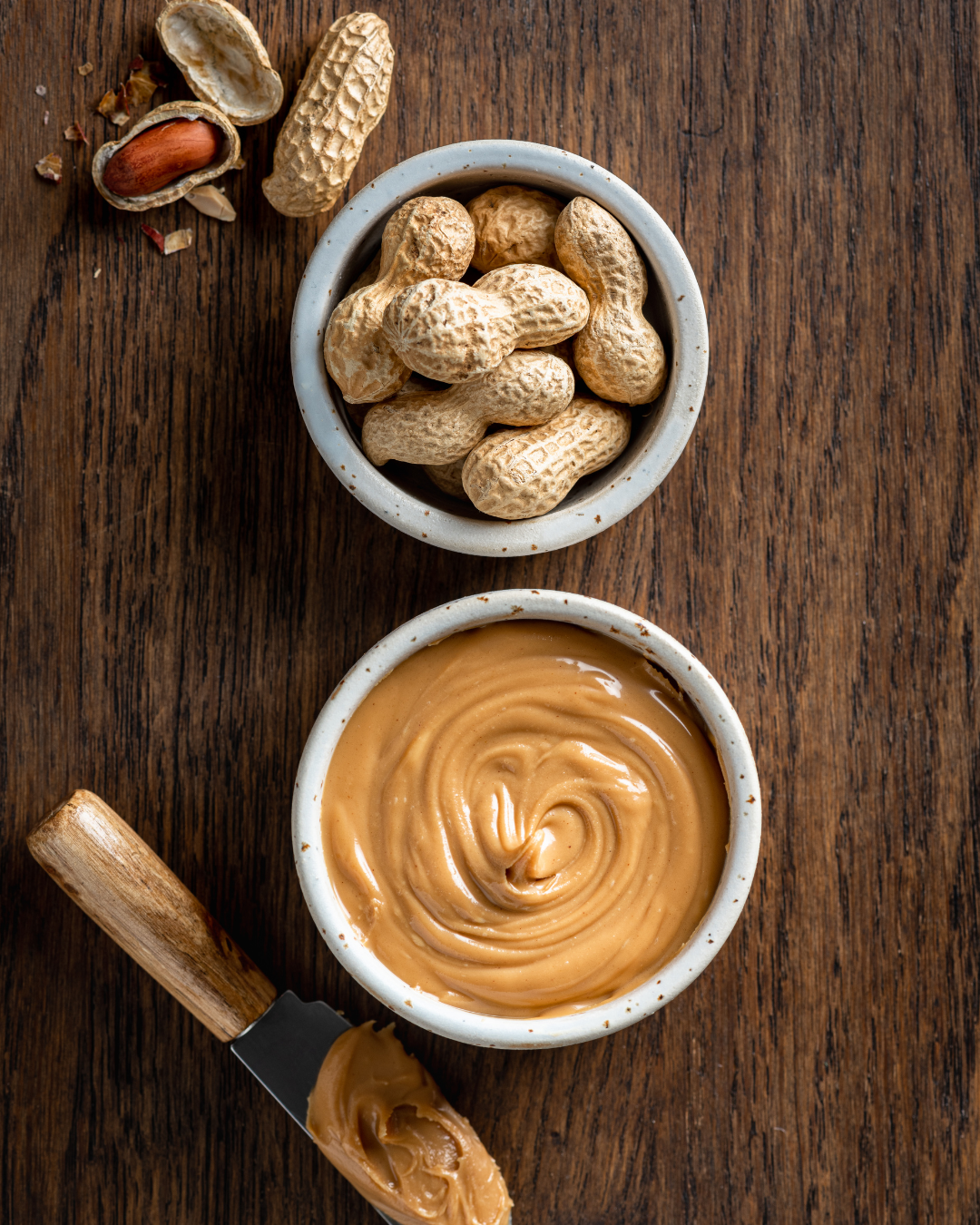
PEANUT BUTTER IS HOLDING YOU BACK FROM YOUR GOALS

Peanut butter has long been a beloved pantry staple for many, providing a tasty and versatile addition to meals and snacks. However, when it comes to pursuing fitness goals, whether it’s weight loss, muscle gain, or general health improvement, it’s crucial to make informed dietary choices.

One of the primary reasons why peanut butter might hinder your fitness goals is its high calorie density. While it can be an excellent source of healthy fats and protein, it’s also incredibly calorie-dense.

Just two tablespoons of peanut butter can contain around 200 calories. When aiming for weight loss or a calorie deficit, the calories in peanut butter can add up quickly and potentially hinder your progress.

Portion control is crucial when it comes to achieving fitness goals. Unfortunately, peanut butter can be challenging to measure accurately due to its sticky nature.

It’s easy to exceed the recommended portion size, leading to unintended calorie surplus and hindered progress. Overconsumption of peanut butter can derail weight loss efforts and even result in weight gain.

While peanut butter is often touted for its healthy fats, it’s important to remember that fat contains more than double the calories per gram compared to protein or carbohydrates.

Although these fats can be beneficial in moderation, consuming excessive amounts of peanut butter can easily lead to consuming excess calories, which can hinder your fitness goals.

Peanut allergies are relatively common, affecting approximately 1-2% of the population. For individuals with peanut allergies, consuming peanut butter can lead to severe allergic reactions. If you have a known peanut allergy, it’s essential to avoid peanut butter entirely to prioritize your health and well-being.

While peanut butter does contain healthy fats, it is worth noting that it is particularly high in omega-6 fatty acids. While omega-6 fatty acids are essential for the body, an imbalance between omega-6 and omega-3 fatty acids can contribute to inflammation.

Many Western diets are already abundant in omega-6 fatty acids, and excessive consumption of peanut butter may exacerbate this imbalance.

Commercial peanut butter often contains additional ingredients, such as hydrogenated oils, added sugars, and salt, which may compromise its nutritional value.

These additives can increase the calorie content and contribute to health issues such as weight gain and high blood pressure. Moreover, some peanut butter brands may process their products in facilities that handle other allergens, increasing the risk of cross-contamination for individuals with allergies.

For some individuals, peanuts and peanut butter can pose challenges to digestive health. They contain phytic acid and enzyme inhibitors, which can impair the absorption of minerals and enzymes in the body. Additionally, the high fat and fiber content in peanut butter can lead to digestive discomfort, especially for those with sensitive digestive systems.

While peanut butter can be a delicious and nutritious food for some, it may not be suitable for everyone, particularly for those with specific fitness goals. When it comes to pursuing weight loss, muscle gain, or overall health improvement, it’s essential to evaluate your dietary choices carefully.

    Categories
    Fitness Nutrition

    LEVERAGING DOPAMINE FOR SUCCESS

    In the fast-paced world we live in today, it’s no secret that we often find ourselves seeking ways to boost our mood, increase motivation, and improve productivity. 

    While there are various strategies and techniques to achieve these goals, one crucial neurochemical in our brains plays a significant role in our well-being and success: dopamine. 

    Dopamine is often associated with pleasure and reward, but its functions go beyond that. In this blog post, we will explore the science behind dopamine, its impact on our lives, and effective ways to leverage good dopamine levels for enhanced well-being and productivity.

    Dopamine is a neurotransmitter, a chemical messenger in the brain that plays a crucial role in various cognitive functions, including motivation, reward, pleasure, and learning. 

    It is produced in several regions of the brain, particularly the substantia nigra and the ventral tegmental area. Dopamine is involved in the brain’s reward system, reinforcing behaviors that are pleasurable or rewarding.

    Dopamine acts as a key player in our motivation and goal-directed behaviors. It helps create a sense of purpose, drive, and ambition. When dopamine levels are balanced and optimal, we experience a natural inclination to pursue our goals and stay focused.

    Dopamine is closely linked to the brain’s reward pathway. It is released when we experience something pleasurable, reinforcing the behavior and motivating us to seek similar rewards in the future. 

    This mechanism drives us to engage in activities that bring us joy and satisfaction.

    Dopamine plays a vital role in our ability to learn and remember. 

    It helps in the formation of memories by strengthening the connections between neurons. This is why rewarding experiences are often more memorable and easier to recall.

    Dopamine influences our overall mood and emotional well-being. Low levels of dopamine are associated with conditions like depression, while high levels are linked to mania and impulsivity. Maintaining a balanced dopamine level is crucial for emotional stability.

    Leveraging Good Dopamine Levels

    Now that we understand the importance of dopamine in our lives, let’s explore effective strategies to leverage good dopamine levels for enhanced well-being and productivity.

    Dopamine thrives on a sense of purpose and achievement. Setting specific, measurable, achievable, relevant, and time-bound (SMART) goals can trigger dopamine release as you work towards achieving them. 

    Break down larger goals into smaller milestones to create a sense of accomplishment along the way. Social interactions can have a significant impact on our dopamine levels. 

    Surround yourself with supportive and positive individuals who inspire and motivate you. Engaging in meaningful conversations and nurturing relationships can boost dopamine release and enhance well-being.

    Regular physical exercise is known to increase dopamine levels in the brain. 

    Engaging in activities like running, cycling, or dancing releases endorphins and dopamine, promoting a sense of well-being and reducing stress. Aim for at least 30 minutes of moderate exercise daily to reap the benefits.

    Mindfulness and meditation techniques have been shown to increase dopamine levels and improve emotional well-being. 

    These practices help calm the mind, reduce stress, and enhance focus. Incorporate mindfulness exercises into your daily routine, such as deep breathing, body scans, or guided meditation.

    Engaging in activities that bring you joy and passion naturally boosts dopamine levels. Identify hobbies or creative outlets that resonate with you, whether it’s playing an instrument, painting, writing, or gardening.