
Reactive hypoglycemia is a condition characterized by low blood sugar levels that occur within a few hours after a meal or, in some cases, after an extended period of fasting.
Reactive hypoglycemia refers to a sudden drop in blood sugar levels that occurs after consuming a meal or during periods of fasting. It is often attributed to an exaggerated insulin response triggered by the ingestion of carbohydrates.
When we eat, our body breaks down carbohydrates into glucose, which enters the bloodstream and triggers the release of insulin from the pancreas. Insulin helps shuttle glucose into cells, where it is used for energy production.
However, in individuals with reactive hypoglycemia, the insulin response is excessive, leading to an overcorrection and subsequent drop in blood sugar levels.
Reactive hypoglycemia is commonly associated with the consumption of meals high in simple carbohydrates, such as refined sugars and processed foods. These foods cause a rapid rise in blood glucose levels, leading to an exaggerated insulin response and subsequent hypoglycemia.
Fasting for extended periods can also trigger reactive hypoglycemia. When the body is deprived of food, it relies on stored glycogen and fat reserves for energy. In some individuals, the liver releases excessive amounts of glucose into the bloodstream during fasting, leading to a subsequent surge of insulin and subsequent hypoglycemia.
Certain hormonal imbalances, such as an overproduction of insulin or deficiencies in glucagon (a hormone that helps raise blood sugar levels), can contribute to reactive hypoglycemia.
Certain medications, such as those used to treat diabetes or autoimmune disorders, can increase the risk of reactive hypoglycemia. Additionally, medical conditions such as adrenal insufficiency, liver disease, or pancreatic tumors may also play a role.
Opt for meals that include a balance of complex carbohydrates, proteins, and healthy fats. This combination slows down the digestion and absorption of carbohydrates, leading to a more gradual and stable release of glucose into the bloodstream.
Instead of consuming large meals, divide your daily caloric intake into smaller, more frequent meals and snacks. This approach helps maintain steady blood sugar levels throughout the day.
Including high-fiber foods like whole grains, legumes, and vegetables in your diet can help regulate blood sugar levels and prevent rapid spikes and subsequent drops.
Minimize your consumption of sugary beverages, processed foods, and sweets, as these can cause rapid fluctuations in blood sugar levels.
Pairing carbohydrates with protein-rich snacks can help stabilize blood sugar levels. Examples include a small handful of nuts or seeds, Greek yogurt, or a hard-boiled egg.
If you choose to fast, consider intermittent fasting methods that involve shorter fasting periods or consult with a healthcare professional to determine an appropriate fasting regimen that minimizes the risk of reactive hypoglycemia.
Engaging in regular physical activity can improve insulin sensitivity and help regulate blood sugar levels. However, it’s important to monitor your blood glucose levels and adjust your exercise routine accordingly to avoid hypoglycemia.
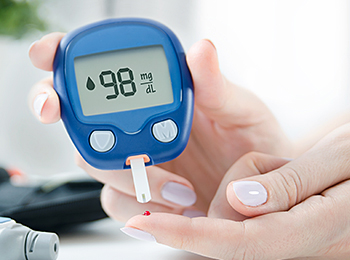
Regularly monitoring your blood sugar levels can help identify patterns and triggers of reactive hypoglycemia. Consider using a glucose meter to keep track of your readings.
In severe cases or when lifestyle modifications alone are insufficient, medical intervention may be necessary. A healthcare professional may prescribe medications or other therapies to help manage reactive hypoglycemia.
Reactive hypoglycemia due to fasting can be a challenging condition to manage, but with the right strategies, individuals can effectively regulate their blood sugar levels and minimize symptoms.
By understanding the causes and triggers of reactive hypoglycemia, recognizing the associated symptoms, and implementing appropriate lifestyle modifications, individuals can gain greater control over their condition. It is crucial to work closely with a healthcare professional to tailor management strategies to individual needs.
With diligence and a proactive approach, individuals with reactive hypoglycemia can lead healthier and more balanced lives, reducing the impact of this condition on their overall well-being.