Oddsfitness

Personal Fitness and Strength Trainer at Home in Delhi NCR
Categories
Recovery

Sick of Constant Aches and Stress? See How Recovery Massage Can Change Your Life!

Modern lifestyles are taking a toll on our health. Long hours at work, excessive screen time, and constant urban hustle lead to chronic stress, muscle tension, and fatigue. Ignoring these issues only worsens discomfort, affecting overall well-being. However, relief is closer than you think. Home massage services in Delhi NCR provide a convenient, effective solution-bringing expert therapists to your doorstep, so you can relax, recover, and rejuvenate without stepping outside.

Why At-Home Massage Services are a Game-Changer

Pain, stiffness, and fatigue should not be part of your daily routine. Yet, many people overlook the importance of muscle recovery and stress relief. Traditional spa visits require travel and time, which can add to the exhaustion rather than alleviating it. At-home massage services eliminate these barriers, providing expert therapy in the comfort of your own space, ensuring relaxation without the hassle.

Tailored Massage Therapies for Every Need

Full-Body Massage – A Holistic Reboot

If stress and fatigue have become a constant companion, a full-body massage offers a comprehensive solution. By improving circulation, releasing muscle tension, and promoting relaxation, it helps restore energy and balance. Whether you need relief from everyday stress or a revitalizing escape, this therapy offers lasting benefits.

Sports Recovery Massage in Delhi – Optimized Muscle Recovery

For fitness enthusiasts, muscle recovery is just as important as training. Sports recovery massage in Delhi is designed to speed up post-exercise recovery, prevent injuries, and improve flexibility. By targeting sore muscles and improving blood flow, this therapy enhances mobility and overall physical performance.

Deep Tissue Massage Pain Relief – Addressing Chronic Discomfort

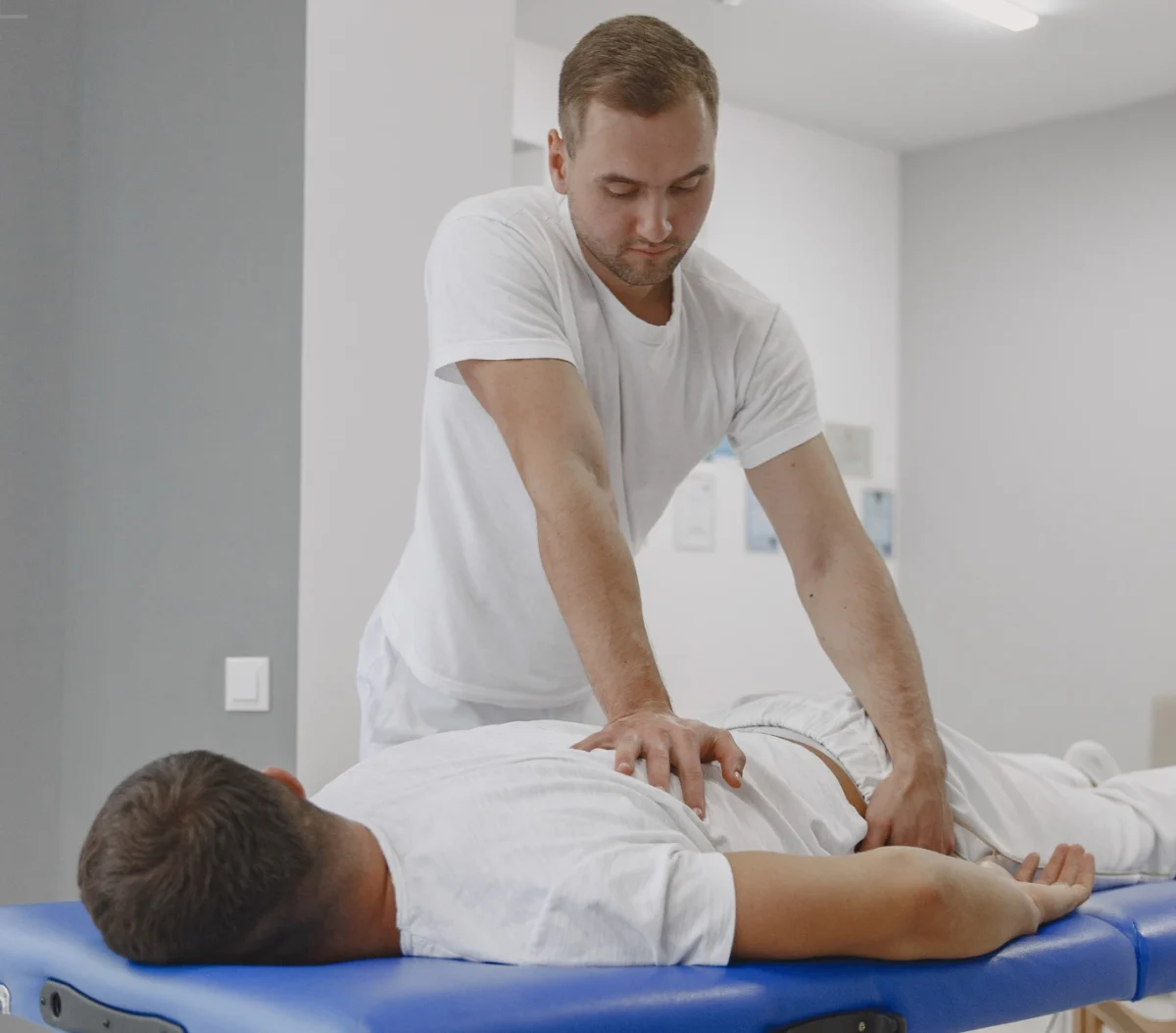
Deep-seated tension and persistent pain require a focused approach. Deep tissue massage pain relief works through layers of muscle, breaking down stiffness and reducing discomfort caused by prolonged sitting, heavy lifting, or poor posture. It is an excellent therapy for those suffering from chronic pain and mobility restrictions.

Pain Relief Massage – Easing Everyday Aches

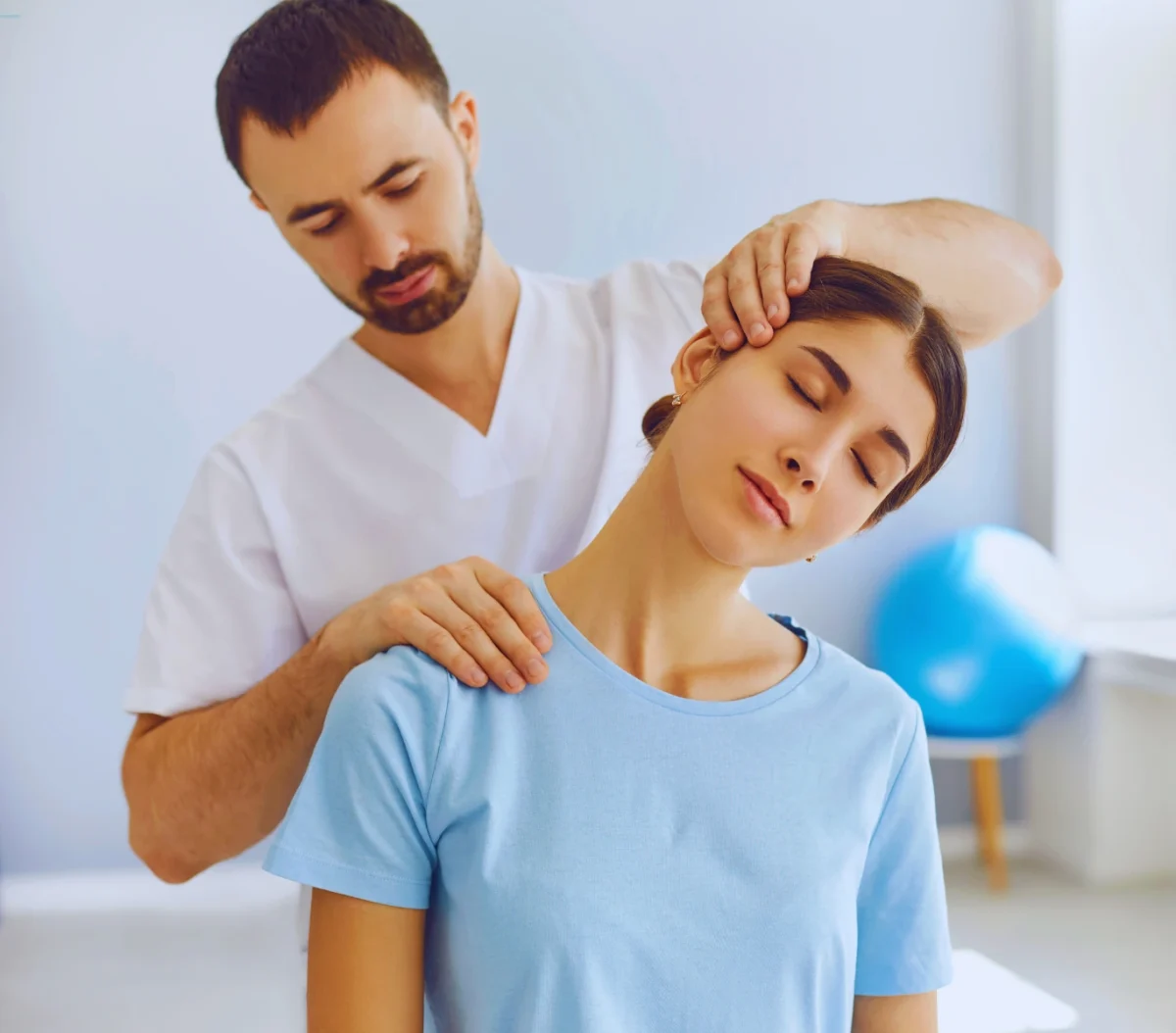
Modern lifestyles contribute to a variety of discomforts, from back pain to tension headaches. Pain relief massage targets specific problem areas, using a combination of techniques to reduce stress, enhance flexibility, and improve posture, ensuring lasting relief.

Targeted Therapies – Head, Neck, Shoulder & Foot Massage

For those experiencing localized tension, targeted therapies such as head, neck, shoulder, and foot massages provide instant relaxation. These techniques help alleviate headaches, improve circulation, and ease fatigue, making them essential for those dealing with long work hours or frequent travel.

The Convenience of Home-Based Wellness

The biggest advantage of home massage services in Delhi NCR is the ability to unwind in your own environment. There’s no need to schedule long commutes or wait in crowded spa lounges-professional therapists arrive at your home, ensuring a seamless, stress-free experience. Flexible scheduling allows you to fit self-care into your routine without disrupting your day.

Prioritizing recovery and relaxation isn’t just about luxury-it’s about long-term well-being. Investing in professional massage therapy helps improve physical health, reduce stress, and enhance overall quality of life.For those seeking expert care at home, Odds Recovery offers a team of skilled massage therapists specializing in deep tissue therapy, sports recovery, and relaxation massages. Their personalized approach ensures an effective and rejuvenating experience-all from the comfort of your home.

Categories
Fitness Recovery

Reclaim Your Mobility – Restore Your Strength with Physiotherapy!

Odds Recovery is revolutionizing the way you receive physiotherapy by bringing expert care directly to your doorstep. In today’s fast-paced world, making time for recovery can be challenging. That’s why our dedicated team of the best home physiotherapists in Delhi ensures that you receive personalized, high-quality treatments in the comfort and privacy of your own home. With our innovative approach, you no longer have to worry about commuting to a clinic or compromising on the quality of care.

Addressing Your Health Challenges Head-On

Living with muscle stiffness or recovering from surgery can be incredibly disruptive to your daily routine. At Odds Recovery, we offer targeted Muscle Stiffness Treatments that are designed to reduce tension and restore your flexibility. These treatments are particularly effective for those who experience chronic discomfort and mobility issues. Our highly skilled therapists assess your condition thoroughly and develop a customized treatment plan that addresses the root cause of your pain.

For individuals dealing with neurological concerns, our specialized Neuro Physiotherapist service is a game-changer. This service focuses on enhancing your coordination and balance by targeting specific nerve-related issues. If you’ve recently undergone surgery, our Pre And Post Surgery Rehabilitation service is meticulously designed to accelerate your recovery process. It helps in minimizing post-operative pain and enhances your ability to regain normal function swiftly.

Comprehensive Care Tailored to Every Age

At Odds Recovery, we understand that each stage of life comes with its unique set of physical challenges. Our comprehensive care extends to all age groups. For the little ones, our Pediatric Physiotherapist service offers gentle yet effective treatments that ensure children overcome developmental delays and sports injuries. Older adults, on the other hand, benefit from customized programs that focus on improving mobility, balance, and strength. These programs are critical in managing chronic pain and mitigating the effects of age-related physical decline.

A key component of our approach is the Taping Therapy treatment, which stabilizes joints and supports muscles during the rehabilitation process. This technique not only enhances your recovery but also minimizes the risk of re-injury, making it an essential part of our treatment repertoire.

Bringing Excellence Right to Your Home

Odds Recovery’s commitment to convenience is exemplified by our premium physiotherapy home service. This service is designed for clients who value professional care delivered in the sanctuary of their homes. By eliminating the need for travel, we ensure that your recovery journey is not only effective but also stress-free. Our therapists work around your schedule, providing you with flexible appointment timings that fit perfectly with your lifestyle.

Furthermore, our offerings include top-notch physiotherapy home care services that adhere to the highest standards of clinical excellence. For those residing in the National Capital Region, our physiotherapy services at home in delhi NCR are readily available, ensuring that expert care is never more than a phone call away.

At Odds Recovery, we believe that your health and comfort should always come first. Our integrated approach combines the latest treatment techniques with the convenience of home-based care, ensuring that you receive unparalleled support every step of the way. Experience the transformation of personalized physiotherapy that not only addresses your current issues but also paves the way for a pain-free, active future.Trust Odds Recovery to deliver professional and compassionate care where you need it most. Embrace a new era of healing and let our expert team help you reclaim your strength and vitality with our innovative physiotherapy home service.

Categories
Fitness Recovery

Expert Care at Your Doorstep: Redefining Home Wellness with Odds Recovery

Managing pain, recovering from injuries, or maintaining mobility shouldn’t be a struggle. Yet, frequent clinic visits and ineffective treatments often make the journey to better health overwhelming. Imagine a solution where expert care comes directly to you—helping you heal in the comfort of your own home. From physiotherapy to cupping therapy, dry needle therapy, and recovery massage services, you can now access specialized treatments without the hassle of travel.

Home Physiotherapy in Delhi: Restore Strength and Mobility

Pain and mobility issues can impact your quality of life, whether due to injury, post-surgery recovery, or chronic conditions. Home physiotherapy services in Delhi bring expert rehabilitation right to you, providing personalized care that strengthens muscles, improves flexibility, and prevents future injuries. Tailored recovery plans ensure faster healing, whether you’re an athlete getting back in shape or someone seeking relief from daily discomfort.

Cupping Therapy: Detox and Heal Naturally

Muscle stiffness, poor circulation, and toxin buildup can slow you down. Cupping therapy in Delhi enhances blood flow, reduces inflammation, and promotes natural healing. By applying gentle suction, cupping therapy helps release muscle tension and stimulate recovery, making it an excellent complement to conventional treatments. Whether dry or wet cupping, this time-tested therapy provides deep relief without invasive procedures.

Dry Needle Therapy: Targeted Pain Relief

Chronic pain and muscle tightness often stem from deep-seated trigger points. Dry needle therapy in Delhi is a precise technique that relaxes stiff muscles, improves circulation, and accelerates healing. Using fine needles to release knots and enhance energy flow, this method is a proven way to achieve long-lasting pain relief without medication.

Home Recovery Massage Service: Relax, Rejuvenate, and Recover

In today’s fast-paced world, stress and body tension take a toll on both mental and physical health. Home recovery massage services in Delhi provide expert therapeutic sessions designed to relieve stress, improve circulation, and support muscle recovery—all from the comfort of your home. Whether it’s deep tissue therapy or a relaxation massage, customized treatments help restore balance and enhance overall well-being.

Personalized Wellness, Convenient and Effective

Healing should be accessible, efficient, and tailored to individual needs. By integrating physiotherapy, cupping therapy, dry needling, and massage, you get a comprehensive approach that not only treats symptoms but also strengthens your body for long-term health. Odds Recovery ensures that expert care is delivered where you need it most—at home, on your schedule, and customized to your recovery goals.Experience the ease of at-home rehabilitation and wellness. Odds Recovery is redefining healthcare in Delhi by making expert recovery services more accessible and effective than ever. Take control of your health and start your journey to pain-free living today.

Categories
Fitness Nutrition

CAN DIABETICS DRINK PROTEIN SHAKE?

The question of whether diabetics can safely consume protein shakes is a pressing concern for many, given the increasing rates of diabetes and the growing popularity of protein shakes for fitness and nutrition. 

While protein shakes can offer an easy way to supplement your diet, their impact on blood sugar levels needs to be scrutinized. Here’s a comprehensive guide to help you understand the relationship between diabetes and protein shakes.

Protein is essential for muscle building, repairing tissues, and overall bodily function. Unlike carbohydrates, it doesn’t have a drastic effect on blood sugar levels, making it a safer option for diabetics. However, the type and quantity of protein consumed still matter.

Many over-the-counter protein shakes are loaded with added sugars and artificial sweeteners. These can spike blood sugar levels and are not recommended for diabetics. 

Always look at the nutritional label and choose shakes with minimal added sugar.

Opt for a protein shake made from high-quality sources like whey protein isolate, casein, or plant-based proteins like pea or hemp.

Choose protein shakes that are free from artificial flavors and sweeteners.

Consider shakes that also offer a healthy balance of fats and carbohydrates, as these can help stabilize blood sugar levels.

One of the best ways to ensure that your protein shake is diabetic-friendly is to make it yourself. Use natural sweeteners like stevia and include other nutrient-dense ingredients like chia seeds, avocado, or unsweetened almond milk.

Always consult your healthcare provider before making any significant changes to your diet, especially if you’re managing a condition like diabetes. 

While diabetics need to be cautious, a well-chosen or homemade protein shake can indeed be a part of a balanced diabetic diet. Remember to pay close attention to the ingredients and their effects on your blood sugar levels.

By taking these factors into consideration, diabetics can safely incorporate protein shakes into their diet, reaping the benefits without the risks.

Categories
Fitness Nutrition

RETAINING MUSCLE DURING FAT LOSS


When you’re on a mission to lose weight, one of the biggest challenges is maintaining muscle mass while shedding fat. Often, people who focus solely on the scale end up losing valuable muscle tissue, undermining their long-term fitness goals. 

If you want to look and feel your best as you slim down, preserving muscle mass should be at the forefront of your strategy. Here’s how to do it effectively.

First things first: you need to understand that losing weight typically involves a caloric deficit. This means that you’re consuming fewer calories than your body uses for its daily activities. While this is essential for fat loss, it can also make it challenging to hold onto muscle. Therefore, you need to approach your weight-loss regimen in a balanced way.

Protein is the building block of muscle and is crucial for repair and growth. A higher protein intake can help you retain muscle mass during a caloric deficit. Aim for at least 1.2 to 2.2 grams of protein per kilogram of body weight, depending on your activity level.

Equally important is the timing of your protein intake. Distribute your protein evenly throughout the day and especially focus on consuming enough before and after workouts.

Cardio workouts are excellent for burning calories, but strength training is what will help you preserve—or even build—muscle mass. Engage in a consistent strength training program focusing on compound movements like squats, deadlifts, and bench presses.

While cardio is important for overall health and helps in creating a calorie deficit, going overboard with long, strenuous sessions can lead to muscle loss. Opt for moderate cardio exercises and consider implementing high-intensity interval training (HIIT), which is less likely to deplete muscle mass.

While not a substitute for a balanced diet, supplements like BCAAs, creatine, and even a high-quality whey protein can support muscle retention.

Don’t underestimate the power of vitamins and minerals; deficiencies in micronutrients like Vitamin D, calcium, and magnesium can impact muscle function.

Muscles grow and repair not when you’re working out, but when you’re resting. Make sure to get at least 7-8 hours of quality sleep per night and give your muscles adequate time to recover between workouts.

Use tools like body composition scales or DEXA scans to monitor your fat loss and muscle mass. If you’re losing muscle, consider revising your diet or workout plan.

Losing fat while retaining muscle is a balancing act but is crucial for achieving a toned, fit look. By incorporating these tips into your lifestyle, you’ll be well on your way to a body that’s not just lighter but also stronger and healthier. Remember, the journey of fat loss is not just about reducing numbers on the scale but improving your overall body composition.

Whether you’re a serious athlete or just starting your fitness journey, these tips will help you achieve your fat loss goals without sacrificing hard-earned muscle.

Categories
Fitness Nutrition

DYSLIPIDEMIA AND SLEEP

In the multifaceted world of health and wellness, it is widely acknowledged that lifestyle choices, genetic factors, and medical conditions influence our overall well-being.

However, one crucial aspect that often goes unnoticed is the profound connection between sleep and a condition called dyslipidemia. 

Recent research has uncovered a fascinating link between our sleep patterns and the development of dyslipidemia, which involves an abnormal level of lipids (fats) in the bloodstream.

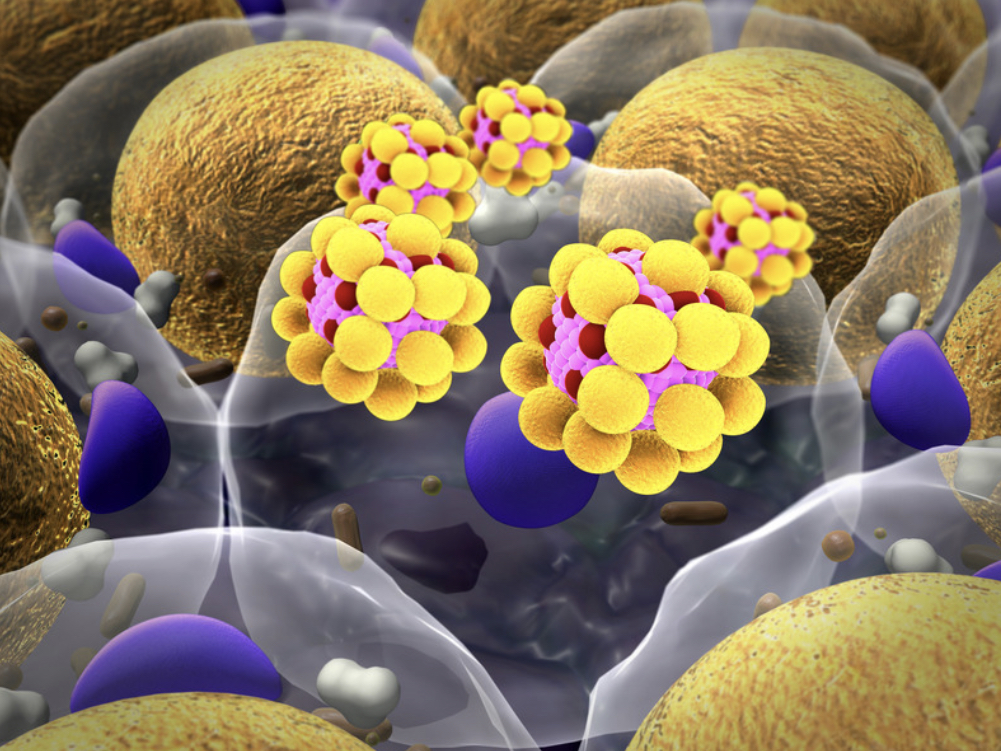
Dyslipidemia may sound like a medical jargon, but its implications for our health are undeniable. At its core, dyslipidemia denotes the presence of abnormal levels of lipids in the blood, encompassing cholesterol and triglycerides. 

These lipids, while essential for various bodily functions, become problematic when they are imbalanced, potentially leading to serious health issues, particularly cardiovascular diseases.

Understanding the Sleep Connection

How exactly does sleep come into play in the context of dyslipidemia? Recent scientific studies have illuminated a significant association between suboptimal sleep quality and an increased susceptibility to dyslipidemia.

Sleep plays a pivotal role in regulating lipid metabolism. When we fail to obtain sufficient restorative sleep, the body’s ability to process lipids efficiently is compromised. 

This disruption can result in an elevation in harmful LDL cholesterol and triglycerides, setting the stage for dyslipidemia.

Poor sleep is closely linked to weight gain and obesity, both of which are established risk factors for dyslipidemia. 

Sleep-deprived individuals often experience hormonal shifts that intensify appetite and reduce insulin sensitivity, heightening the likelihood of excess weight accumulation.

Sleep deprivation triggers chronic inflammation, a pivotal factor intertwined with dyslipidemia. Chronic inflammation can inflict damage on blood vessels and contribute to the accumulation of plaque, thereby narrowing the arteries.

Sleep insufficiency tends to elevate cortisol levels, the body’s primary stress hormone. Elevated cortisol levels, in turn, can lead to higher triglyceride levels and decreased levels of the “good” HDL cholesterol, both of which are cardinal contributors to dyslipidemia.

Enhancing Sleep for Optimal Lipid Health

Now that we have established the profound connection between sleep and dyslipidemia, it is imperative to discuss strategies for enhancing your sleep quality and, consequently, safeguarding your lipid health.

A solid foundation for improved sleep lies in the establishment of a consistent bedtime routine. Cultivate a comfortable sleep environment by minimizing electronic device usage before bedtime and ensuring that your sleeping area is cool, dark, and tranquil.

It is advisable to adhere to a regular sleep schedule, retiring to bed and waking up at the same times each day, even on weekends. The consistency helps reinforce your body’s internal clock, promoting healthier sleep patterns.

Engaging in regular physical exercise can markedly enhance sleep quality and aid in weight management. Given that excess weight is a key risk factor for dyslipidemia, exercise contributes significantly to reducing this risk.

Your dietary choices are paramount in maintaining optimal lipid levels. Embrace a diet rich in fruits, vegetables, whole grains, and lean proteins. Additionally, limiting the intake of saturated and trans fats, which can contribute to dyslipidemia, is crucial for maintaining heart health.

Effectively managing stress is essential in the context of sleep and lipid health. Incorporate stress-reduction techniques into your daily routine, such as mindfulness, meditation, or deep breathing exercises, to keep cortisol levels in check and create a conducive environment for restorative sleep.

Dyslipidemia, with its potential to elevate the risk of cardiovascular diseases, warrants our attention and proactive efforts to mitigate its impact. 

While multiple factors influence its development, the role of sleep is increasingly being recognized as a critical one. By making the conscious decision to prioritize good sleep hygiene and address any sleep-related disorders, you take a significant step towards promoting healthy lipid levels and overall well-being. 

It is imperative to acknowledge that sleep is not a mere luxury but a necessity for a vibrant, long, and healthy life. It is within our grasp to embrace it.

Recent research has shed light on the intricate relationship between sleep and a condition known as dyslipidemia. In this article, we will explore what dyslipidemia is, how it is related to sleep, and what you can do to maintain healthier lipid levels through better sleep habits.

Dyslipidemia is a term that might not be immediately familiar to everyone. Simply put, it refers to an abnormal level of lipids (fats) in the bloodstream, including cholesterol and triglycerides.

These lipids are essential for various bodily functions, but when their levels become imbalanced, they can lead to serious health issues, most notably cardiovascular diseases.

Understanding the Sleep Connection

So, what does sleep have to do with dyslipidemia? As it turns out, quite a lot. Recent scientific studies have shown a significant link between poor sleep quality and an increased risk of developing dyslipidemia.

Sleep plays a crucial role in the regulation of lipid metabolism. When we don’t get enough restorative sleep, our body’s ability to process lipids efficiently is compromised. This can lead to an elevation in harmful LDL cholesterol and triglycerides.

Poor sleep is associated with weight gain and obesity, which are risk factors for dyslipidemia. Sleep-deprived individuals often experience hormonal changes that increase their appetite and reduce their sensitivity to insulin, making them more prone to gaining excess weight.

Lack of sleep can trigger chronic inflammation, which is closely tied to dyslipidemia. Inflammation can damage blood vessels and contribute to the buildup of plaque, narrowing the arteries.

Sleep deficiency also tends to raise cortisol levels, the body’s stress hormone. Elevated cortisol can lead to higher triglyceride levels and lower levels of the “good” HDL cholesterol.

Improving Sleep for Better Lipid Health

Now that we’ve established the connection between sleep and dyslipidemia, it’s important to discuss how you can improve your sleep to protect your lipid health.

Establish a bedtime routine and create a comfortable sleep environment. Avoid electronic devices before bedtime, and keep your sleeping area cool, dark, and quiet.

Try to go to bed and wake up at the same time every day, even on weekends. Consistency reinforces your body’s internal clock.

Engaging in regular exercise can improve sleep quality and help manage weight, reducing the risk of dyslipidemia.

Adopt a diet rich in fruits, vegetables, whole grains, and lean proteins. Limit your intake of saturated and trans fats, which can contribute to dyslipidemia.

Practice stress-reduction techniques such as mindfulness, meditation, or deep breathing exercises to keep cortisol levels in check.

Dyslipidemia is a concerning health condition that can significantly increase the risk of cardiovascular diseases. While many factors contribute to its development, the role of sleep should not be underestimated. 

By prioritizing good sleep habits and addressing any sleep disorders, you can take an important step towards maintaining healthy lipid levels and overall well-being. It’s time to recognize that sleep is not a luxury but a necessity for a healthy life.