
Oddsfitness

Personal Fitness and Strength Trainer at Home in Delhi NCR
Categories
Fitness Nutrition

TIMING YOUR EXERCISE WHILE FASTING

Fasting and exercise are two powerful practices that have been used for centuries to promote health, boost energy, and improve overall well-being. While they can be effective independently, combining fasting with exercise can yield even more significant benefits. 

However, timing is crucial when it comes to exercising while fasting to ensure you maximize the advantages while avoiding potential pitfalls.

Fasting involves abstaining from food for a specific period, allowing the body to enter a state of metabolic change. There are various fasting methods, including intermittent fasting, time-restricted eating, and extended fasting, each with its own unique fasting and eating windows.

Intermittent fasting typically alternates between periods of fasting and eating, while time-restricted eating restricts eating to a specific window each day. 

Extended fasting, on the other hand, involves fasting for multiple days at a time. Fasting has been associated with numerous health benefits, including improved insulin sensitivity, enhanced brain function, weight loss, and cellular repair.

When exercise is combined with fasting, several synergistic benefits can arise, making it a popular approach among health enthusiasts and athletes. Some of the key advantages include

During fasting, your body’s glycogen stores become depleted, prompting it to rely on stored fat for energy. When you exercise in this state, your body is more likely to burn fat as a fuel source, aiding in weight loss and fat reduction.

Fasting has been shown to boost the production of human growth hormone (HGH), which plays a vital role in muscle growth, repair, and overall recovery. When coupled with exercise, the effects of HGH can be further amplified.

Both fasting and exercise independently enhance insulin sensitivity, but their combined effects can be even more powerful. Increased insulin sensitivity helps your body utilize glucose more efficiently, reducing the risk of type 2 diabetes and other metabolic disorders.

Fasting triggers autophagy, a cellular process that removes damaged cells and promotes cellular renewal. Exercise can further enhance this process, leading to improved cellular health and longevity.

While exercising during fasting can offer numerous benefits, it’s crucial to time your workouts thoughtfully to avoid potential negative consequences.

Different fasting methods suit various individuals based on their lifestyle, goals, and medical considerations. Intermittent fasting with shorter fasting windows (e.g., 16:8) may be more suitable for moderate exercise, while longer fasting windows might be better suited for light activities during extended fasting.

Pay close attention to your body’s signals and adjust your exercise routine accordingly. While some people might feel energized and motivated to engage in intense workouts during fasting, others may prefer gentler activities like yoga or walking.

The timing of your exercise can significantly impact your fasting experience. During intermittent fasting, consider working out towards the end of your fasting window, as this allows your body to maximize fat burning. 

For time-restricted eating, exercising shortly before breaking your fast can help refuel your body appropriately.

Staying hydrated is crucial when fasting and exercising. Make sure to drink sufficient water before, during, and after your workout to prevent dehydration and maintain performance.

 While exercising during fasting can be beneficial, avoid pushing yourself to the limits or engaging in high-intensity workouts if you’re not accustomed to it. 

Fasting may temporarily reduce your exercise performance, so focus on moderate activities and gradually increase intensity over time.

After your workout and during your eating window, prioritize nutrient-dense foods that aid in muscle recovery and replenishing glycogen stores. 

Incorporate a balanced meal with protein, healthy fats, and complex carbohydrates to support your body’s needs.

The type of exercise you choose to engage in during fasting can significantly impact your experience and results. Here are some exercise options that are well-suited for fasting

Walking is a low-impact activity that can be easily incorporated into your fasting routine. It can aid in fat burning without placing excessive stress on the body.

Yoga and stretching exercises can help improve flexibility, balance, and overall well-being. They are particularly useful during fasting, as they promote relaxation and mindfulness.

If you prefer cardiovascular exercises, opt for moderate-intensity activities like jogging, cycling, or swimming. These activities can enhance fat burning without pushing your body to extreme levels.

 Bodyweight exercises like push-ups, squats, and lunges can be performed at a pace that suits your fasting state. They help maintain muscle mass and improve strength.

Incorporating resistance training with weights or resistance bands can be beneficial for maintaining muscle mass and supporting metabolic health during fasting.

When done correctly, timing your exercise during fasting can amplify the benefits of both practices. Be mindful of the fasting method you choose, listen to your body’s signals, and select exercises that suit your fitness level and fasting state.

Remember that each person’s response to fasting and exercise is unique, so it’s essential to experiment and find what works best for you. 

Always consult with a healthcare professional or fitness expert before starting any fasting or exercise program, especially if you have pre-existing health conditions.

With proper timing and a balanced approach, exercising while fasting can become a rewarding and transformative experience, supporting your journey towards improved physical, mental, and emotional well-being.


Categories
Fitness Nutrition

SHOULD YOU GO VEGAN?

With the rising awareness of ethical and environmental concerns, the popularity of veganism has surged in recent years. 

Veganism is a dietary and lifestyle choice that excludes all animal products. This means avoiding meat, poultry, fish, dairy, eggs, and even products derived from animals such as honey. Instead, a vegan diet primarily consists of fruits, vegetables, whole grains, legumes, nuts, and seeds.

A well-planned vegan diet can be rich in essential nutrients such as vitamins C and E, fiber, folate, magnesium, and potassium. Fruits, vegetables, whole grains, and legumes are excellent sources of these vital nutrients, which are essential for overall health and well-being.

Numerous studies have shown that a well-balanced vegan diet can reduce the risk of chronic diseases. Plant-based diets have been associated with a lower risk of heart disease, high blood pressure, type 2 diabetes, and certain types of cancer. 

The high fiber content of plant-based foods, coupled with their lower levels of saturated fat and cholesterol, contribute to these health benefits.

A vegan diet can also be helpful for weight management. Plant-based diets tend to be lower in calories and higher in fiber, which can promote feelings of fullness and satiety. Additionally, vegan diets often lead to lower body mass indexes (BMI) and reduced risk of obesity compared to non-vegan diets.

Plant-based diets are typically high in fiber, which acts as a prebiotic, nourishing the beneficial bacteria in the gut. A healthy gut microbiome has been linked to improved digestion, stronger immune function, and a reduced risk of gastrointestinal disorders.

While a well-planned vegan diet can provide all the necessary nutrients, some nutrients are more challenging to obtain solely from plant-based sources. 

Vitamin B12, iron, calcium, iodine, omega-3 fatty acids, and zinc are nutrients that require careful attention in a vegan diet. Supplementation or fortified foods may be necessary to ensure adequate intake of these nutrients.

Plant-based protein sources, such as legumes, tofu, tempeh, seitan, and quinoa, can provide adequate protein for most individuals. However, some plant proteins may be incomplete or lower in certain essential amino acids. Combining different protein sources throughout the day can help ensure a complete amino acid profile.

A vegan diet requires careful meal planning, especially when dining out or traveling. It may be more challenging to find vegan options in certain areas or cultures. However, as veganism gains popularity, the availability and accessibility of vegan food options are steadily improving.

Every individual is unique, and what works for one person may not work for another. Some people may find it difficult to transition to a vegan diet due to personal preferences, cultural factors, or potential food sensitivities. It is important to listen to your body and make adjustments that suit your needs.

From a health perspective, a well-planned vegan diet can offer numerous benefits, including improved nutrient intake, reduced risk of chronic diseases, weight management, and better gut health. However, it is essential to consider potential nutritional deficiencies and plan meals carefully to ensure a balanced and diverse diet.

Before making any dietary changes, it is recommended to consult with a registered dietitian or healthcare professional who can provide personalized guidance based on your specific health needs and goals.

Ultimately, the decision to go vegan should be based on a comprehensive evaluation of your personal values, ethical considerations, environmental concerns, and health objectives. 

By understanding the potential benefits and challenges of a vegan lifestyle, you can make an informed decision that aligns with your individual needs and values.

Categories
Fitness Nutrition

CLEARING THE CLOUDS : REDUCE BRAIN FOG AFTER MEALS

Do you ever experience a state of mental fog or sluggishness after a meal? You’re not alone. Many individuals often struggle with post-meal brain fog, which can lead to decreased productivity and a sense of overall lethargy. 

While brain fog can have various causes, such as stress, lack of sleep, or underlying health conditions, our focus today will be on reducing brain fog specifically after a meal.

Brain fog is a subjective experience characterized by a lack of mental clarity, poor concentration, and difficulty in processing information. 

While it is not a medical condition itself, it can be a symptom of various factors, including nutrient deficiencies, hormonal imbalances, inflammation, and poor gut health. When it comes to post-meal brain fog, the primary culprits are often related to the foods we eat and how our bodies respond to them.

The food we consume plays a significant role in our brain function and overall well-being. Certain foods can trigger inflammation, spike blood sugar levels, or induce allergic reactions, all of which can contribute to brain fog. 

Highly processed foods, refined carbohydrates, sugary snacks, and artificial additives are common offenders that can lead to post-meal brain fog. Additionally, individual sensitivities to gluten, dairy, or other specific food groups can exacerbate brain fog symptoms. 

By understanding the impact of our diet on our cognitive function, we can make conscious choices to reduce brain fog and promote mental clarity.

Include a mix of lean protein, healthy fats, and complex carbohydrates in your meals. This combination helps provide sustained energy, stabilize blood sugar levels, and prevent post-meal crashes.

Highly processed foods often lack essential nutrients and can lead to inflammation. Choose whole, unprocessed foods whenever possible to nourish your body and mind.

Keep a food diary to identify any potential food sensitivities or triggers. Eliminate suspect foods from your diet for a few weeks, then gradually reintroduce them to observe any changes in brain fog symptoms.

Slow down and savor your meals. Mindful eating promotes better digestion, satiety cues, and allows you to connect with your body’s signals more effectively.

Dehydration can impact cognitive function. Ensure you drink an adequate amount of water throughout the day to stay hydrated and support brain health.

Include foods rich in vitamins, minerals, and antioxidants to support brain function. Leafy greens, berries, fatty fish, nuts, and seeds are excellent choices to nourish your brain.

Avoid large spikes and crashes in blood sugar levels by consuming meals that contain fiber, healthy fats, and protein. This balanced approach helps regulate glucose levels and prevents brain fog 

Certain supplements, such as omega-3 fatty acids, B vitamins, and magnesium, may support brain health and alleviate brain fog. Consult with a healthcare professional to determine if supplementation is right for you.

Chronic stress can contribute to brain fog. Engage in activities like meditation, yoga, or deep breathing exercises to manage stress levels and improve mental clarity.

A healthy gut contributes to overall well-being, including brain function. Incorporate probiotic-rich foods like yogurt, sauerkraut, or kefir, or consider a probiotic supplement to support your gut microbiome.

Post-meal brain fog can significantly impact our daily lives, making it challenging to focus and perform at our best. By understanding the connection between our diet and cognitive function, we can implement strategies to reduce brain fog and enhance mental clarity. 

Remember, everyone’s experience is unique, so it may take some experimentation to identify the specific triggers for your brain fog. With a mindful and balanced approach to eating, coupled with lifestyle adjustments, you can take control of your post-meal brain fog and unlock your full cognitive potential. 

Stay mindful, prioritize nourishing foods, and reclaim the clarity and focus you deserve.

Categories
Fitness Nutrition

STOP GIVING YOUR KIDS FRUIT PURÉES !


Marketed as a nutritious alternative to whole fruits, these smooth, pulpy mixtures often find their way into lunchboxes and high chairs.

However, an increasing body of evidence suggests that relying too heavily on fruit purées may hinder the development of healthy eating habits in children. This blog will explore the drawbacks of feeding kids fruit purées and highlight the benefits of incorporating whole fruits into their diets instead.

The lack of fiber also deprives children of the essential nutrient responsible for maintaining gut health, regulating bowel movements, and preventing constipation.

While fruits are a natural source of sugar, consuming them in their whole form provides a balanced combination of fiber, vitamins, and minerals that counteract the effects of sugar.

However, fruit purées concentrate the sugars, leading to higher sugar content per serving. Excess sugar intake at an early age may contribute to the development of unhealthy eating habits, taste preferences, and even obesity.

Introducing children to a variety of textures early on is crucial for their sensory development and oral motor skills. Whole fruits offer diverse textures, including crunchy, chewy, and juicy sensations.

By exclusively feeding children fruit purées, they miss out on the opportunity to experience these textures and may develop a limited palate, making it challenging to accept and enjoy whole foods in the future.

Feeding children fruit purées often involves spoon-feeding, which can discourage self-feeding and hinder the development of fine motor skills.

By introducing age-appropriate whole fruits, children can explore different tastes, colors, and textures independently, fostering a sense of autonomy and empowering them to make choices about their food.

While fruit purées may seem like a convenient solution, relying on them exclusively can have long-term consequences for children’s health and eating habits. By embracing whole fruits, parents and caregivers can provide a more well-rounded approach to nutrition, offering essential fiber, balanced sugar intake, diverse textures, and empowering children’s independence.

Encouraging healthy eating habits from an early age sets the stage for a lifetime of balanced nutrition and enjoyment of a wide range of foods.

By choosing whole fruits over fruit purées, we empower children to embark on a lifelong journey of healthy eating and a balanced relationship with food. Let’s prioritize their long-term health and well-being by providing them with the building blocks they need to thrive.

Categories
Fitness Nutrition

REACTIVE HYPOGLYCAEMIA AND FASTING


Reactive hypoglycemia is a condition characterized by low blood sugar levels that occur within a few hours after a meal or, in some cases, after an extended period of fasting.


Reactive hypoglycemia refers to a sudden drop in blood sugar levels that occurs after consuming a meal or during periods of fasting. It is often attributed to an exaggerated insulin response triggered by the ingestion of carbohydrates.

When we eat, our body breaks down carbohydrates into glucose, which enters the bloodstream and triggers the release of insulin from the pancreas. Insulin helps shuttle glucose into cells, where it is used for energy production.

However, in individuals with reactive hypoglycemia, the insulin response is excessive, leading to an overcorrection and subsequent drop in blood sugar levels.

Reactive hypoglycemia is commonly associated with the consumption of meals high in simple carbohydrates, such as refined sugars and processed foods. These foods cause a rapid rise in blood glucose levels, leading to an exaggerated insulin response and subsequent hypoglycemia.

Fasting for extended periods can also trigger reactive hypoglycemia. When the body is deprived of food, it relies on stored glycogen and fat reserves for energy. In some individuals, the liver releases excessive amounts of glucose into the bloodstream during fasting, leading to a subsequent surge of insulin and subsequent hypoglycemia.

Certain hormonal imbalances, such as an overproduction of insulin or deficiencies in glucagon (a hormone that helps raise blood sugar levels), can contribute to reactive hypoglycemia.

Certain medications, such as those used to treat diabetes or autoimmune disorders, can increase the risk of reactive hypoglycemia. Additionally, medical conditions such as adrenal insufficiency, liver disease, or pancreatic tumors may also play a role.

Opt for meals that include a balance of complex carbohydrates, proteins, and healthy fats. This combination slows down the digestion and absorption of carbohydrates, leading to a more gradual and stable release of glucose into the bloodstream.

Instead of consuming large meals, divide your daily caloric intake into smaller, more frequent meals and snacks. This approach helps maintain steady blood sugar levels throughout the day.

Including high-fiber foods like whole grains, legumes, and vegetables in your diet can help regulate blood sugar levels and prevent rapid spikes and subsequent drops.

Minimize your consumption of sugary beverages, processed foods, and sweets, as these can cause rapid fluctuations in blood sugar levels.

Pairing carbohydrates with protein-rich snacks can help stabilize blood sugar levels. Examples include a small handful of nuts or seeds, Greek yogurt, or a hard-boiled egg.

If you choose to fast, consider intermittent fasting methods that involve shorter fasting periods or consult with a healthcare professional to determine an appropriate fasting regimen that minimizes the risk of reactive hypoglycemia.

Engaging in regular physical activity can improve insulin sensitivity and help regulate blood sugar levels. However, it’s important to monitor your blood glucose levels and adjust your exercise routine accordingly to avoid hypoglycemia.

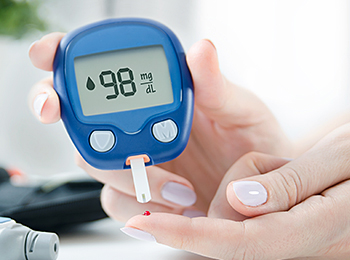
Regularly monitoring your blood sugar levels can help identify patterns and triggers of reactive hypoglycemia. Consider using a glucose meter to keep track of your readings.

In severe cases or when lifestyle modifications alone are insufficient, medical intervention may be necessary. A healthcare professional may prescribe medications or other therapies to help manage reactive hypoglycemia.

Reactive hypoglycemia due to fasting can be a challenging condition to manage, but with the right strategies, individuals can effectively regulate their blood sugar levels and minimize symptoms.

By understanding the causes and triggers of reactive hypoglycemia, recognizing the associated symptoms, and implementing appropriate lifestyle modifications, individuals can gain greater control over their condition. It is crucial to work closely with a healthcare professional to tailor management strategies to individual needs.

With diligence and a proactive approach, individuals with reactive hypoglycemia can lead healthier and more balanced lives, reducing the impact of this condition on their overall well-being.

Categories
Fitness Nutrition

CHILLING YOUR WAY TO BETTER HEALTH

In the pursuit of optimal health and well-being, we often encounter various trends and practices promising remarkable results. One such practice gaining popularity in recent years is cold exposure. 

From ice baths to cold showers, this age-old technique has captured the attention of health enthusiasts and researchers alike. 

While most of us associate warmth and comfort with well-being, it turns out that exposing ourselves to cold temperatures can yield an array of health benefits

The human immune system plays a vital role in protecting the body against pathogens and diseases. Cold exposure has been shown to stimulate the immune system, improving its functionality. Exposure to cold temperatures activates brown adipose tissue, a specialized type of fat that generates heat, thereby increasing the body’s metabolic rate.

This process helps boost the production of white blood cells, including natural killer cells and lymphocytes, which are crucial for fighting off infections and diseases. Regular cold exposure has been linked to a reduced incidence of common illnesses such as the common cold, flu, and respiratory infections

Cold exposure can have a profound impact on our cardiovascular system. When exposed to cold temperatures, our blood vessels constrict, leading to increased blood pressure. While this may initially seem detrimental, it actually stimulates our body to adapt and improve its cardiovascular function. Over time, this adaptation leads to enhanced circulation and increased flexibility of blood vessels. Cold exposure has also been found to promote the production of nitric oxide, a molecule that dilates blood vessels, resulting in improved blood flow and reduced risk of cardiovascular diseases such as hypertension, atherosclerosis, and heart attacks.

  • Enhanced Recovery and Reduced Inflammation (Word Count: 419)

Athletes and fitness enthusiasts are increasingly turning to cold exposure as a means to accelerate recovery and reduce inflammation. Exposure to cold temperatures, particularly through techniques like ice baths and cold showers, triggers a process known as vasoconstriction, wherein blood vessels narrow and reduce blood flow to affected areas. This constriction helps mitigate inflammation and swelling caused by intense exercise or injuries. Additionally, cold exposure stimulates the release of endorphins, which act as natural painkillers, thereby aiding in pain management and enhancing the recovery process.

  • Mental Health Benefits (Word Count: 438)

Cold exposure not only offers physical advantages but also has a positive impact on mental well-being. When we expose ourselves to cold temperatures, our bodies release a surge of neurotransmitters, including dopamine and norepinephrine, which are associated with improved mood and increased focus. Cold exposure has been found to reduce symptoms of depression and anxiety, enhance mental clarity, and increase resilience to stress. Cold showers, in particular, have gained popularity for their invigorating and energizing effects, helping individuals start their day with a heightened sense of alertness and mental acuity.

Maintaining a healthy weight and a robust metabolism is a common goal for many individuals. Cold exposure can contribute to achieving these objectives. 

Exposing the body to cold temperatures activates brown adipose tissue, commonly referred to as “good fat.” Brown fat generates heat by burning calories, thus aiding in weight loss and improving metabolic function. 

Cold exposure has also been linked to increased insulin sensitivity, which can assist in preventing or managing conditions such as type 2 diabetes.

While cold exposure may initially seem daunting or uncomfortable, the evidence surrounding its numerous health benefits cannot be ignored. 

From strengthening the immune system and improving cardiovascular health to reducing inflammation and enhancing mental well-being, the icy embrace of cold exposure offers a multitude of advantages. 

Incorporating cold showers, ice baths, or other forms of controlled cold exposure into our routines can provide a refreshing boost to our overall health and vitality.

As with any new practice, it is essential to start slowly and consult a healthcare professional if you have any pre-existing medical conditions. Embrace the chill and unlock the hidden potential of cold exposure on your journey to optimal health.

Start your journey with the best trainers in Delhi 

Categories
Fitness Nutrition

IS OBESITY A GENETIC PREDISPOSITION?


Obesity is a global health concern that has reached epidemic proportions in recent years. While lifestyle factors such as diet and physical activity play a significant role in weight gain and obesity, the question of whether genetics also contribute to this condition remains a topic of debate.

In particular, morbid obesity, defined as having a body mass index (BMI) of 40 or higher, raises the question of whether it can be attributed to genetic predisposition. 

This blog aims to explore the relationship between morbid obesity and genetics, examining both the scientific evidence and the complexities of this multifactorial condition.

To comprehend the connection between genetics and morbid obesity, it is essential to first understand the broader context of obesity. 

Obesity occurs when the body accumulates an excessive amount of fat, leading to adverse health effects. It is influenced by a combination of genetic, environmental, behavioral, and metabolic factors.

Numerous studies have established a genetic component in obesity. Family and twin studies consistently indicate that there is a hereditary influence on body weight and fat distribution. 

It has been observed that the risk of obesity increases if one or both parents are obese. However, genetics alone cannot account for the rapid increase in obesity rates worldwide. The interaction between genes and environmental factors plays a crucial role.

In rare cases, obesity can be traced to a single gene mutation, resulting in what is known as monogenic forms of obesity. These mutations typically affect appetite regulation, energy expenditure, or fat storage. 

For instance, mutations in the melanocortin-4 receptor (MC4R) gene have been associated with severe early-onset obesity. However, monogenic forms of obesity account for less than 5% of all cases, and their contribution to morbid obesity is limited.

The majority of obesity cases, including morbid obesity, are considered polygenic, involving multiple genes interacting with environmental factors. Genome-wide association studies (GWAS) have identified over 400 genetic loci associated with obesity-related traits. 

These loci are involved in various biological processes, including appetite regulation, metabolism, fat storage, and energy expenditure.

While specific genetic variations have been linked to obesity, it is important to note that having these variants does not guarantee obesity. 

Genetic predisposition refers to an increased susceptibility to a particular condition. In the case of obesity, individuals with certain genetic variants may have a higher risk of developing obesity but will not necessarily become obese. 

This is because genetics interact with environmental factors, lifestyle choices, and personal behaviors.

Genetic factors alone cannot explain the obesity epidemic. The modern environment, characterized by readily available high-calorie foods and sedentary lifestyles, has played a significant role in the rising obesity rates. 

Gene-environment interactions are crucial in determining an individual’s susceptibility to obesity. A person with a high genetic predisposition may be more vulnerable to weight gain in an obesogenic environment than someone with a lower genetic predisposition.

Epigenetics is the study of changes in gene expression that do not involve alterations to the underlying DNA sequence. These modifications can be influenced by environmental factors and lifestyle choices. 

Emerging research suggests that epigenetic modifications may play a role in obesity development. Factors such as maternal diet, stress, and exposure to certain chemicals may influence epigenetic marks and affect an individual’s risk of obesity.

The gut microbiota, the trillions of bacteria residing in our digestive tract, have also been implicated in obesity. Recent studies have revealed a connection between the composition of the gut microbiota and body weight regulation. 

Certain microbial species have been associated with increased energy extraction from food, increased fat storage, and inflammation, which can contribute to obesity. 

While the influence of the gut microbiota on obesity is still being researched, it highlights the complexity of the genetic and environmental factors at play.

In conclusion, morbid obesity is a complex condition influenced by both genetic and environmental factors. While genetic predisposition can contribute to an individual’s susceptibility to obesity, it is not the sole determinant. 

Polygenic obesity, with numerous genetic variants interacting with environmental factors, plays a significant role in the development of morbid obesity. Understanding the genetics of obesity can help inform personalized treatment and prevention strategies.

It is important to note that genetics should not be seen as a destiny for obesity. The environment, lifestyle choices, and personal behaviors still play a critical role. 

By promoting healthy eating habits, regular physical activity, and creating supportive environments, we can mitigate the impact of genetic predisposition and reduce the risk of morbid obesity.

To comprehend the connection between genetics and morbid obesity, it is essential to first understand the broader context of obesity. Obesity occurs when the body accumulates an excessive amount of fat, leading to adverse health effects. It is influenced by a combination of genetic, environmental, behavioral, and metabolic factors.

Numerous studies have established a genetic component in obesity. Family and twin studies consistently indicate that there is a hereditary influence on body weight and fat distribution. It has been observed that the risk of obesity increases if one or both parents are obese. However, genetics alone cannot account for the rapid increase in obesity rates worldwide. The interaction between genes and environmental factors plays a crucial role.

In rare cases, obesity can be traced to a single gene mutation, resulting in what is known as monogenic forms of obesity. These mutations typically affect appetite regulation, energy expenditure, or fat storage. For instance, mutations in the melanocortin-4 receptor (MC4R) gene have been associated with severe early-onset obesity. However, monogenic forms of obesity account for less than 5% of all cases, and their contribution to morbid obesity is limited.

The majority of obesity cases, including morbid obesity, are considered polygenic, involving multiple genes interacting with environmental factors. Genome-wide association studies (GWAS) have identified over 400 genetic loci associated with obesity-related traits. These loci are involved in various biological processes, including appetite regulation, metabolism, fat storage, and energy expenditure.

While specific genetic variations have been linked to obesity, it is important to note that having these variants does not guarantee obesity.

Genetic predisposition refers to an increased susceptibility to a particular condition. In the case of obesity, individuals with certain genetic variants may have a higher risk of developing obesity but will not necessarily become obese. This is because genetics interact with environmental factors, lifestyle choices, and personal behaviors.

Genetic factors alone cannot explain the obesity epidemic. The modern environment, characterized by readily available high-calorie foods and sedentary lifestyles, has played a significant role in the rising obesity rates. Gene-environment interactions are crucial in determining an individual’s susceptibility to obesity.

A person with a high genetic predisposition may be more vulnerable to weight gain in an obesogenic environment than someone with a lower genetic predisposition.

Epigenetics is the study of changes in gene expression that do not involve alterations to the underlying DNA sequence. These modifications can be influenced by environmental factors and lifestyle choices.

Emerging research suggests that epigenetic modifications may play a role in obesity development. Factors such as maternal diet, stress, and exposure to certain chemicals may influence epigenetic marks and affect an individual’s risk of obesity.

The gut microbiota, the trillions of bacteria residing in our digestive tract, have also been implicated in obesity. Recent studies have revealed a connection between the composition of the gut microbiota and body weight regulation.

Certain microbial species have been associated with increased energy extraction from food, increased fat storage, and inflammation, which can contribute to obesity. While the influence of the gut microbiota on obesity is still being researched, it highlights the complexity of the genetic and environmental factors at play.

In conclusion, morbid obesity is a complex condition influenced by both genetic and environmental factors. While genetic predisposition can contribute to an individual’s susceptibility to obesity, it is not the sole determinant.

Polygenic obesity, with numerous genetic variants interacting with environmental factors, plays a significant role in the development of morbid obesity. Understanding the genetics of obesity can help inform personalized treatment and prevention strategies.

It is important to note that genetics should not be seen as a destiny for obesity. The environment, lifestyle choices, and personal behaviors still play a critical role. By promoting healthy eating habits, regular physical activity, and creating supportive environments, we can mitigate the impact of genetic predisposition and reduce the risk of morbid obesity.

Categories
Fitness Nutrition

THE RELATIONSHIP BETWEEN HIGH PROTEIN DIETS AND RESTING TESTOSTERONE LEVELS: FACT OR FICTION?

Maintaining optimal testosterone levels is crucial for overall health and well-being, particularly for men. Testosterone plays a significant role in various bodily functions, including muscle growth, bone density, libido, and mood regulation.

As a result, any factors that can potentially influence testosterone levels are of great interest. One such topic of debate is whether high protein diets have an impact on resting testosterone levels. In this blog, we will delve into the scientific evidence and examine whether high protein diets indeed cause a decrease in resting testosterone levels.

Before diving into the relationship between high protein diets and testosterone levels, it is essential to have a basic understanding of testosterone and its functions in the body.

Testosterone is a hormone primarily produced in the testes in men and, to a lesser extent, in the ovaries in women. It plays a crucial role in sexual development, maintaining muscle mass and strength, regulating fat distribution, and promoting red blood cell production.

Testosterone levels in the body are influenced by various factors, including age, genetics, lifestyle choices, and dietary habits. It is important to note that testosterone levels naturally decline with age, typically starting in the late 20s or early 30s. However, lifestyle factors, such as diet, exercise, and sleep, can also impact testosterone levels.

High protein diets have gained significant popularity in recent years, particularly among athletes, bodybuilders, and individuals looking to lose weight. These diets typically involve consuming a larger proportion of calories from protein sources, such as lean meats, poultry, fish, dairy products, legumes, and protein supplements.

Protein is essential for muscle growth and repair, as well as various metabolic processes in the body. It provides the necessary building blocks (amino acids) for synthesizing and maintaining muscle tissue. High protein diets are often associated with increased satiety, improved body composition, and enhanced recovery from exercise.

Now let’s explore the potential impact of high protein diets on resting testosterone levels. While some theories suggest that high protein intake may reduce testosterone levels, the scientific evidence is limited and often inconclusive.

A study published in the Journal of the American Medical Association (JAMA) in 2018 examined the effects of different diets on testosterone levels in 42 overweight and obese men. The study compared a high-protein, low-fat diet with a standard-protein, high-fat diet and found no significant differences in testosterone levels between the two groups.

On the other hand, a study published in the Journal of Clinical Endocrinology & Metabolism in 2017 reported a potential association between high-protein diets and decreased testosterone levels.

The study examined 1,366 men and observed that those who consumed a higher protein intake had lower testosterone levels. However, it’s important to note that this study was observational, and causality could not be established.

Based on the available scientific literature, it is challenging to draw definitive conclusions regarding the relationship between high protein diets and resting testosterone levels. The limited studies conducted so far have produced conflicting results, making it difficult to establish a clear cause-and-effect relationship.

While the evidence is inconclusive, it is worthwhile to explore the potential mechanisms that might explain the conflicting findings. One proposed mechanism is that high protein diets increase the production of a hormone called insulin-like growth factor 1 (IGF-1).

IGF-1 is known to inhibit the production of sex hormone-binding globulin (SHBG), a protein that binds to testosterone, rendering it biologically inactive. Consequently, a decrease in SHBG levels might result in higher levels of free testosterone in the body.

However, it is important to note that the relationship between IGF-1, SHBG, and testosterone is complex, and further research is needed to fully understand the interactions among these factors and the impact of high protein diets.

While the impact of high protein diets on resting testosterone levels remains uncertain, several other lifestyle factors have been shown to influence testosterone levels. Here are some considerations for maintaining optimal testosterone levels:

Focus on a well-rounded diet that includes adequate protein, healthy fats, and a variety of fruits and vegetables. A diverse diet provides essential nutrients that support overall health, including hormone production.

Engaging in regular physical activity, including both aerobic and resistance training, has been associated with higher testosterone levels. However, excessive exercise or overtraining can have the opposite effect, so it’s important to find the right balance.

Poor sleep or inadequate rest can disrupt hormonal balance, including testosterone production. Aim for 7-8 hours of quality sleep each night to support optimal testosterone levels.

Chronic stress can negatively impact testosterone levels. Adopt stress management techniques like meditation, deep breathing exercises, or engaging in hobbies and activities that promote relaxation.

Obesity and excess body fat can contribute to lower testosterone levels. Maintaining a healthy weight through a balanced diet and regular exercise can help support testosterone production.

In summary, the relationship between high protein diets and resting testosterone levels remains a topic of debate within the scientific community.


While some studies suggest a potential association, the evidence is inconsistent and inconclusive. Numerous other factors, such as age, genetics, exercise, sleep, and overall diet quality, play significant roles in testosterone regulation.

It is essential to adopt a holistic approach to maintaining optimal testosterone levels, including a balanced diet, regular exercise, sufficient sleep, stress management, and maintaining a healthy weight.

If you have concerns about your testosterone levels, it is advisable to consult with a healthcare professional who can provide personalized advice and guidance.

Remember, a healthy lifestyle, rather than any single dietary component, is the key to overall well-being and hormonal balance.

Categories
Fitness Nutrition

DEADLIFTS FOR IMPROVING BACK PAIN?

Back pain is a common ailment that affects millions of people worldwide, often resulting from sedentary lifestyles, poor posture, or muscle imbalances. When searching for ways to alleviate back pain, you may come across conflicting advice on whether deadlifting is a suitable exercise.

Deadlifting is a compound movement that primarily targets the muscles of the posterior chain, including the lower back.

Before we delve into the topic of deadlifting, it is crucial to understand the underlying causes of back pain. While back pain can originate from various factors such as herniated discs, muscle strains, or spinal abnormalities, one of the most common causes is weak or imbalanced muscles.

In many cases, strengthening the muscles of the back, core, and hips can provide relief and improve overall spinal stability.

Deadlifting is dangerous and can further exacerbate back pain.

When performed with proper form and technique, deadlifting is a safe and effective exercise that can strengthen the muscles supporting the spine.

It is essential to learn the correct technique and start with lighter weights to gradually build strength and avoid injury. Seeking guidance from a qualified fitness professional or strength and conditioning specialist is recommended.

Deadlifting only targets the lower back, which can strain and worsen existing back pain.

While deadlifting does engage the lower back muscles, it is a compound movement that activates multiple muscle groups simultaneously.

Proper deadlifting technique emphasizes engaging the glutes, hamstrings, and core muscles, which work in synergy to provide stability and support to the spine. Strengthening these muscle groups can help alleviate back pain and improve overall spinal health.

People with back pain should avoid lifting heavy weights altogether.

While caution should be exercised, completely avoiding lifting heavy weights can hinder progress and potentially lead to further muscle imbalances. It is essential to find a balance between challenging the body to build strength and avoiding excessive strain.

Gradually progressing the weight and focusing on maintaining proper form is crucial.

Deadlifting strengthens the muscles responsible for maintaining proper posture, including the erector spinae, glutes, and core muscles. By strengthening these muscles, deadlifting can help correct imbalances, alleviate strain on the spine, and improve overall posture.

A strong and stable spine is crucial for maintaining a healthy back. Deadlifting engages the deep muscles of the core, including the transverse abdominis and multifidus, which provide stability and support to the spine. Strengthening these muscles can help reduce the risk of future injuries and improve spinal stability.

Deadlifting is a functional movement that mimics everyday activities such as lifting heavy objects from the ground. By strengthening the muscles involved in this movement pattern, deadlifting can improve overall functional strength, making everyday tasks easier and reducing the risk of future injuries.

Deadlifting targets various muscle groups, including the glutes, hamstrings, quadriceps, and back muscles. By strengthening these muscle groups, deadlifting can help correct imbalances and alleviate strain on the back. Muscle imbalances often contribute to back pain, and deadlifting can help address these imbalances when performed correctly.

Deadlifting is a weight-bearing exercise that places stress on the bones, stimulating them to become stronger and denser. This is particularly important for individuals with conditions such as osteoporosis or osteopenia, as increasing bone density can reduce the risk of fractures and improve overall bone health.

Deadlifting can be a valuable exercise for individuals experiencing back pain when performed correctly and with the guidance of a qualified professional. It can help strengthen the muscles supporting the spine, improve posture, enhance functional strength, and promote overall spinal stability.

However, it is crucial to start with lighter weights, focus on proper form and technique, and gradually progress to avoid injury. As with any exercise program, it is advisable to consult with a healthcare professional or a qualified fitness specialist before starting deadlifting or any other exercise regimen, particularly if you have pre-existing back conditions or chronic pain.

Categories
Fitness Nutrition

IS SOYA BAD FOR THYROID?

When it comes to nutrition and its impact on our health, few topics have been as controversial and debated as the relationship between soy consumption and thyroid function. 

With conflicting information and anecdotal claims circulating, it’s crucial to examine the scientific evidence to determine whether soya is truly bad for thyroid health.

Before we discuss the relationship between soya and thyroid health, let’s first understand the crucial role of the thyroid gland. 

The thyroid gland, located in the front of the neck, produces hormones that regulate various bodily functions, including metabolism, growth, and development. 

It releases two main hormones, triiodothyronine (T3) and thyroxine (T4), which control the body’s energy production.

One of the primary concerns raised about soy is its goitrogenic properties. Goitrogens are substances that can interfere with thyroid function by inhibiting the uptake of iodine or the synthesis of thyroid hormones. 

Some research suggests that certain compounds found in soy, such as isoflavones, may have goitrogenic effects. However, it’s important to note that the goitrogenic activity of soy is relatively mild, especially when consumed in moderate amounts.

Iodine is an essential mineral required for the synthesis of thyroid hormones. An inadequate intake of iodine can lead to thyroid disorders, including goiter. 

While soy may have a minimal goitrogenic effect, it is crucial to maintain an adequate iodine intake to counterbalance any potential negative impact. 

Most developed countries, including the United States, have implemented iodized salt programs to ensure sufficient iodine intake. Therefore, as long as iodine levels are adequate, moderate soy consumption is unlikely to cause thyroid problems.

Numerous scientific studies have investigated the relationship between soy consumption and thyroid function. Overall, the evidence suggests that soy does not significantly affect thyroid hormone levels in healthy individuals. 

A review published in the Journal of Clinical Endocrinology and Metabolism concluded that soy protein consumption did not have clinically significant effects on thyroid function in adults. 

Another study conducted in Japan, where soy consumption is traditionally high, found no correlation between soy intake and thyroid disease prevalence.

Subclinical hypothyroidism refers to a condition in which thyroid hormone levels are slightly below normal, but individuals do not exhibit typical symptoms of hypothyroidism. 

Some studies have suggested that soy consumption might exacerbate subclinical hypothyroidism, leading to potential health concerns. 

However, the evidence remains inconclusive, and more research is needed to establish a clear link between soy and subclinical hypothyroidism.

It’s important to acknowledge that individual responses to soy consumption may vary. Some people may be more sensitive to the goitrogenic effects of soy or have specific conditions that make them more susceptible to thyroid disruptions. 

If you have a preexisting thyroid condition or are taking thyroid medication, it is advisable to consult with a healthcare professional regarding your soy consumption.

While we have discussed potential concerns surrounding soy and thyroid health, it is equally important to highlight the numerous benefits of soy consumption. Soy is an excellent source of plant-based protein, essential amino acids, fiber, vitamins, and minerals. 

Regular soy consumption has been associated with a reduced risk of cardiovascular disease, certain cancers, and improved overall health. Therefore, demonizing soy solely based on its potential impact on thyroid function would overlook its many nutritional advantages.

Based on the current scientific evidence, it is unwarranted to claim that soy is universally bad for thyroid health. The goitrogenic properties of soy are relatively mild and unlikely to cause thyroid dysfunction in healthy individuals, particularly when iodine intake is adequate. 

However, individual responses may vary, and it is essential to consider preexisting thyroid conditions or medications that may interact with soy consumption. As with any dietary component, moderation is key, and a balanced diet, including a variety of foods, is crucial for optimal thyroid and overall health.

It is always recommended to consult with a healthcare professional or registered dietitian who can provide personalized advice based on your specific health circumstances and nutritiona