
Oddsfitness

Personal Fitness and Strength Trainer at Home in Delhi NCR
Categories
Fitness Lifestyle Nutrition

DO THIS IF YOU ARE LACTOSE INTOLERANT!

With over half of the world’s population reporting trouble digesting dairy, you may wonder whether you should keep consuming it.

Is it good? Is it bad? Let’s look into this closely.

Dairy products are produced via different techniques and processing methods, which help enhance their desired qualities.

Dairy fat comprises hundreds of fatty acids. Many are bioactive, meaning that they have beneficial effects on your body.

Studies show that milk from grass-fed cows raised on pasture may have up to 92% more omega-3 fatty acids and 94% more conjugated linoleic acid (CLA) than milk from conventionally raised cows. 

It also provides good amounts of vitamin A, selenium, zinc, and magnesium.

Another important nutrient in dairy is lactose, the main type of carb in all mammals’ milk.

The primary role of lactose is to provide energy. It also has a potential prebiotic effect, meaning it promotes the growth of good bacteria in your gut. 

Dairy improves bone density, reduces the risk of developing osteoporosis, and lowers the risk of fractures.

Although dairy is not the only dietary source of calcium, there are other benefits to it. 

Fermented products like yoghurt are natural probiotics, which enhance our good bacteria and keep our gut flora healthy.

Studies have proved intake of fermented dairy is associated with lower LDL (bad) cholesterol levels and reduced risks of high blood pressure and heart disease. 

To digest lactose, our gut produces a digestive enzyme called lactase, which breaks down milk. However, many people lose the ability to break down lactose. 

The most common symptoms noticed in lactose intolerant people are bloating, abdominal cramps, gas, diarrhoea and nausea. 

These usually occur if it is not managed properly. 

So is there a way in which we can consume dairy if we are intolerant?

Yes, there are some things which you can do to take care of your lactose intolerance problem. 

How?

1) Sort out the low-lactose dairy products. Different foods will have different lactose content than others. For example, the lactose content of cheese varies significantly depending on the type.

2)Purchase lactose-free products. 

If you have severe lactose intolerance you can opt for lactose-free alternatives. 

3)Lactase supplements. Enzyme supplements play a major role in getting your gut health on track. Supplementing 9000 IU per 12 g of lactose in the meal can enhance lactose tolerance significantly 

Start your journey with the best trainers in Delhi

Categories
Fitness Lifestyle Nutrition

CAN’T STOP EATING OUTSIDE FOOD?

All of us eat too much from time to time. If you regularly eat outside while feeling out of control and powerless to stop, you are not alone. 

Now, you may eat for emotional reasons or out of boredom. Others might eat because they’re hungry and not filling up on the right foods or want a different taste altogether. 

Once you identify why you’re eating, you may move on to following more mindful eating practices. 

The temptation is real. So how do we avoid eating out?

1. PLAN AHEAD

Impulsive food choices are real, especially when you find yourself overly hungry or stressed out. This happens because when glucose levels are low, any food decision will likely feel more impulsive. Your brain is going to look for quick energy, which often comes in the form of simple carbohydrates. So we tend to order outside food either because we are too tired to cook or too bored of eating the same meals. Meal prepping helps us to eat balanced meals and leave room for flexibility while also encouraging us to eat food that makes us feel good mentally and physically a sense of mindful eating.

2. EAT ENOUGH PROTEIN

Protein is very satiating compared to other macronutrients like carbs. It reduces your level of the hunger hormone ghrelin. It also boosts the levels of peptide YY, a hormone that makes you feel full. These effects on appetite can be powerful. So if you need to lose weight or belly fat, consider adding more protein. 

3. GET CREATIVE WITH YOUR FOOD

Note down your cravings first and start analysing your taste triggers. You can start by remaking your favourite outside meals with healthier ingredients. For example, if you are craving a chocolate brownie, you can easily make one at home by substituting ingredients like maida with almond flour, sugar with zero-calorie sweeteners and maybe even adding some protein powder to make it more filling!

4. MANAGE YOUR STRESS BETTER

There is always an emotional component when it comes to eating junk food occasionally. Your cravings are triggered by your hormones, especially during stress. How many times have you noticed yourself binging on ice cream when you are feeling sad? So analyse your emotions and what triggers your desire to eat outside food in the first place. Take a walk, meditate, or indulge in any hobbies which lifts your mood. 

Start your journey with the best trainers in Delhi.

Categories
Fitness Lifestyle Nutrition

ARE YOU EATING ENOUGH?

Who doesn’t want to be lean? And most importantly, in the fastest way possible. 

Most often, people will try to lose weight fast by exercising a lot, and by following a crash diet or a very low-calorie diet of fewer than 800 calories per day.

People often prefer the option of eating a very low-calorie diet, since it is often easier to lose weight through diet than exercise. 

Losing weight is only half the battle. The real challenge is sustaining the weight loss that has happened.

Most people who follow an aggressive diet regain half the weight they’ve lost in a short time. To make it worse some people even gain back all the weight they had lost so rapidly. 

A plan which promotes slow and sustainable weight loss is the right plan for you. 

Not only this but losing weight too quickly, especially through starvation techniques, can result in several side effects. Some are more downright dangerous than others. 

The dangers of rapid weight loss increase with the time spent on the diet. Eating a no-protein diet is particularly risky.

Here are some signs to look out for: 

1) Headache and Irritability 

2)Fatigue and dizziness

3)Constipation due to a slow metabolism

4)Menstrual irregularities

5)Hair loss and muscle loss

6)Dehydration

7)Some effects can include gallstones, which occur in 12% to 25% of people losing large amounts of weight over several months.

8)Malnutrition occurs from not eating enough protein for weeks at a time

9)Electrolyte imbalances

Starving yourself is certainly not a good idea. But if you’re otherwise healthy, a brief period of extreme calorie restriction isn’t likely to hurt you.

Being mindful of how much you eat and making sure you are not having these symptoms is essential before you go ahead with aggressive diets

Start your journey with the best trainers in Delhi

Categories
Fitness Lifestyle Nutrition

ROTI VS RICE— WHICH IS BETTER FOR WEIGHT LOSS?

In a country like India, when every meal is loaded with carbs in the form of rice and chapatis, restricting the intake of these nutrients can be a challenging task. It is impossible to shun them completely from your meal. 

There are numerous articles and videos on the internet which advice differently. 

Often people find themselves stuck in the dilemma of what they should pick for dinner.

As we all know that one should always have a light dinner we tried to find out, which of the two is a better option for dinner when you aim to lose weight.

There is not much difference in the nutritional value of rice and chapati. Both are obtained by processing grains and the only major difference is the sodium content.

Carbohydrates are energy givers, sleep enhancers and mood lifters. Rice and wheat are both bowls of cereal having a similar quotient of protein, fat and carb load as well.

The difference is in nutritional value. 

Roti is a complex carbohydrate with longer glucose chains. So it takes time to digest and gives sustainable blood glucose levels. 

On the other hand, white rice is a simple carb, which has shorter glucose chains and thus is easier to digest. This makes you feel hungry sooner. 

Roti is rich in micronutrients like fibre, potassium and calcium whereas rice is deprived of this. 

Hence nutritionally speaking, roti is much healthier. However, which source to consume depends on your meal frequency and routine. 

For example, bodybuilders tend to have more meals in a day and they prefer rice as it is easier to digest before they consume their next meal. 

On the other hand, people who follow intermittent fasting or don’t seem to find time to consume multiple meals in a day can choose roti since the long glucose chains will take time to break down and provide more sustained blood glucose levels. 

Diabetics are thus advised to stick to complex carbs because having simple carbs will have them feeling hungry and eating multiple times can spike insulin levels more. 

Start your journey with the best trainers in Delhi.

Categories
Fitness Lifestyle

HOW MANY TIMES SHOULD YOU TRAIN A MUSCLE GROUP IN A WEEK?

Knowing how many days you should exercise can be confusing. This is especially so if the amount of time you’re putting in doesn’t match up with your goals.

The training frequency will vary according to your goal, whether it is to sweat it out on the treadmill more often to lose a few pounds or increase the amount of weight you’re lifting to gain muscle or lift weights just to increase your overall strength. 

Training frequency typically refers to how many times you lift weights per week, but it’s also how many times you train a particular muscle group per week.

Most strength training programs involve a training frequency of 3 to 5 times per week

Instead of just looking at how many times they show up to the gym per week, you should look at how often you are training each muscle group as well.

For instance, you could have a training frequency of 5 times per week, but what if all of your workouts focus on upper body exercises? That won’t get the results you want. 

For example, an upper-lower routine typically involves training four days per week and each muscle group twice per week (two lower and two upper body workouts). 

So, if you squat on your first lower body day and do hip thrust on your second lower body day, you’d be training your glutes twice per week.

If your goal is to build muscle, most people should train a muscle at least twice a week for maximum growth. The debate currently mostly centres on if training frequencies of 3+ per week are beneficial.

Muscle recovery will differ depending on your sleep, protein intake and hormonal factors. 

Depending on this you can decide how often should you train a muscle group in a week.

Trained muscles may recover faster than untrained muscles. Trained individuals typically only grow 24-48 hours after a workout. 

Hence advanced individuals respond better to higher training frequencies, whereas untrained individuals quite consistently grow equally well on any kind of training frequency. 

To maximize your results, you need to optimize your training frequency for every muscle. 

But how?

Fast twitch fibers are much more powerful, have higher force production, but fatigue more quickly. They also take longer to recover. 

Slow twitch muscle fibers, however, tend to recover more quickly, both within a session and from session to session.

However, your genetics come into play a little bit over here.

If you have a higher predominance of slower-twitch muscle fibers then you can most likely tolerate and benefit from higher frequency training. 

On the other hand, if you have above-average numbers of fast twitch fibres then you will probably benefit from using lower rep ranges and lower frequencies of training.

Identify patterns and see how different frequencies affect your progress. Can some muscles tolerate more frequency than others?

Start your journey with the best trainers in Delhi!

Categories
Fitness Lifestyle Nutrition

IS GLUTEN BAD FOR YOU?

There’s lots of buzz around avoiding gluten, but what is this ingredient and is it really bad for you? 

Gluten is a protein found in the wheat plant and some other grains

It is naturally occurring, but it can be extracted, concentrated and added to food and other products to add protein, texture and flavour. 

It also works as a binding agent to hold processed foods together and give them shape.

Though often thought of as a single compound, gluten is a collective term that refers to many different types of prolamins found in wheat, barley and rye. 

The main prolamins in wheat include gliadin and glutenin, while hordein is the main one found in barley. 

Gluten proteins — such as glutenin and gliadin — are highly elastic, which is why gluten-containing grains are suited for making bread and other baked goods.

Humans have digestive enzymes that help us break down food. Protease is the enzyme that helps our body process proteins, but it can’t completely break down gluten. 

Undigested gluten makes its way to the small intestine. Most people can handle undigested gluten with no problems. But in some people, gluten can trigger a severe autoimmune response or other unpleasant symptoms.

An autoimmune response to gluten is called celiac disease. Celiac can damage the small intestine. Some people who don’t have celiac disease still seem to feel sick after eating foods that contain gluten. They may experience bloating, diarrhoea, headaches or skin rashes. This could be a reaction to poorly digested carbohydrates, not just gluten. 

These carbs, called FODMAPS, ferment in your gut. People with sensitive guts may experience discomfort from that fermentation, not necessarily from gluten.

We, as humans, have consumed gluten for as long as people have been making bread.

Gluten found in whole grains is not bad for healthy people whose bodies can tolerate it. However, grains like wheat are often stripped down to make processed foods such as snack crackers and potato chips. 

These refined products have very little resemblance to the actual wheat plant, which is highly nutritious.

Many people who adopt a gluten-free diet but still eat processed foods find they continue to have weight gain, blood sugar swings and other health issues. 

So it’s not the gluten in foods that are causing their health issues, but the sugar and the fact that they are eating in a caloric surplus is the reason for weight gain and other health issues. 

Start your journey with the best trainers in Delhi

Categories
Fitness Lifestyle Nutrition

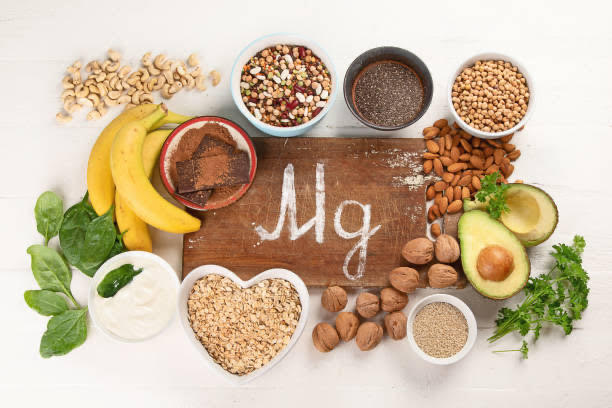
HAVING ANXIETY? OR RATHER MAGNESIUM DEFICIENCY? 

Feelings of intense fear, uneasiness or nervousness can not only stem from particular events or situations, but they can also occur without a single identifiable source. 

Since anxiety is so common, it’s not surprising that people often turn to a variety of methods to deal with it.

There is so much more to this apart from just prescribing medications and psychotherapy. 

Did you know that certain nutrients play a key role in regulating our nervous system by enabling optimum function of our brain cells?

One of the most important elements is Magnesium. 

Magnesium is one of the most common minerals found in the body. Yet it is not uncommon for many adults to get less than they need from diet alone. While a true deficiency tends to be rare, estimates suggest that as much as 48% of adults get less than the recommended amounts each day.

Given its role in functions ranging from energy levels to homeostasis to brain health, it is perhaps not unexpected that deficiencies in the mineral have been implicated in mental health concerns.

From a neurological standpoint, magnesium plays an essential role in nerve transmission and neuromuscular conduction. 

It also functions in a protective role against excessive excitation that can lead to neuronal cell death. Hence it has been implicated in multiple neurological disorders. 

Magnesium serves as a blockade to the calcium channel in the NMDA receptor and must be removed for excitatory signalling to occur.

Due to these important functions within the nervous system, magnesium is a mineral of intense interest for the potential prevention and treatment of neurological disorders.

Low magnesium levels may lead to increased neurotransmission(because of calcium ions) leading to a supportive environment for overstimulation of the neurons, which can lead to oxidative damage of the cells. 

So apart from medications and psychotherapy, nutrition also plays a major role in combating this issue. 

To ensure you have enough magnesium in your diet, eat foods high in magnesium. 

Foods high in magnesium include mainly leafy greens, avocado, dark chocolate, legumes, whole grains, nuts, seeds

Other benefits of increasing magnesium in your diet include better digestion, sleep, reduced cramps and pains and lower blood pressure. 

Start your journey with the best trainers in Delhi.

Categories
Fitness Lifestyle Nutrition

DOES THE SCALE REALLY MATTER?

Many of us have experienced that moment when the number on the scale ruins your whole day. This is especially if you ate well and have been training diligently all week long. 

It’s not surprising that you might be disappointed, but there’s a lot more to weight loss than just what you see on the scale. 

The scale is just one tool of many used to document a person’s weight loss journey or overall health. Yet, many of us look to the scale as the ultimate authority.

The human body is one incredibly complex piece of machinery. Things are going in, coming out, transforming, and dissolving all the time. As a result, your weight can fluctuate throughout the day.

While a scale was designed to measure weight, it is important to remember the many things that can affect the accuracy of its readings before letting it hinder or derail momentum. 

Scales display a weight that includes lean body mass and fat, but what it doesn’t account for is how much of that displayed weight is only temporary due to sodium intake, glycogen stores, hormones, and other added water weight as well as mechanical issues and errors.

People who are familiar with the exercise world have heard the phrase “muscle weighs more than fat”. While this is not technically true because one pound of muscle is still equal to one pound of fat, what the saying is trying to convey is that muscle is more dense than fat.

If a gym goer has consistently been working with a weight training routine, the muscle gained during these routines might occupy a smaller space in the body than the fat that was lost during that time frame.

If you get stressed out because you gained weight overnight, don’t fret. Let’s look into some factors which can affect the scale a little more closely. 

1) When carbohydrates are eaten, the body can only use a certain amount of energy from them at one time. The portion that is not immediately processed is relocated to the muscles, liver, and various other organs as glycogen stores to be used when needed.

This holds water inside the muscles which adds up to the weight. 

2) In women, hormonal changes are inevitable due to the menstrual cycle. The rise and fall of estrogen and progesterone can affect the amount of fluid that is retained throughout the body. 

3) Feeling puffy and bloated after eating foods with a high sodium content is common. Sodium has an affinity toward water. So the more salt you have the more water you retain. This can be evidenced by increased weight on the scale. Swelling should subside once salt levels in the body are reduced to a normal level. 

When it comes to understanding whether it’s muscle or fat, note that muscle is hard, firm and smaller. Fat might be the same weight, but you’ll be softer and bigger. So, what matters at the end of the day is that you’re healthy and have less fat around your middle and vital organs, not what the scale says.

Start your journey with the best trainers in Delhi.

Categories
Fitness Lifestyle Nutrition

WHY SOME PEOPLE GROW MORE MUSCLE THAN YOU

You start working out with a friend, and even though you both put in equal amounts of hard work, your friend quickly progresses in the gains department.

Sounds familiar?

There are a variety of factors that determine how your body responds to exercise, and though you can’t change some of them you may be able to make them work to your advantage.

Let’s look into these a little closely

We all have a combination of different muscle fiber types, and different muscle fiber types respond better to certain activities and training styles than others.

Some of us have more type II, or fast-twitch muscle fibers (e.g., sprinters), which shine during explosive, power-driven movements.

Others have more endurance-focused type I muscle fibers (e.g., marathon runners); these respond best to high-rep, low-load exercises.

Muscle fiber composition is mostly determined by genetics. If you’re not seeing the same gains as your friend, it could be that your training style doesn’t favour your predominant muscle fiber type. So, while you can’t change your muscle fiber composition, you can train in favour of it.

We all have fast-twitch and slow-twitch muscle fibers, but genetically some people may be predisposed to have more of one than the other. And fast-twitch fibers are the ones that you need for sizable muscle growth.

Genetics play an important role in determining your body’s ability to put on muscle limitations, partly by influencing your hormonal and muscular make-up.

Anabolic hormones consist of growth hormone, estrogen, insulin and testosterone. These are key for muscle building.

Contrary to popular belief, estrogen and testosterone are both important for muscle structure and function.

Testosterone is responsible for muscle growth, while estrogen improves muscle mass and strength, as well as growing the collagen of connective tissues, such as your bones, ligaments and tendons.

Women typically produce more estrogen and less testosterone than men, which is why men often have an easier time with visible muscle growth.

Building muscle mass and definition is hard work and also requires the correct diet.

Eating enough calories and protein helps with muscle recovery and growth after a workout.

Muscle is made up of protein, and eating adequate protein after strength training is essential to limit muscle protein breakdown and assist with muscle synthesis.

The way you train also plays a major role in how fast you can build muscle.

There are two types of muscular hypertrophy, known as myofibrillar hypertrophy and sarcoplasmic hypertrophy. Myofibrillar hypertrophy focuses on building strength, while sarcoplasmic hypertrophy increases the volume of sarcoplasmic fluid within the muscle to make it look bigger(post-workout pumps).

If stronger or bigger muscles are an important goal for you, dialling in on your daily caloric intake, meeting your protein goals, and adhering to a purposeful strength training program will help improve your chances.

So muscle-building abilities vary from person to person. That said, it’s important to understand the big picture because it doesn’t begin and end with your genetics.

You may have a genetic profile similar to that of a professional athlete, but if you don’t put in the work, you’ll never learn your actual potential.

Start your journey with the best trainers in Delhi.

Categories
Fitness Lifestyle

FIX YOUR SLEEP

Diet, exercise, and sleep are three pillars of a healthy life. While improving just one of these lifestyle factors can help people lead longer lives, improving all three may be a better way to improve both physical and mental health.

Sleep offers the body and brain time to restore and recover, affecting nearly every tissue in the body.

This includes muscle as well.

Sleep gives your body time to recover, conserve energy, and repair and build up the muscles worked during exercise.

When we get enough good quality sleep, the body produces growth hormones. Growth hormone is essential for athletic recovery.

Apart from this, without enough sleep, people tend to overeat and choose unhealthy foods.

Sleep deprivation affects the body’s release of ghrelin and leptin, two neurotransmitters that tell our brain when to consume calories.  People who are sleep deprived are more drawn towards high-calorie foods.

Chronic sleep loss has been linked to having a larger waist circumference, and an increased risk of obesity.

So how do we improve it?

1. GET SOME SUN IN THE MORNING! – Light is the principal control of our day-night cycle, influencing everything from body temperature to metabolism to sleep. When light enters the eye, it is sensed by a special group of cells on the retina, which is carried to the brain and interpreted as information about the time of day. The brain then sends signals throughout the body to control organs and other systems by that time of day. This sets a timer for melatonin release 16 hours later. When exposed to only natural light, a person’s circadian rhythm becomes closely synchronized with sunrise and sunset, staying awake during the day and sleeping when it’s dark.

1. MOVE MORE! -Physical activity creates more adenosine in the brain, and adenosine makes us feel sleepy. Aerobic exercise causes the body to release endorphins. These chemicals can create a level of activity in the brain that keeps some people awake. These individuals should exercise at least 1 to 2 hours before going to bed, giving endorphin levels time to wash out and “the brain time to wind down.

1. KEEP A CONSISTENT EATING SCHEDULE-  Timing your food intake plays a critical role in regulating your sleep-wake cycle. Not only this, but the type of food you consume also affects your sleep. For example, foods containing tryptophan (an amino acid) can help synthesise serotonin and melatonin – and may help to promote sleep. Caffeine is a stimulant and can hurt your sleep by making it harder for you to fall asleep. This delay in getting to sleep can shorten your overall sleep time.

If you want to optimize your health or lose weight, getting a good night’s sleep is one of the most important things you can do.

Start your journey with the best trainers in Delhi.