
Oddsfitness

Personal Fitness and Strength Trainer at Home in Delhi NCR
Categories
Fitness Nutrition

IS KETOGENIC DIET THE BEST DIET FOR CARB INTOLERANT PEOPLE?

In recent years, the ketogenic diet has gained immense popularity as a weight loss and health improvement strategy. One of the key selling points of this diet is its low-carbohydrate approach, making it seem like an ideal choice for people who struggle with carbohydrate intolerance. But is the ketogenic diet truly the best option for individuals with carb intolerance?

Before we dive into the ketogenic diet, it’s crucial to grasp the concept of carbohydrate intolerance.

Individuals with lactose intolerance cannot properly digest lactose, a sugar found in milk and dairy products.

Some people cannot absorb fructose efficiently, leading to digestive discomfort when consuming foods high in fructose

Gluten intolerance affects those with celiac disease, causing an adverse immune response when gluten, a protein found in wheat, barley, and rye, is ingested.

This metabolic condition impairs the body’s ability to utilize glucose effectively, resulting in elevated blood sugar levels.

Certain forms of IBS may involve carb intolerance, particularly related to fermentable carbohydrates called FODMAPs.

The ketogenic diet is characterized by an extremely low carbohydrate intake, typically consisting of 5-10% of total daily calories. Instead, it emphasizes high-fat consumption, with around 70-75% of daily calories coming from fats, and moderate protein intake.

A significant advantage of the ketogenic diet is its ability to stabilize blood sugar levels. By minimizing carb intake, it reduces the need for insulin, which can benefit those with insulin resistance.

Many individuals with carbohydrate intolerance struggle with weight management. The ketogenic diet’s focus on fat as the primary energy source may aid weight loss and improve body composition.

For some, limiting carbohydrates can alleviate digestive discomfort associated with conditions like IBS, as fewer fermentable carbohydrates are consumed.

The ketogenic diet restricts various food groups, potentially leading to nutritional deficiencies if not carefully planned. For instance, individuals with lactose intolerance might miss out on essential calcium sources.

1. The strict nature of the ketogenic diet can make it challenging to maintain over the long term. Many people find it difficult to adhere to such low-carb restrictions indefinitely.

Transitioning into ketosis, the state where the body burns fat for fuel, can lead to the “keto flu” with symptoms like fatigue, headaches, and nausea. This may not be suitable for everyone.

While the ketogenic diet can offer benefits for carb-intolerant individuals, it’s not a one-size-fits-all solution. Before embarking on this dietary approach, individuals should consult with a healthcare professional to determine if it aligns with their specific condition and goals.

It’s also essential to approach the diet with a focus on balanced nutrition to prevent potential deficiencies.

2. Ultimately, the best diet for carb-intolerant people varies from person to person. Some may find success with a well-planned ketogenic diet, while others might benefit from alternative low-carb or carb-modified diets that better suit their individual needs and preferences.

Personalization and professional guidance are key factors in achieving dietary success while managing carbohydrate intolerance.

Start training with the best trainers in Delhi

Categories
Fitness Nutrition

QUANTUM HEALTH HABITS

In a world driven by technological advancements and scientific discoveries, the concept of quantum health habits may seem like something out of a sci-fi novel. However, it’s not as far-fetched as it sounds. Quantum health habits are a revolutionary approach to well-being that harness the principles of quantum physics to transform the way we think about our health and vitality. In this article, we’ll explore what quantum health habits are and how they can revolutionize your life.

Understanding Quantum Health Habits

Before delving into the specifics, let’s grasp the fundamental idea behind quantum health habits. Quantum physics, a branch of science that studies the behavior of matter and energy at the smallest scales, has provided us with groundbreaking insights into the nature of reality. One of these insights is that everything is interconnected, and our thoughts and intentions have a direct impact on our physical reality.

Quantum health habits draw upon this interconnectedness, suggesting that our mental and emotional states play a vital role in our overall health. These habits focus on fostering a positive mindset, emotional well-being, and holistic approaches to wellness.

Quantum health habits emphasize the importance of setting positive intentions for your well-being. Your thoughts and intentions can influence your health on a quantum level. By cultivating a mindset of healing and vitality, you can potentially activate positive changes in your body.

Recognizing the deep connection between your mind and body is essential in quantum health. Stress, negative emotions, and limiting beliefs can negatively impact your physical health. Practices like mindfulness meditation and yoga help align your mind and body for optimal well-being.

  1. Energy Healing and Vibrational Medicine:Quantum health habits explore energy healing modalities, such as Reiki and acupuncture, which work on the principle that the body has an energy field that can be balanced for better health. Vibrational medicine, which uses frequencies to influence health, is also part of this approach.
  2. Nutrition as Energy:Quantum health extends to your diet. It suggests that the energy and intention behind the food you consume can affect your health. Choosing nutrient-dense, energetically vibrant foods can enhance your well-being.
  3. Emotional Release and Healing:Letting go of past emotional baggage is another key component. Quantum health habits encourage practices like forgiveness, gratitude, and emotional release to create a positive emotional environment within yourself.
  4. Quantum health habits emphasize a holistic approach to well-being, addressing physical, mental, emotional, and spiritual aspects of your life. Balancing all these facets contributes to your overall health.

Now that we’ve explored the principles of quantum health habits, let’s look at how you can implement them in your life:

Regularly practice mindfulness meditation and visualize yourself in a state of perfect health.

Use positive affirmations to shift your mindset toward health and vitality.

Explore energy healing modalities like Reiki or acupuncture to balance your body’s energy.

Choose whole, nutrient-dense foods and focus on the intention behind your meals.

Engage in practices like journaling, therapy, or forgiveness exercises to release emotional blockages.

Implement a holistic self-care routine that includes exercise, mental health practices, and relaxation techniques.

Quantum health habits represent a paradigm shift in our approach to well-being. They remind us that our thoughts, emotions, and intentions are powerful forces that can shape our health and quality of life. By adopting these habits and embracing the interconnectedness of our mental, emotional, and physical states, we open the door to a new dimension of well-being that goes beyond the ordinary and into the quantum realm of possibility.

Categories
Fitness Nutrition

HUMAN BODY RUNS ON ELECTRONS

The human body is a marvel of biological engineering, with its intricate systems working tirelessly to keep us alive and functioning. 

While we often think of our bodies as being powered by food and oxygen, there’s another essential force at play: electron charge. In this article, we’ll explore the electrifying truth behind how the human body runs on electron charge.

Before diving into how our bodies utilize electron charge, let’s briefly understand what electron charge is. At its core, electron charge refers to the electrical charge carried by electrons, which are subatomic particles found in atoms. 

Electrons can carry either a negative (-) charge, while protons, found in the nucleus of atoms, carry a positive (+) charge. This fundamental electrical charge plays a vital role in the workings of the human body.

One of the most well-known examples of electron charge in the human body is the way our nervous system functions. Neurons, the building blocks of the nervous system, transmit information through electrical signals. 

This process relies on the movement of charged ions, such as sodium (Na+), potassium (K+), and calcium (Ca2+), across the neuron’s cell membrane.

When a neuron receives a signal, it allows positively charged ions (e.g., Na+) to flow into the cell, leading to a change in its electrical charge. This creates an electrical potential that travels along the neuron, allowing the signal to propagate rapidly. 

Once the signal reaches its destination, more ions are involved in transmitting the message to other cells, such as muscles or other neurons. 

In essence, these electrical signals are the language of the nervous system, enabling our bodies to react to stimuli and perform complex tasks.

Electron charge also plays a crucial role in muscle contractions. 

When our brain sends a signal to our muscles to contract, it does so by sending electrical impulses through motor neurons. These impulses trigger the release of calcium ions inside muscle cells, which, in turn, initiates a series of chemical reactions leading to muscle contraction. 

This entire process is underpinned by electron charge, as ions are charged particles that carry the electrical signals necessary for muscle function.

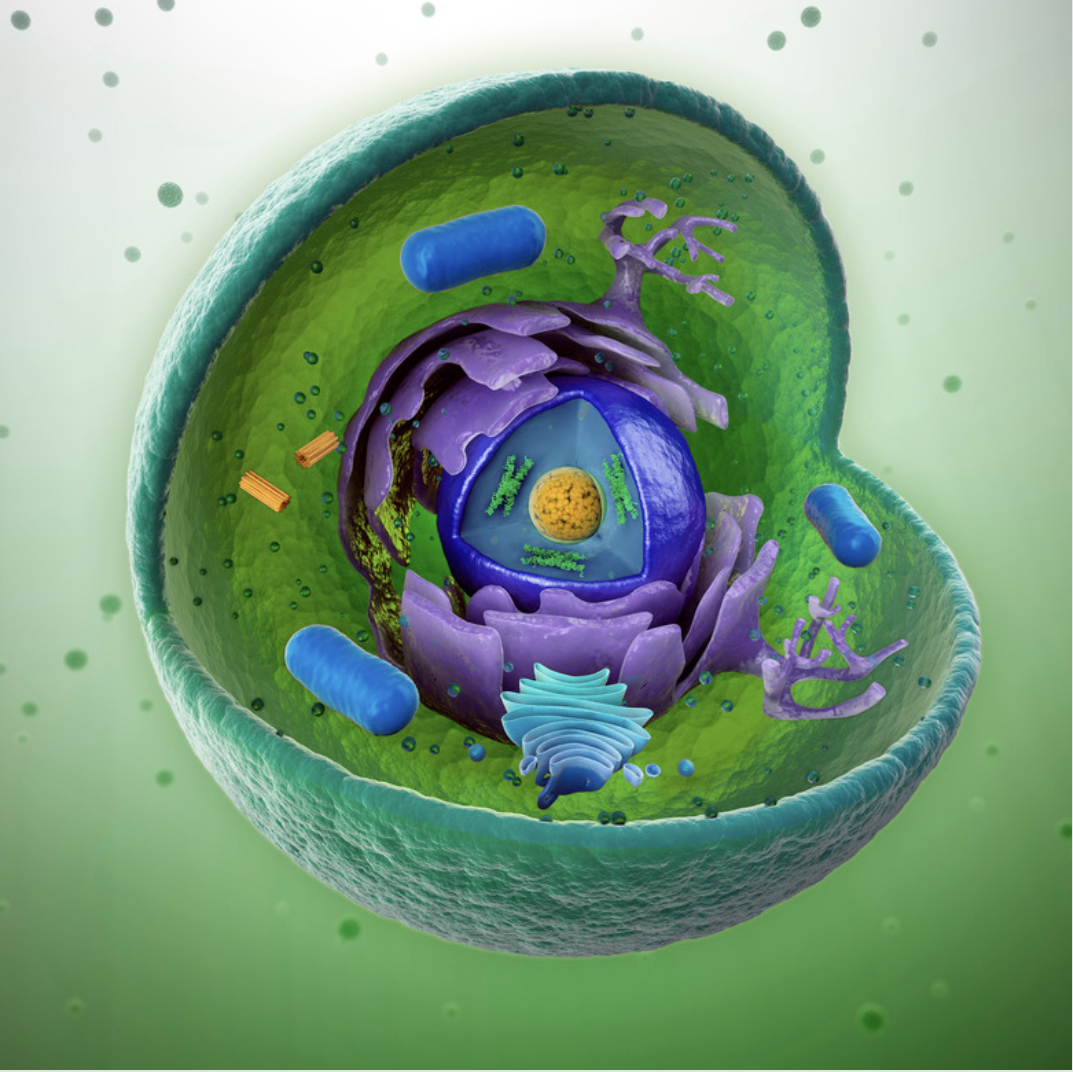
Electron charge is central to the process of energy production within our cells. In the mitochondria, often referred to as the “powerhouses” of the cell, electrons are shuttled through a series of protein complexes along the electron transport chain. 

This movement of electrons generates an electrochemical gradient that drives the production of adenosine triphosphate (ATP), the primary molecule that stores and transfers energy within cells. Without electron charge, this vital process would come to a halt, leaving our cells devoid of the energy needed for various functions.

In summary, while we may not be aware of it on a daily basis, the human body relies heavily on electron charge for its proper functioning. 

From the transmission of electrical signals in our nervous system to muscle contractions and cellular energy production, electrons and charged ions are indispensable to our existence. 

Understanding this electrifying truth sheds light on the intricacies of our physiology and highlights the remarkable ways in which our bodies harness the power of electron charge to keep us alive and well.

Categories
Fitness Nutrition

THYROID DISORDER DUE TO MITOCHONDRIAL DYSFUNCTION

The human body is a complex network of interconnected systems, each relying on the other for optimal function. Among these, the thyroid gland plays a vital role in regulating metabolism, energy production, and overall health. 

However, when mitochondrial dysfunction occurs, it can have a profound impact on thyroid function, leading to various thyroid disorders.

Mitochondria are often referred to as the “powerhouses of cells” because they are responsible for generating the majority of the body’s energy in the form of adenosine triphosphate (ATP). 

These tiny organelles play a critical role in the production of ATP through oxidative phosphorylation, a process that relies on the transfer of electrons along the mitochondrial respiratory chain.

Mitochondrial dysfunction occurs when these organelles fail to function properly. This can happen due to genetic mutations, environmental factors, or simply as a result of aging. 

When mitochondria are unable to produce ATP efficiently, it has far-reaching consequences for various bodily functions, including the thyroid gland.

The thyroid gland, located in the neck, is responsible for producing thyroid hormones, primarily thyroxine (T4) and triiodothyronine (T3). These hormones play a crucial role in regulating metabolism, body temperature, and energy expenditure. To produce these hormones, the thyroid gland relies on a steady supply of ATP, which is generated by mitochondria.

When mitochondrial dysfunction occurs, it can disrupt the thyroid gland’s ability to produce and release thyroid hormones. Several mechanisms contribute to this disruption.

Mitochondrial dysfunction results in reduced ATP production, which the thyroid gland requires for hormone synthesis and secretion.

Dysfunctional mitochondria produce higher levels of reactive oxygen species (ROS), leading to oxidative stress. Oxidative stress can damage thyroid cells and impair hormone production.

Mitochondrial dysfunction is associated with increased inflammation, which can further disrupt thyroid function.

T4 is converted into the more active T3 in various tissues, including the liver and skeletal muscles. Mitochondrial dysfunction can impair this conversion, leading to inadequate T3 levels.

One common thyroid disorder associated with mitochondrial dysfunction is hypothyroidism. In this condition, the thyroid gland fails to produce sufficient thyroid hormones, leading to symptoms such as fatigue, weight gain, and cold intolerance. 

Mitochondrial dysfunction exacerbates these symptoms by reducing the energy available to the body.

Addressing thyroid disorders in individuals with mitochondrial dysfunction requires a multi-faceted approach.

Strategies to support mitochondrial health through nutrition, exercise, and supplements may be beneficial.

In cases of severe thyroid dysfunction, synthetic thyroid hormone medications may be prescribed.

Antioxidants can help mitigate oxidative stress associated with mitochondrial dysfunction.

Lifestyle changes and anti-inflammatory medications may help reduce inflammation.

In conclusion, mitochondrial dysfunction can significantly impact thyroid function, leading to thyroid disorders such as hypothyroidism. 

Understanding the intricate relationship between mitochondria and the thyroid gland is crucial for effective diagnosis and treatment. 

A holistic approach that addresses both mitochondrial health and thyroid function is essential for managing these conditions and improving overall well-being.

Categories
Fitness Nutrition

PUT AN END TO THE BINGEING

Are you one of those people who follow their plans diligently throughout the week but find yourself going on a massive binge on the weekend?

If you struggle with blood sugar imbalance through the week this is sure to happen. Here are 4 ways in which you can curb your binging cycle right now.

GULP DOWN A PROTEIN SHAKE!

Protein is not just an essential macronutrient important for recovery and muscle but it also reduces ghrelin, a hormone responsible for hunger along with boosted levels of peptide YY, a hormone that makes you feel full for a longer period of time.

STAY HYDRATED!

Our body sometimes misinterprets thirst for hunger. When you are not drinking enough water, there are chances that you may feel like having food frequently. This adds up to unnecessary extra calories making you gain weight even more.

DO NOT SKIP MEALS!

If you plan to have a higher than usual calorie dinner on weekends, still keep some small healthy snacks during the day. This will keep your blood sugar levels balanced and prevent you from over eating at night.

FIND WAYS TO DESTRESS!

Stress eating is real. How many times have you found yourself having a tub of ice cream whenever you feel sad? Instead of turning to food to reduce stress, explore activities to beat this stress like exercising, going for a walk in nature and finding a hobby that makes you happy and avoid mindless eating.

Categories
Fitness Nutrition

MINI-CUTS FOR FAT LOSS AND MUSCLE GAIN

Mini cuts are short-term periods of calorie restriction strategically incorporated into a fitness regimen with the goal of achieving body recomposition.

Mini cuts allow individuals to shed excess body fat while minimizing muscle loss. Unlike traditional prolonged cutting phases, which can lead to significant muscle depletion, mini cuts prioritize muscle retention.

By periodically reducing calorie intake, mini cuts can prevent metabolic adaptation, which often occurs during prolonged calorie deficits. This means the metabolism remains more responsive, making it easier to continue making progress.

Mini cuts can enhance insulin sensitivity, which is crucial for better nutrient partitioning. This means your body becomes more efficient at utilizing carbohydrates for energy rather than storing them as fat.

Mini cuts provide a sense of control and structure to a fitness journey. Knowing there’s a short-term focus on fat loss can help individuals stay motivated and committed to their long-term goals.

When individuals hit a plateau in their fat loss journey, a well-executed mini cut can help kickstart progress again. It can reset the body’s response to calorie intake, making it more receptive to subsequent phases of muscle building or maintenance.

A mini cut, in essence, is a focused phase of calorie restriction designed to promote fat loss while maintaining muscle mass. Unlike traditional, more extended cutting phases that can span several months, mini cuts are relatively short, typically ranging from 2 to 6 weeks. 

This key difference sets them apart; mini cuts are strategically brief and intense interventions within a broader fitness regimen.

Before embarking on a mini cut, it’s paramount to establish clear, measurable goals. Whether your aim is to shed those last few pounds of stubborn fat or reset your metabolism after a bulking phase, having well-defined objectives will guide your approach. 

These goals will serve as a compass throughout the mini cut, ensuring that you stay on track and remain motivated to achieve your desired results.

Mini cuts aren’t a one-size-fits-all solution. They’re best suited for individuals who have already built a solid foundation of muscle and are seeking a balanced approach to body recomposition. 

Ideal candidates include experienced lifters and athletes who are looking to trim excess body fat without sacrificing their hard-earned muscle mass. It’s also essential to consider your overall health and fitness goals. 

Mini cuts can be incorporated strategically into your journey when needed, but they might not be suitable for everyone. Knowing when and how to implement them is a key factor in their success.

One of the fundamental aspects of a successful mini cut is establishing a realistic timeframe. Mini cuts are inherently shorter in duration compared to traditional cutting phases, typically lasting a few weeks. 

This brief period of calorie restriction serves the purpose of initiating fat loss while preserving muscle. Setting a reasonable timeframe is crucial because it prevents extreme caloric deficits, which can be detrimental to muscle retention and overall health. 

It strikes a balance between achieving results and ensuring that the process remains sustainable and healthy.

Before embarking on a mini cut, it’s essential to determine your maintenance calories, which represent the number of calories required to maintain your current weight. From there, you can calculate the appropriate caloric deficit to achieve your fat loss goals. 

This typically involves consuming fewer calories than your maintenance level, but it’s vital to maintain a deficit that is both effective for fat loss and safe for your body.

The composition of your diet during a mini cut plays a significant role in its success. 

Macronutrients – protein, carbohydrates, and fats – have distinct functions. Protein is essential for muscle preservation, carbohydrates provide energy, and fats are crucial for overall health. Balancing these macronutrients is key, as it ensures that you have the energy to perform workouts and the nutrients needed to preserve lean muscle mass.

Meal planning and tracking are valuable tools to stay on course during a mini cut. Preparing meals in advance and having a structured eating plan can help you stick to your calorie and macronutrient targets. 

Additionally, tracking your food intake and monitoring your progress with tools like food diaries or apps can provide valuable insights into how well you’re adhering to your mini cut plan. 

Consistency and precision in your nutrition are often the keys to success in achieving your desired body composition during a mini cut.

Resistance training is the cornerstone of muscle preservation during a mini cut. When you reduce your calorie intake to shed fat, there’s a risk of muscle loss. However, engaging in resistance training sends a powerful signal to your body to maintain muscle mass. It stimulates muscle protein synthesis and helps prevent muscle catabolism. 

Therefore, a well-structured workout routine that incorporates compound exercises like squats, deadlifts, bench presses, and pull-ups is essential during a mini cut.

Progressive overload is paramount in a mini cut as it ensures your muscles continue to adapt and grow despite a calorie deficit. As you progress through your mini cut, aim to gradually increase the weight, reps, or sets in your resistance training to stimulate muscle growth. This approach will help you maintain and even build muscle while losing fat.

Categories
Fitness Nutrition

SMITH MACHINE VS BARBELL SQUATS: WHICH IS BETTER?

The age-old debate of barbell squats versus Smith machine squats has left fitness enthusiasts divided, each advocating for their preferred exercise.

Both exercises target the lower body and contribute to overall strength and muscle development, but they differ in terms of mechanics, muscle activation, and safety considerations.

In this comprehensive analysis, we delve into the kinesiological aspects of these two squat variations to determine which exercise reigns supreme.

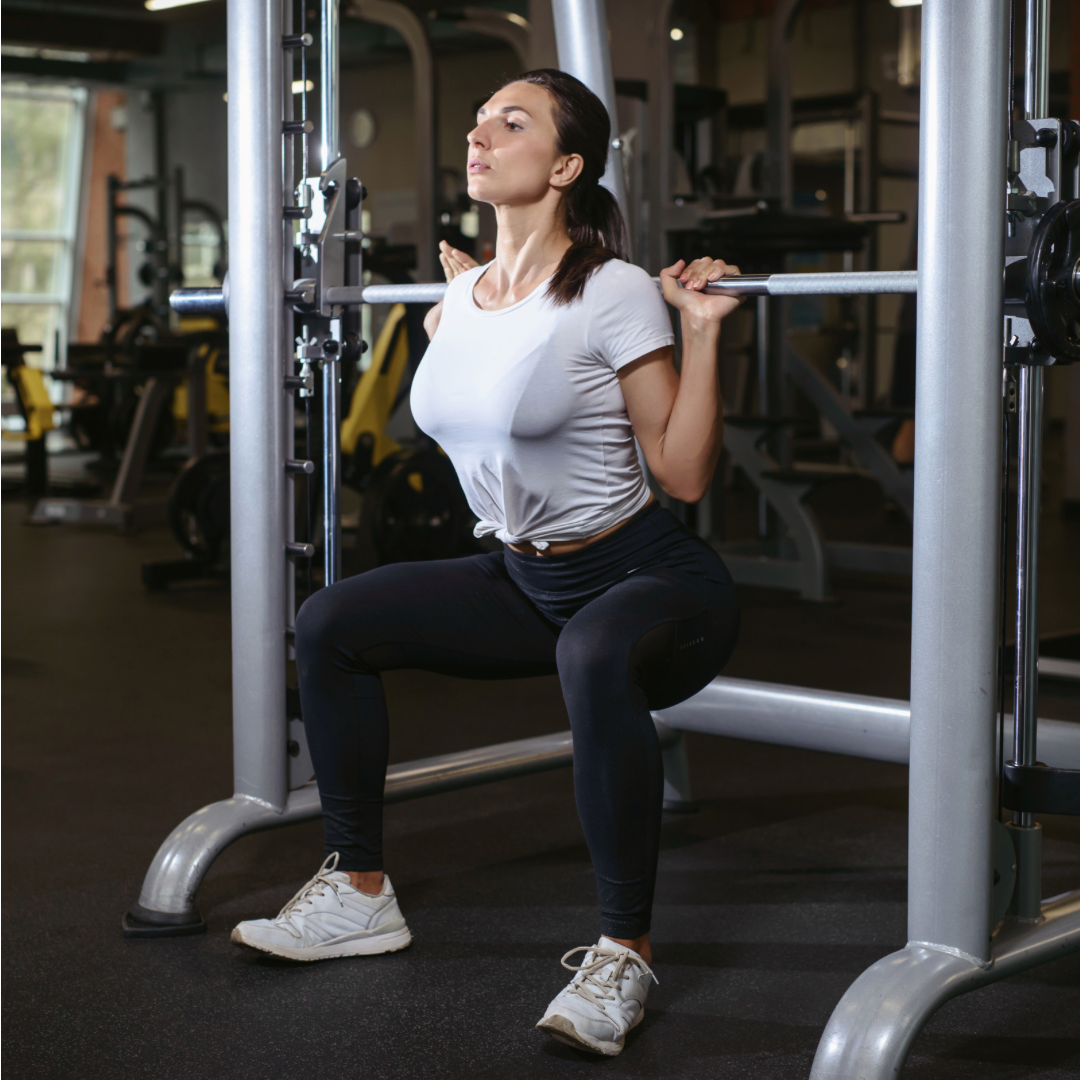
Barbell squats are considered a compound exercise that engages multiple muscle groups. The mechanics of barbell squats demand the recruitment of various muscles, including the quadriceps, hamstrings, glutes, lower back, and core. The free movement of the barbell requires greater stability and balance, activating stabilizer muscles throughout the body. The natural bar path forces the lifter to maintain proper form, leading to functional strength development.

The Smith machine squat involves using a guided barbell within a fixed vertical plane. While it may seem to mimic the barbell squat, the Smith machine’s fixed movement restricts the recruitment of stabilizer muscles.

This isolation of movement can lead to muscle imbalances and reduced functional strength gains. The guided bar can also alter the lifter’s natural biomechanics, potentially leading to suboptimal movement patterns.

Barbell squats require the lifter to stabilize the bar and maintain balance throughout the movement. This results in a higher degree of muscle activation, particularly in the stabilizer muscles of the core and lower back.

The need to stabilize the load also engages the glutes and hamstrings more effectively, leading to well-rounded lower body development.

Due to the guided nature of the Smith machine squat, the lifter relies less on stabilizer muscles. Consequently, muscle activation in the core, lower back, and surrounding stabilizers is reduced.

While the quadriceps remain a primary muscle worked, the limited range of motion and decreased stabilizer engagement may hinder overall muscle development.

Performing barbell squats requires good technique and proper form to prevent injury. However, the need to balance the bar strengthens stabilizer muscles and improves joint stability, leading to enhanced overall functional strength.

Learning the correct form is essential, and it’s advisable to start with lighter weights to master the movement.

The Smith machine offers a guided movement that may provide an illusion of safety, as it reduces the need for balancing the bar. However, the fixed bar path can lead to unnatural movement patterns, potentially placing excess stress on joints.

Moreover, the lack of stabilizer engagement might result in weaker core and back muscles, which are crucial for injury prevention in other activities.

Based on kinesiological principles, barbell squats emerge as the superior choice for overall strength and muscle development. The recruitment of stabilizer muscles and the necessity for balance during the movement make barbell squats a more functional exercise. Additionally, the engagement of core muscles and improved joint stability contribute to injury prevention in other activities.

While the Smith machine squat has its merits, particularly for individuals with limited mobility or recovering from injuries, it falls short in providing the comprehensive muscle activation and functional strength gains that barbell squats offer.

The restricted movement pattern and reduced stabilizer engagement hinder its potential benefits.

Incorporating both exercises strategically can also be beneficial. For example, beginners or individuals with physical limitations can use the Smith machine as a transitional step to develop strength and confidence before progressing to barbell squats.

However, it’s crucial to prioritize proper form, regardless of the chosen exercise, to maximize benefits and minimize the risk of injury.

In the eternal debate of barbell squats versus Smith machine squats, kinesiological insights provide a clear direction. The functional strength, muscle activation, and injury prevention benefits associated with barbell squats make them a superior choice for most individuals seeking comprehensive lower body development. While the Smith machine has its place, it should be approached with caution, and its limitations should be recognized. Remember, the key to success lies not only in the chosen exercise but in the commitment to proper form and consistent training.

Categories
Fitness Nutrition

DOES SWEATING MEAN MORE FAT LOSS?

In the pursuit of fitness and weight loss, there are numerous myths and misconceptions that often cloud our understanding of what truly works. One such prevalent myth is the belief that sweating equates to fat loss. Many people have been led to believe that the more they sweat during workouts, the more fat they are burning.

This misconception has become ingrained in popular culture, leading some to judge the effectiveness of their exercise based on how much they perspire.

However, it’s essential to debunk this myth and gain a clear understanding of the relationship between sweating and fat loss.

By dispelling this misconception, we aim to empower individuals to adopt evidence-based approaches to their fitness journey and make informed choices that will lead them to achieve their goals effectively.

Before we dive into the specifics, it’s crucial to highlight the significance of addressing fitness myths. Misinformation can hinder progress and lead to disappointment when individuals do not see the desired results they were hoping for.

Sweating, while an important physiological response, is not the ultimate determinant of fat loss. By clarifying this misconception, we can shift our focus toward more effective strategies, leading to healthier lifestyles and sustainable fitness outcomes.

Sweating is a natural physiological process that helps regulate the body’s temperature. The human body is equipped with millions of sweat glands, primarily located in the skin, and they play a vital role in maintaining a stable internal temperature. When the body’s core temperature rises due to various factors such as physical activity, environmental heat, or fever, the brain’s thermoregulatory center signals the sweat glands to release moisture onto the skin’s surface.

As the sweat evaporates from the skin, it takes away heat with it, cooling the body down. This cooling effect is crucial in preventing overheating, especially during intense physical activities or exposure to high temperatures. Sweating also aids in maintaining homeostasis, a state of equilibrium within the body necessary for optimal functioning.

Despite its important role in regulating body temperature, sweating is not directly related to fat loss. The misconception stems from the idea that sweating profusely during exercise signifies burning more fat. However, this belief is based on a misunderstanding of the mechanisms involved in fat metabolism.

Fat loss occurs when the body is in a caloric deficit, meaning that it burns more calories than it consumes. In this state, the body turns to its fat stores as an energy source. The breakdown of fat molecules produces energy, leading to the gradual reduction of body fat over time.

While exercise can contribute to fat loss by increasing the body’s overall energy expenditure, sweating itself does not burn fat. Sweating is merely the body’s way of cooling down, and the amount of sweat produced is influenced by various factors, including ambient temperature, humidity, individual metabolism, and hydration levels.

Relying on sweating as a sole indicator of fat loss can be misleading and counterproductive in achieving long-term fitness goals.

Instead, focusing on a balanced approach to diet, exercise, and overall lifestyle changes will yield more sustainable and effective fat loss results.

Fat loss is a complex process influenced by various factors, including metabolism, caloric intake, and energy expenditure. To achieve sustainable fat loss, one must create a calorie deficit by either consuming fewer calories or increasing physical activity.

When the body experiences a caloric deficit, it begins to tap into its energy reserves, primarily stored in fat cells, to meet its energy demands.

Metabolism plays a crucial role in the fat loss process. Metabolic rate refers to the number of calories the body burns to maintain basic bodily functions and perform daily activities. Individuals with a higher metabolic rate tend to burn more calories at rest, making it easier for them to achieve fat loss.

While sweating is not directly related to fat loss, it can be influenced by several factors. Environmental conditions, such as temperature and humidity, play a significant role in the amount of sweat produced during physical activity. In hot and humid environments, the body sweats more to cool down, even during light exercise.

Physical activity intensity and duration also impact sweating. Engaging in vigorous exercise for an extended period can lead to more sweating than low-intensity activities. Additionally, individual differences, such as age, fitness level, and genetics, can influence the rate and amount of sweating.

Categories
Fitness Nutrition

TIMING YOUR EXERCISE WHILE FASTING

Fasting and exercise are two powerful practices that have been used for centuries to promote health, boost energy, and improve overall well-being. While they can be effective independently, combining fasting with exercise can yield even more significant benefits. 

However, timing is crucial when it comes to exercising while fasting to ensure you maximize the advantages while avoiding potential pitfalls.

Fasting involves abstaining from food for a specific period, allowing the body to enter a state of metabolic change. There are various fasting methods, including intermittent fasting, time-restricted eating, and extended fasting, each with its own unique fasting and eating windows.

Intermittent fasting typically alternates between periods of fasting and eating, while time-restricted eating restricts eating to a specific window each day. 

Extended fasting, on the other hand, involves fasting for multiple days at a time. Fasting has been associated with numerous health benefits, including improved insulin sensitivity, enhanced brain function, weight loss, and cellular repair.

When exercise is combined with fasting, several synergistic benefits can arise, making it a popular approach among health enthusiasts and athletes. Some of the key advantages include

During fasting, your body’s glycogen stores become depleted, prompting it to rely on stored fat for energy. When you exercise in this state, your body is more likely to burn fat as a fuel source, aiding in weight loss and fat reduction.

Fasting has been shown to boost the production of human growth hormone (HGH), which plays a vital role in muscle growth, repair, and overall recovery. When coupled with exercise, the effects of HGH can be further amplified.

Both fasting and exercise independently enhance insulin sensitivity, but their combined effects can be even more powerful. Increased insulin sensitivity helps your body utilize glucose more efficiently, reducing the risk of type 2 diabetes and other metabolic disorders.

Fasting triggers autophagy, a cellular process that removes damaged cells and promotes cellular renewal. Exercise can further enhance this process, leading to improved cellular health and longevity.

While exercising during fasting can offer numerous benefits, it’s crucial to time your workouts thoughtfully to avoid potential negative consequences.

Different fasting methods suit various individuals based on their lifestyle, goals, and medical considerations. Intermittent fasting with shorter fasting windows (e.g., 16:8) may be more suitable for moderate exercise, while longer fasting windows might be better suited for light activities during extended fasting.

Pay close attention to your body’s signals and adjust your exercise routine accordingly. While some people might feel energized and motivated to engage in intense workouts during fasting, others may prefer gentler activities like yoga or walking.

The timing of your exercise can significantly impact your fasting experience. During intermittent fasting, consider working out towards the end of your fasting window, as this allows your body to maximize fat burning. 

For time-restricted eating, exercising shortly before breaking your fast can help refuel your body appropriately.

Staying hydrated is crucial when fasting and exercising. Make sure to drink sufficient water before, during, and after your workout to prevent dehydration and maintain performance.

 While exercising during fasting can be beneficial, avoid pushing yourself to the limits or engaging in high-intensity workouts if you’re not accustomed to it. 

Fasting may temporarily reduce your exercise performance, so focus on moderate activities and gradually increase intensity over time.

After your workout and during your eating window, prioritize nutrient-dense foods that aid in muscle recovery and replenishing glycogen stores. 

Incorporate a balanced meal with protein, healthy fats, and complex carbohydrates to support your body’s needs.

The type of exercise you choose to engage in during fasting can significantly impact your experience and results. Here are some exercise options that are well-suited for fasting

Walking is a low-impact activity that can be easily incorporated into your fasting routine. It can aid in fat burning without placing excessive stress on the body.

Yoga and stretching exercises can help improve flexibility, balance, and overall well-being. They are particularly useful during fasting, as they promote relaxation and mindfulness.

If you prefer cardiovascular exercises, opt for moderate-intensity activities like jogging, cycling, or swimming. These activities can enhance fat burning without pushing your body to extreme levels.

 Bodyweight exercises like push-ups, squats, and lunges can be performed at a pace that suits your fasting state. They help maintain muscle mass and improve strength.

Incorporating resistance training with weights or resistance bands can be beneficial for maintaining muscle mass and supporting metabolic health during fasting.

When done correctly, timing your exercise during fasting can amplify the benefits of both practices. Be mindful of the fasting method you choose, listen to your body’s signals, and select exercises that suit your fitness level and fasting state.

Remember that each person’s response to fasting and exercise is unique, so it’s essential to experiment and find what works best for you. 

Always consult with a healthcare professional or fitness expert before starting any fasting or exercise program, especially if you have pre-existing health conditions.

With proper timing and a balanced approach, exercising while fasting can become a rewarding and transformative experience, supporting your journey towards improved physical, mental, and emotional well-being.

Categories
Fitness Nutrition

SHOULD YOU GO VEGAN?

With the rising awareness of ethical and environmental concerns, the popularity of veganism has surged in recent years. 

Veganism is a dietary and lifestyle choice that excludes all animal products. This means avoiding meat, poultry, fish, dairy, eggs, and even products derived from animals such as honey. Instead, a vegan diet primarily consists of fruits, vegetables, whole grains, legumes, nuts, and seeds.

A well-planned vegan diet can be rich in essential nutrients such as vitamins C and E, fiber, folate, magnesium, and potassium. Fruits, vegetables, whole grains, and legumes are excellent sources of these vital nutrients, which are essential for overall health and well-being.

Numerous studies have shown that a well-balanced vegan diet can reduce the risk of chronic diseases. Plant-based diets have been associated with a lower risk of heart disease, high blood pressure, type 2 diabetes, and certain types of cancer. 

The high fiber content of plant-based foods, coupled with their lower levels of saturated fat and cholesterol, contribute to these health benefits.

A vegan diet can also be helpful for weight management. Plant-based diets tend to be lower in calories and higher in fiber, which can promote feelings of fullness and satiety. Additionally, vegan diets often lead to lower body mass indexes (BMI) and reduced risk of obesity compared to non-vegan diets.

Plant-based diets are typically high in fiber, which acts as a prebiotic, nourishing the beneficial bacteria in the gut. A healthy gut microbiome has been linked to improved digestion, stronger immune function, and a reduced risk of gastrointestinal disorders.

While a well-planned vegan diet can provide all the necessary nutrients, some nutrients are more challenging to obtain solely from plant-based sources. 

Vitamin B12, iron, calcium, iodine, omega-3 fatty acids, and zinc are nutrients that require careful attention in a vegan diet. Supplementation or fortified foods may be necessary to ensure adequate intake of these nutrients.

Plant-based protein sources, such as legumes, tofu, tempeh, seitan, and quinoa, can provide adequate protein for most individuals. However, some plant proteins may be incomplete or lower in certain essential amino acids. Combining different protein sources throughout the day can help ensure a complete amino acid profile.

A vegan diet requires careful meal planning, especially when dining out or traveling. It may be more challenging to find vegan options in certain areas or cultures. However, as veganism gains popularity, the availability and accessibility of vegan food options are steadily improving.

Every individual is unique, and what works for one person may not work for another. Some people may find it difficult to transition to a vegan diet due to personal preferences, cultural factors, or potential food sensitivities. It is important to listen to your body and make adjustments that suit your needs.

From a health perspective, a well-planned vegan diet can offer numerous benefits, including improved nutrient intake, reduced risk of chronic diseases, weight management, and better gut health. However, it is essential to consider potential nutritional deficiencies and plan meals carefully to ensure a balanced and diverse diet.

Before making any dietary changes, it is recommended to consult with a registered dietitian or healthcare professional who can provide personalized guidance based on your specific health needs and goals.

Ultimately, the decision to go vegan should be based on a comprehensive evaluation of your personal values, ethical considerations, environmental concerns, and health objectives. 

By understanding the potential benefits and challenges of a vegan lifestyle, you can make an informed decision that aligns with your individual needs and values.