
Oddsfitness

Personal Fitness and Strength Trainer at Home in Delhi NCR
Categories
Fitness Nutrition

FIX YOUR BROKEN METABOLISM

Metabolism is the process by which our body converts food into energy. It is a complex process that involves the breakdown of food into nutrients, which are then used by the body for various functions, such as growth, repair, and energy production. A slow or broken metabolism can lead to a variety of health problems, including weight gain, fatigue, and hormonal imbalances. In this blog post, we will discuss how to fix a broken metabolism, including lifestyle changes, dietary changes, and other strategies.

Understanding Metabolism

Before we discuss how to fix a broken metabolism, it is essential to understand what metabolism is and how it works. Metabolism is a complex process that involves various biochemical reactions in the body. It is divided into two categories: catabolism and anabolism.

Catabolism is the breakdown of complex molecules into simpler ones, and anabolism is the opposite process, which involves the synthesis of complex molecules from simpler ones. Both these processes are essential for the proper functioning of the body.

The rate at which your body burns calories is known as your metabolic rate. It is influenced by various factors, including age, gender, genetics, and lifestyle habits. A slow metabolism can lead to weight gain, fatigue, and other health problems.

Factors that Affect Metabolism!

There are various factors that can affect your metabolism. Some of the most important ones include as follows

As we age, our metabolism naturally slows down, leading to a reduction in the number of calories burned.

Genetics!Some people are born with a faster metabolism than others, which means they burn calories at a higher rate.

Another is hormones, which play a critical role in regulating metabolism. For example, thyroid hormones play a key role in regulating the rate at which the body burns calories.

Next lack of sleep can disrupt hormones that regulate metabolism, leading to a slower metabolic rate.

Regular exercise can help boost metabolism, as it increases the number of calories burned during the day.

Certain foods can help boost metabolism, while others can slow it down. For example, high-protein foods can help increase metabolic rate, while sugary foods can slow it down.

Chronic stress can disrupt hormones that regulate metabolism, leading to a slower metabolic rate.

If you have a broken metabolism, there are several things you can do to fix it. Here are some of the most effective strategies.

    One of the most common mistakes people make when trying to lose weight is to eat too few calories. While a calorie deficit is necessary for weight loss, eating too few calories can slow down your metabolism.

    When you eat too few calories, your body goes into starvation mode, which means it slows down its metabolic rate to conserve energy. This can lead to weight gain, as well as other health problems.

    To avoid this, make sure you are eating enough calories to support your body’s needs. Use a calorie calculator to determine how many calories you need to eat each day to maintain your weight, and then adjust your intake based on your goals.

      Protein is an essential nutrient that plays a critical role in metabolism. It is used by the body to build and repair tissues, as well as to produce enzymes and hormones that regulate metabolism. Eating a diet high in protein can help boost metabolic rate, as it increases the number of calories burned during digestion.

      Make sure to include a source of protein in every meal and snack. Good sources of protein include meat, fish, poultry, eggs, beans, and tofu.

        Strength training is an excellent way to boost metabolism, as it helps build lean muscle mass

        Categories
        Fitness Nutrition

        DIABETIC KETOACIDOSIS AND KETO DIET

        The ketogenic diet, commonly referred to as the keto diet, has become increasingly popular in recent years. This high-fat, low-carbohydrate diet is designed to help individuals lose weight and improve their overall health. 

        However, for individuals with diabetes, following a keto diet can be dangerous and lead to serious complications.

        Before we dive into the complications of a keto diet for individuals with diabetes, it is important to understand what diabetes is and how it affects the body.

        Diabetes is a chronic condition that affects how the body processes glucose, which is the primary source of energy for the body. When we eat, our body breaks down carbohydrates into glucose, which is then transported throughout the body and used for energy. 

        Insulin, a hormone produced by the pancreas, helps regulate blood sugar levels by allowing glucose to enter cells where it can be used for energy.

        In individuals with diabetes, the body either does not produce enough insulin (Type 1 diabetes) or cannot effectively use the insulin it produces (Type 2 diabetes). As a result, blood sugar levels can become too high or too low, leading to a range of complications.

        One of the most significant complications of a keto diet for individuals with diabetes is the risk of hypoglycemia. Hypoglycemia, or low blood sugar, occurs when blood glucose levels drop below a certain threshold.

        In individuals with diabetes, hypoglycemia can occur as a result of taking too much insulin or other diabetes medications, not eating enough, or exercising excessively. Following a keto diet, which involves severely restricting carbohydrate intake, can increase the risk of hypoglycemia.

        Carbohydrates are the body’s primary source of glucose, and when carbohydrate intake is limited, the body must rely on other sources of fuel, such as fat and protein. This process, known as ketosis, can lead to a reduction in blood sugar levels, particularly if an individual with diabetes is also taking insulin or other diabetes medications.

        Another potential complication of a keto diet for individuals with diabetes is the risk of ketoacidosis. Ketoacidosis is a serious condition that occurs when the body produces high levels of ketones, a byproduct of the breakdown of fat for energy.

        In individuals with diabetes, ketoacidosis can occur when blood sugar levels are consistently high and the body begins to break down fat for energy instead of glucose. 

        This can happen in individuals with Type 1 diabetes who do not produce enough insulin, as well as individuals with Type 2 diabetes who have very high blood sugar levels.

        Symptoms of ketoacidosis include nausea, vomiting, abdominal pain, confusion, and rapid breathing. If left untreated, ketoacidosis can lead to coma and even death.

        Following a keto diet can also lead to nutrient deficiencies, particularly in individuals with diabetes. Carbohydrates are an important source of many essential nutrients, including fiber, B vitamins, and minerals such as magnesium and potassium.

        When carbohydrate intake is severely restricted, as is the case with a keto diet, it can be challenging to obtain adequate amounts of these nutrients. This can be particularly problematic for individuals with diabetes, who are already at increased risk of nutrient deficiencies due to poor glucose control and other diabetes-related complications.

        A more balanced diet, which includes a variety of whole grains, fruits, and vegetables, can help ensure that individuals with diabetes are getting the nutrients they need to maintain optimal health.

        Categories
        Fitness Nutrition

        STRESS EATING AND AGING

        Stress eating and aging are two topics that have been studied extensively in recent years. As we age, our bodies undergo a number of physiological changes, and these changes can lead to an increased risk of certain health conditions. 

        Stress eating, on the other hand, is a coping mechanism that many people use to deal with stress and anxiety.

        Stress eating, also known as emotional eating, is the act of consuming food as a way to cope with stress or anxiety. When we experience stress, our bodies release cortisol, a hormone that can increase appetite and lead to overeating. 

        Stress eating is a common coping mechanism, and many people turn to comfort foods such as ice cream, pizza, and chocolate when they are feeling stressed.

        While stress eating may provide temporary relief from stress, it can have negative consequences on our physical and emotional health in the long run. 

        Overeating can lead to weight gain and obesity, which can increase the risk of a number of health conditions including diabetes, heart disease, and stroke. In addition, stress eating can lead to feelings of guilt and shame, which can contribute to further stress and anxiety.

        As we age, our bodies undergo a number of physiological changes that can increase the risk of stress eating. For example, changes in hormone levels can lead to increased stress and anxiety, which can trigger the desire to eat. 

        In addition, as we age, our bodies may become less efficient at processing food, which can lead to weight gain and an increased risk of health problems.

        Furthermore, stress eating can have a significant impact on our physical and emotional health as we age. As we get older, our bodies become less able to cope with the negative effects of stress, and this can increase the risk of a number of health problems including depression, anxiety, and cardiovascular disease. 

        In addition, stress eating can lead to weight gain and obesity, which can increase the risk of a number of health conditions including diabetes, heart disease, and stroke.

        While stress eating can be a difficult habit to break, there are a number of strategies that can help manage stress and maintain a healthy diet as we age.

        One way to manage stress eating is to practice mindful eating. Mindful eating involves paying attention to the sensations and flavors of the food you are eating, and being present in the moment while you eat. 

        This can help you enjoy your food more, and may prevent overeating by helping you tune into your body’s hunger and fullness signals.

        Regular exercise is a great way to manage stress and maintain a healthy weight as you age. Exercise releases endorphins, which can improve mood and reduce stress. In addition, exercise can help you maintain a healthy weight, which can reduce the risk of a number of health conditions.

        Getting enough sleep is essential for managing stress and maintaining a healthy diet. Lack of sleep can increase the risk of stress eating and can also interfere with metabolism, making it more difficult to maintain a healthy weight.

        Stress can have a significant impact on our physical and emotional health as we age. Fortunately, there are a number of relaxation techniques that can help manage stress, including meditation, yoga, and 

        Categories
        Fitness Nutrition

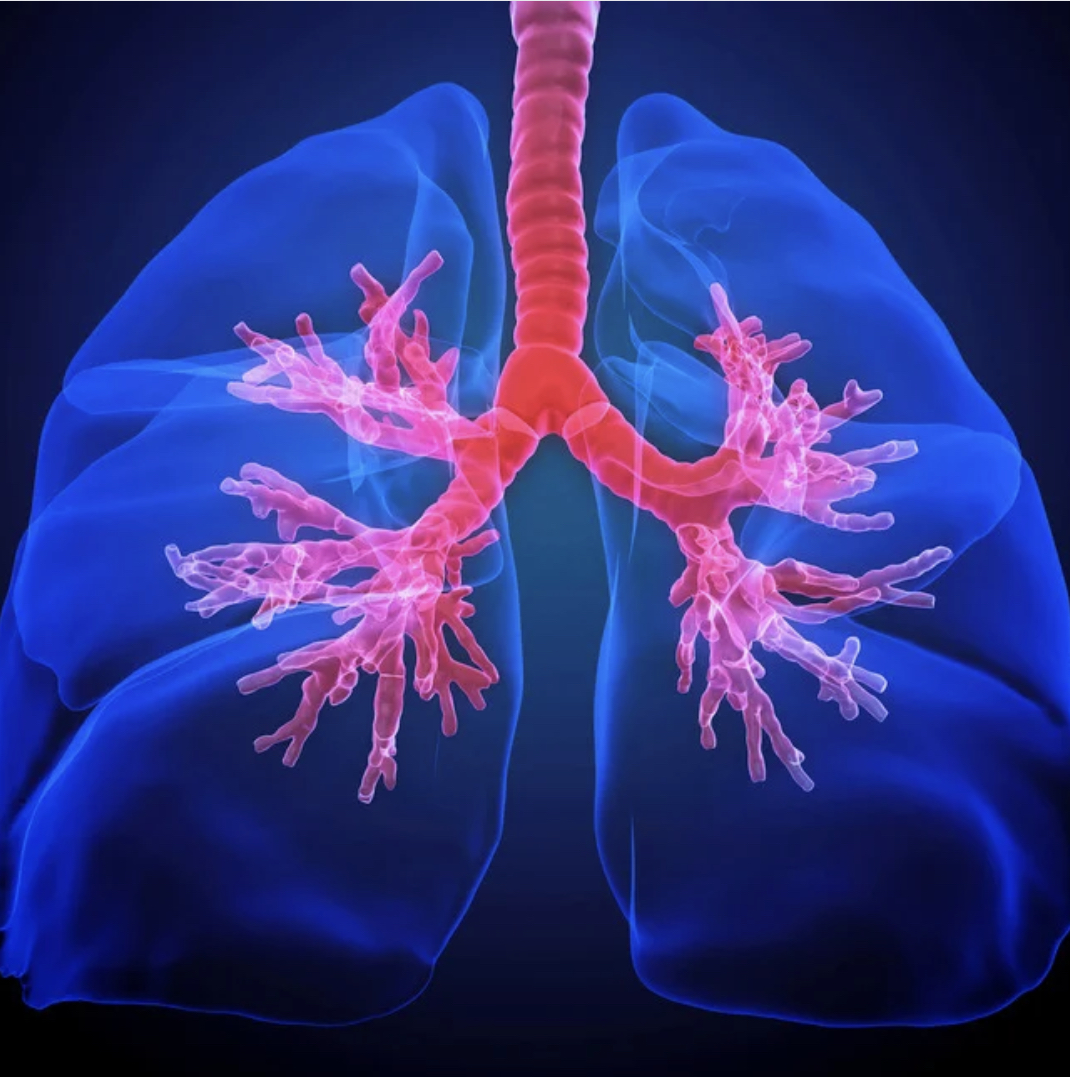
        PHYSIOLOGICAL SIGH TO REDUCE STRESS AND ANXIETY

        Breathing is an essential and often overlooked tool for reducing stress and improving mood. It is a natural, free, and readily available way to regulate our nervous system and bring us back into a state of calm. In this blog, we will explore a brief breathing protocol that you can use to reduce stress and improve your mood in just a few minutes a day.

        Before we dive into the breathing protocol, it’s important to understand the science behind how breathing affects our nervous system.

        When we’re stressed, our body goes into a state of fight or flight, which activates our sympathetic nervous system. This can lead to increased heart rate, shallow breathing, and a feeling of tension in the body.

        Conversely, when we’re relaxed, our body activates the parasympathetic nervous system, which slows down our heart rate, deepens our breathing, and promotes a feeling of calm.

        By consciously changing the way we breathe, we can activate the parasympathetic nervous system and promote relaxation and calm. This can have a powerful effect on our mood, reducing stress and anxiety and improving our overall sense of well-being.

        Now let’s explore the breathing protocol. Find a comfortable seated position

        Begin by finding a comfortable seated position, either in a chair or on the floor. Sit up tall, with your shoulders relaxed and your spine straight.

        Take a few deep breaths, inhaling deeply through your nose and exhaling slowly through your mouth. Focus on filling your lungs completely with air on the inhale, and releasing all of the air on the exhale. This will help to calm your body and prepare you for the breathing protocol.

        The breathing protocol consists of two parts: the inhale and the exhale. For the inhale, you will be counting to four, and for the exhale, you will be counting to six.

        The ratio of the exhale to the inhale is important, as it helps to activate the parasympathetic nervous system and promote relaxation.

        Begin by inhaling deeply through your nose for a count of four. Focus on filling your lungs completely with air.

        Next, exhale slowly through your mouth for a count of six. Focus on releasing all of the air from your lungs completely.

        Repeat this cycle of inhaling for a count of four and exhaling for a count of six for a few minutes, or as long as you feel comfortable.

        Once you’ve completed the breathing protocol, finish with a few deep breaths, inhaling deeply through your nose and exhaling slowly through your mouth. Take a moment to notice how you feel, and any changes in your mood or level of stress.

        The breathing protocol outlined above is a simple and effective way to reduce stress and improve mood. Here are some of the benefits you may experience.

        By activating the parasympathetic nervous system, the breathing protocol can help to reduce stress and anxiety. This can have a powerful effect on your overall sense of well-being and improve your ability to cope with the stresses of daily life.

        The breathing protocol can also improve your focus and concentration. By calming your mind and body, you may find that you are better able to focus on tasks and stay productive throughout the day.

        The breathing protocol can also help to improve your sleep quality. By promoting relaxation and calm, you may find that you are able to fall asleep more easily and sleep more deeply throughout the night.

            Finally, the breathing protocol can improve your overall mood. By reducing stress and anxiety and promoting relaxation,

              Categories
              Fitness Nutrition

              HOW EFFECTIVE IS THE DASH DIET?

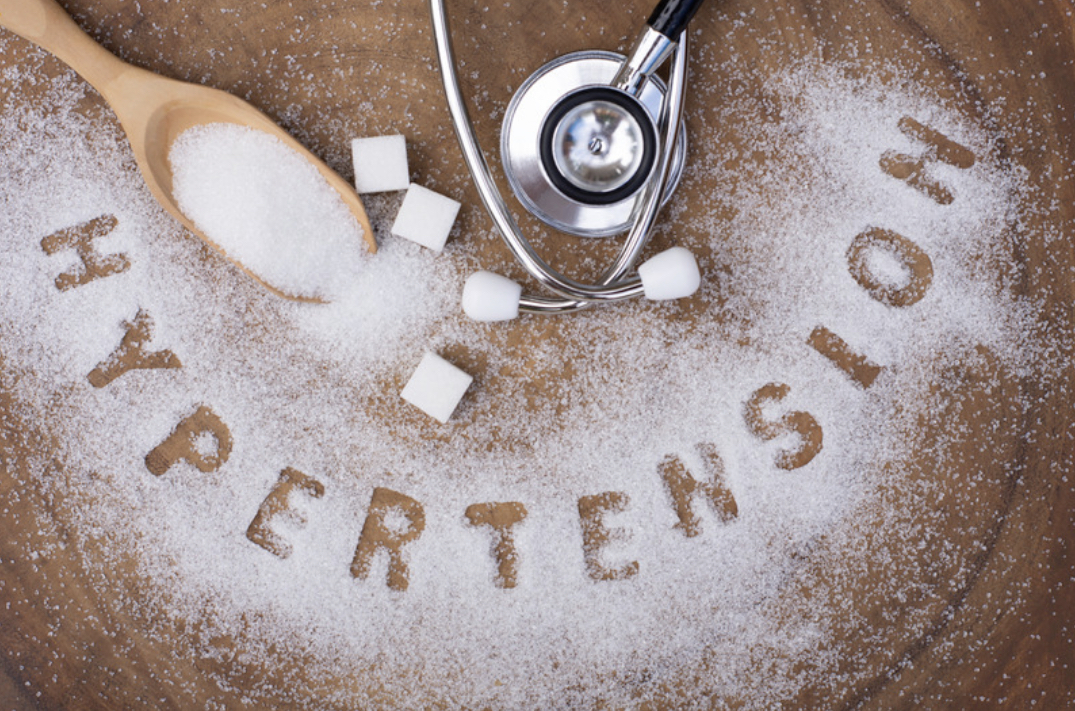
              Hypertension, or high blood pressure, is a common condition that affects millions of people worldwide.

              It is a leading risk factor for heart disease, stroke, and kidney failure. Fortunately, there are a number of lifestyle changes and dietary modifications that can help manage hypertension, one of which is the DASH diet.

              The DASH diet, which stands for Dietary Approaches to Stop Hypertension, is a dietary plan specifically designed to help manage hypertension. It is a balanced and flexible eating plan that emphasizes whole foods, including fruits, vegetables, whole grains, lean proteins, and low-fat dairy products. The DASH diet has been extensively studied and has been found to be an effective way to lower blood pressure and improve overall health.

              In this blog post, we will explore the evidence supporting the effectiveness of the DASH diet for hypertension, as well as the potential benefits and drawbacks of following this dietary plan.

              How Does the DASH Diet Work?

              The DASH diet is designed to be a long-term eating plan, rather than a short-term diet. It emphasizes whole, nutrient-dense foods while limiting processed and high-fat foods. The following are the key principles of the DASH diet:

              Emphasize fruits and vegetables: The DASH diet emphasizes consuming a variety of fruits and vegetables, including leafy greens, berries, carrots, and broccoli. These foods are rich in nutrients such as potassium, magnesium, and fiber, which can help lower blood pressure.
              Choose whole grains: The DASH diet recommends consuming whole grains, such as brown rice, quinoa, and whole-wheat bread, instead of refined grains, such as white bread and pasta. Whole grains are a good source of fiber and can help regulate blood sugar levels.
              Include lean protein sources: The DASH diet emphasizes consuming lean protein sources, such as chicken, fish, beans, and tofu, instead of high-fat meats, such as beef and pork. Lean protein sources are low in saturated fat and cholesterol and can help lower blood pressure.
              Limit high-fat dairy products: The DASH diet recommends consuming low-fat or fat-free dairy products, such as milk, yogurt, and cheese, instead of high-fat dairy products, such as whole milk and butter. High-fat dairy products are high in saturated fat and can contribute to high blood pressure.
              Limit salt intake: The DASH diet recommends limiting salt intake to no more than 2,300 milligrams per day, or even less if you have high blood pressure. This is because salt can increase blood pressure in some people.
              Limit added sugars: The DASH diet recommends limiting added sugars, such as those found in sugary drinks and desserts, to help lower blood pressure and maintain a healthy weight.
              Exercise regularly: The DASH diet recommends engaging in regular physical activity, such as brisk walking, for at least 30 minutes per day to

              Categories
              Fitness Nutrition

              IS BREAKFAST THE MOST IMPORTANT MEAL OF THE DAY?

              Breakfast is a topic that has been debated for many years. While some people swear by it and wouldn’t dream of starting their day without a hearty breakfast, others skip it altogether and claim that it doesn’t make much of a difference. 

              First, let’s define what we mean by breakfast. Breakfast is the first meal of the day, usually eaten in the morning. The word “breakfast” comes from the phrase “breaking the fast,” which refers to the idea that we haven’t eaten anything since the night before and need to break the fast in order to fuel our bodies for the day ahead.

              Why is breakfast considered important?

              Breakfast is often touted as the most important meal of the day, and there are several reasons why this might be the case.

              Breakfast provides the body with the energy it needs to start the day. After a long night of sleep, our bodies are low on energy, and breakfast can help to replenish this energy and give us the boost we need to get going.

              Studies have shown that eating breakfast can improve cognitive function, including memory, attention, and concentration. This is particularly important for students or anyone who needs to focus on complex tasks throughout the day.

              Eating breakfast can help to regulate appetite and prevent overeating later in the day. Studies have shown that people who eat breakfast are less likely to be overweight or obese than those who skip it.

              Breakfast can provide the body with essential nutrients, including fiber, vitamins, and minerals, that are needed for good health. Skipping breakfast can lead to nutrient deficiencies that can have negative effects on health.

              Evidence for the importance of breakfast

              There is a significant body of evidence that supports the idea that breakfast is an important meal that should not be skipped.

              Several studies have found that eating breakfast can improve cognitive function, including memory, attention, and concentration. For example, one study published in the Journal of Nutrition found that school-aged children who ate breakfast had better cognitive performance than those who skipped it.

              Research has consistently shown that people who eat breakfast are less likely to be overweight or obese than those who skip it. For example, a study published in the International Journal of Obesity found that people who ate breakfast were less likely to gain weight over time than those who skipped it.

              Breakfast can provide the body with important nutrients, including fiber, vitamins, and minerals, that are needed for good health. For example, a study published in the Journal of the Academy of Nutrition and Dietetics found that people who ate breakfast had higher intakes of several key nutrients than those who skipped it.

              Skipping breakfast can have negative effects on health: Some research has suggested that skipping breakfast can have negative effects on health, including an increased risk of heart disease, type 2 diabetes, and obesity. 

              For example, a study published in the Journal of the American College of Cardiology found that skipping breakfast was associated with an increased risk of heart disease in men.

              While there is a significant body of evidence that supports the idea that breakfast is an important meal, there are also some studies that suggest that skipping breakfast may not be as harmful as previously thought. 

              Categories
              Fitness Nutrition

              WHY DO YOU ALWAYS HAVE ROOM FOR DESSERT AFTER A FULL MEAL

              Dessert is often considered the cherry on top of a delicious meal. Even after a full course meal, many people still feel the urge to indulge in a sweet treat. But why is this the case? Why do we always have room for dessert after a full meal?

              There are several factors that contribute to this phenomenon. In this blog post, we will explore some of the reasons why we always have room for dessert after a full meal.

              One of the reasons why we always have room for dessert after a full meal is psychological. When we eat, our brain releases dopamine, a neurotransmitter that makes us feel good. This is why we often associate food with pleasure.

              Dessert, in particular, is associated with pleasure because it is sweet and indulgent. When we see a dessert menu or smell something sweet, our brain releases dopamine, making us crave it even more.

              Additionally, the anticipation of dessert can also play a role in our desire for it. If we know that we will be having dessert after a meal, we may subconsciously hold back from eating too much during the main course so that we can save room for the sweet treat.

              Physiological factors also play a role in our desire for dessert after a full meal. When we eat, our stomach expands to accommodate the food. This is why we feel full after a large meal.

              However, our stomach has the ability to expand even further if needed. When we eat something sweet, our body releases insulin to help process the sugar. This insulin release can also trigger our stomach to expand even more, making room for dessert.

              Additionally, some people may have a faster metabolism, which means that they are able to digest their food quickly. This can make them feel hungry again soon after eating a meal, which may explain why they always have room for dessert.

              Cultural factors can also play a role in why we always have room for dessert after a full meal. In many cultures, dessert is considered an important part of the meal. In fact, in some cultures, it is customary to have dessert after every meal.

              This cultural expectation may influence our desire for dessert, even if we are not consciously aware of it. Additionally, the type of dessert that is commonly served in a particular culture can also influence our desire for it.

              For example, in some cultures, fruit is commonly served as dessert. Since fruit is a natural sweetener, it may be easier for our body to digest, which could explain why we always have room for it after a full meal.

              Social factors can also play a role in our desire for dessert after a full meal. When we eat with others, we may be more likely to indulge in dessert because it is a shared experience.

              Additionally, the act of sharing a dessert can create a sense of camaraderie and connection with others. This social connection can be satisfying in itself, which may make us more likely to want to share dessert even if we are already full.

              Finally, habitual factors can also play a role in our desire for dessert after a full meal. If we are used to having dessert after every meal, it can become a habit that is hard to break.

              Breaking a habit can be difficult, especially if it is something that we have been doing for a long time. This is why even if we are already full, we may still feel the urge to have dessert because it has become a part of our routine.

              In conclusion, there are several factors that contribute to why we always have room for dessert after a full meal. Psychological factors such as the pleasure associated with sweet foods, physiological factors such as stomach expansion, cultural factors such as the expectation of dessert after a meal

              Categories
              Fitness Nutrition

              WHY DO OTHERS FIND IT EASY TO FAST?

              Fasting has been a popular practice for thousands of years in various cultures and religions. It involves abstaining from food and sometimes water for a certain period of time, ranging from a few hours to several days. Fasting is believed to have several health benefits, including weight loss, improved metabolism, and increased longevity. Despite its potential benefits, fasting can be challenging for many people. Some people find it easy to fast, while others struggle to go without food for even a few hours. In this blog post, we will explore why fasting is so easy for some people and so difficult for others.

              First, it is important to understand that everyone’s body is different, and people’s experiences with fasting can vary widely. Some people have a high tolerance for hunger and can go without food for extended periods without feeling much discomfort. Others may have a more sensitive metabolism and feel hungry or fatigued after just a few hours of fasting.

              One factor that can influence how easy or difficult fasting is for a person is their level of physical activity. People who are physically active may find it easier to fast because their bodies are accustomed to using stored energy sources, such as fat, for fuel. On the other hand, people who are sedentary or have a low level of physical activity may struggle with fasting because their bodies are not used to relying on stored energy sources.

              Another factor that can affect how easy or difficult fasting is for a person is their dietary habits. People who consume a diet that is high in carbohydrates and sugar may find it more challenging to fast because these foods can cause fluctuations in blood sugar levels, leading to hunger and cravings. On the other hand, people who consume a diet that is high in healthy fats and protein may find fasting easier because these foods promote feelings of fullness and satiety.

              Additionally, genetics may play a role in how easy or difficult fasting is for a person. Some people may have a genetic predisposition to feeling hungry or experiencing low blood sugar levels, making it harder for them to fast. Other people may have a genetic predisposition to being able to go without food for extended periods without feeling much discomfort.

              Stress can also affect how easy or difficult fasting is for a person. When we are under stress, our bodies release the hormone cortisol, which can increase hunger and cravings. People who are under a lot of stress may find it harder to fast because of these hormonal changes.

              Finally, psychological factors can also influence how easy or difficult fasting is for a person. People who have a healthy relationship with food and are not emotionally attached to it may find it easier to fast because they do not experience intense cravings or feelings of deprivation. On the other hand, people who use food as a coping mechanism for stress, anxiety, or other emotions may find it much harder to fast.

              So, why is fasting so easy for some people and so difficult for others? The answer is that there are many factors that can influence how easy or difficult fasting is for a person, including their level of physical activity, dietary habits, genetics, stress levels, and psychological factors. It is important to remember that there is no “right” or “wrong” way to fast, and what works for one person may not work for another.

              If you are interested in trying fasting, it is important to start slowly and listen to your body. Begin by fasting for short periods, such as skipping breakfast or going without food for a few hours, and gradually increase the duration of your fasts as your body becomes accustomed to the practice. Make sure to stay hydrated during your fasts, and consider consulting with a healthcare provider before starting any new dietary practice.

              In conclusion, fasting can be an effective way to promote health and wellbeing, but it is not always easy. People’s experiences with fasting can vary widely depending on a variety of factors

              Categories
              Fitness Nutrition

              3 STEPS TO LOSE FAT AND GAIN MUSCLE 

              Losing fat and gaining muscle is a common goal among people who want to improve their body composition. 

              It requires a combination of exercise, nutrition, and lifestyle changes to achieve the desired results. In this blog, we will discuss the three essential steps to lose fat and gain muscle.

              Strength training is an essential part of any fat loss and muscle gain program. It involves lifting weights, resistance bands, or using your own body weight to create resistance that will challenge your muscles. 

              Strength training has several benefits, including increased muscle mass, increased strength, and improved metabolism.

              To maximize your fat loss and muscle gain, focus on compound exercises that work multiple muscle groups at once. Examples of compound exercises include squats, deadlifts, bench press, rows, and chin-ups. 

              These exercises recruit more muscle fibers, which leads to more calorie burning and greater muscle growth. Strength training also creates a stimulus for muscle growth. When you lift weights, you create small micro-tears in your muscle fibers. Your body then repairs these tears by building new muscle tissue. 

              This process is called muscle hypertrophy, and it is essential for gaining muscle mass.

              To optimize your strength training, aim to lift weights at least two to three times per week. 

              Focus on progressive overload, which means gradually increasing the weight you lift over time. This will challenge your muscles and help you to continue making progress.

              Cardiovascular exercise is an important component of any fat loss program. It involves any activity that raises your heart rate and increases your breathing rate. Examples of cardiovascular exercise include running, cycling, swimming, and dancing.

              Cardiovascular exercise burns calories and helps to create a calorie deficit, which is essential for fat loss. It also improves your cardiovascular health, which reduces your risk of heart disease and other chronic diseases.

              To maximize your cardiovascular exercise, aim to do at least 150 minutes of moderate-intensity exercise or 75 minutes of vigorous-intensity exercise per week. 

              Moderate-intensity exercise includes activities like brisk walking or cycling at a moderate pace. Vigorous-intensity exercise includes activities like running or cycling at a high intensity.

              It’s also important to vary your cardiovascular exercise to avoid plateaus and boredom. Mix up your routine by trying different activities, such as running, cycling, swimming, or dancing. 

              You can also vary the intensity and duration of your workouts to keep your body challenged and prevent boredom.

              Nutrition is a critical component of any fat loss and muscle gain program. You need to eat the right foods in the right amounts to support your workouts and achieve your goals. Here are some nutrition tips to help you lose fat and gain muscle

              Protein is essential for muscle growth and repair. It also helps to keep you feeling full, which can reduce your overall calorie intake. Aim to eat at least 1 gram of protein per pound of body weight per day. 

              Good sources of protein include lean meats, poultry, fish, eggs, dairy products, beans, and tofu.

              Vegetables are a great source of vitamins, minerals, and fiber. They also contain antioxidants, which help to protect your cells from damage. 

              Aim to eat at least 2-3 servings of vegetables per day. Choose a variety of colors and types, such as leafy greens, carrots, peppers, and broccoli.

              Processed foods and added sugars can contribute to weight gain and poor health. They are often high in calories, low in nutrients, and can cause spikes and crashes in blood sugar levels. Try to limit your intake of processed foods and added sugars as much as possible.

              Categories
              Fitness Nutrition

              QUITTING SUGAR FOR DOPAMINE TUNING

              Sugar has become a staple ingredient in the modern diet, with many of us consuming large amounts of it without even realizing it.

              This overconsumption of sugar has been linked to various health problems, such as obesity, diabetes, and cardiovascular disease.

              However, what many people don’t know is that sugar consumption can also have an impact on our brain’s dopamine levels, leading to an addiction-like behavior that can be difficult to overcome.

              Dopamine is a neurotransmitter that plays a key role in motivation, reward, and pleasure.

              It is released in response to various stimuli, such as food, sex, and drugs, and is responsible for the feelings of pleasure and satisfaction that we experience.

              When we engage in activities that increase dopamine levels, we feel a sense of reward and pleasure, which encourages us to repeat the behavior.

              However, this reward system can be hijacked by addictive substances, such as drugs and sugar.

              When we consume these substances, they trigger the release of large amounts of dopamine, which can create a powerful sense of pleasure and reward.

              Over time, our brains can become accustomed to this high level of dopamine and require more of the substance to achieve the same level of pleasure, leading to addiction-like behavior.

              Sugar consumption has been shown to have a direct impact on dopamine levels in the brain. When we consume sugar, it triggers the release of dopamine in the brain’s reward center, leading to feelings of pleasure and reward.

              However, over time, excessive sugar consumption can lead to a blunted dopamine response, meaning that our brains become less sensitive to dopamine and require more of it to achieve the same level of pleasure.

              This blunted dopamine response can create a cycle of sugar addiction, where we consume more and more sugar to achieve the same level of pleasure and reward.

              This can lead to overconsumption of sugar and a range of health problems, as well as a negative impact on our overall wellbeing and mental health.

              Quitting sugar can have a range of benefits for dopamine tuning and overall health and wellbeing.

              Quitting sugar can help to improve dopamine sensitivity, which means that our brains become more responsive to dopamine and require less of it to achieve the same level of pleasure and reward.

              This can help to break the cycle of sugar addiction and reduce cravings for sugar, leading to a more balanced and healthy relationship with food.

              Excessive sugar consumption has been linked to a range of mental health problems, such as anxiety, depression, and mood swings. By reducing sugar consumption, we can help to regulate our mood and improve overall mental health and wellbeing.

              Excessive sugar consumption has been linked to weight gain and a range of health problems, such as diabetes, cardiovascular disease, and fatty liver disease. By reducing sugar consumption, we can help to improve overall health markers, including blood sugar levels, cholesterol, and blood pressure, leading to a healthier and happier life.

              Quitting sugar can be challenging, especially if you have been consuming large amounts of sugar for a long time. However, with the right mindset and strategies, it is possible to reduce sugar consumption and improve overall health and wellbeing.