

Oddsfitness

Personal Fitness and Strength Trainer at Home in Delhi NCR
Categories
Fitness Lifestyle

HOW MUCH CARDIO SHOULD YOU BE DOING?

If you’re a cardi-no person, you might be wondering if your strength workouts are enough to keep your heart healthy and strong.

Especially if you are in the “‘gains department” you will underestimate its needs. 

There’s no doubt that aerobic exercise can help decrease the risk of heart attack, stroke, and myriad other health issues.

So yes it is important to have some cardio in your routine for long-term health. 

However, the question comes down to how much you should do when it comes to reaching your specific goal if it’s not just for long-term health.

This will depend on certain factors which primarily include: body type, NEAT(non-exercise activity thermogenesis ) and fitness goals.

Let’s look into these closely: 

1) BODY-TYPE: For example, an ectomorphic body type tends to be thin, and struggles to gain weight as either body fat or muscle. They can eat a lot of food and still look the same. So gaining muscular weight is their biggest goal. 

Hence they  are often known as “hard gainers.”

So if you are an ectomorphic body type trying to build some muscle, then you might want to reduce your cardio to a minimum, because your metabolism is already pretty high. In the end, when it comes to gaining or losing fat it is always about calories in vs calories out.

2)NEAT: Neat is non-exercise activity thermogenesis. This is the amount of energy you spend on activities apart from workouts. If you are a naturally very active person, who might have goals to build muscle, you might not need a lot of cardio as compared to a sedentary lifestyle person.

3) FITNESS GOALS: In the end, your fitness goals also matter. If you are looking forward to developing more endurance, you need to do more cardio. If you are looking to develop muscle, depending on your body type and body fat levels, you might need a little less cardio. 

If you’ve been exercising and dieting, and you’re still struggling with your weight, start your journey with the best trainers in Delhi

Categories
Fitness Nutrition

CAN SUGAR BECOME ADDICTIVE?

How often do you see people rewarding themselves with something sweet, especially after a particularly stressful day or to celebrate a birthday or a special success?

Probably every now and then.

You might even get worried sometimes as to how much you can consume all at once without even realising it.

Some people use sugary foods in ways that aren’t healthy, even though it may not be an actual addiction.

But is it really an addiction?

Short answer is YES!

Rewarding ourselves with something sweet every time we feel sad, or achieve something releases dopamine in our brain. 

Dopamine is a neurotransmitter that is a part of the “reward circuit” associated with addictive behaviour. 

When a certain behaviour causes an excess release of dopamine, you feel a pleasurable “high” that you are inclined to re-experience and repeat the behaviour.

When you repeat that behaviour more and more, your brain adapts to release less dopamine. 

The only way to feel the same “high” as before is to repeat the behaviour in increasing amounts and frequency.

Sugar activates the opiate receptors in our brain and affects the reward centre, which leads to compulsive behaviour.

We tend to keep on eating despite the negative consequences like weight gain, headaches, hormone imbalances, etc.

Repeated cycles of eating sweet hardwire our brains to crave more and more sugar. 

So is there a way around this?

Yes.

1. Eat more protein. Protein is great for satiety

2. Get enough sleep. This is essential for reducing your cortisol levels and recovery in general. 

3. Manage stress levels. Indulge in activities which can trigger your dopamine in the right way. Like pursuing your favourite hobby. 

4. Don’t starve yourself. Starving yourself creates blood sugar imbalances and hence increases your cravings even more

Start your journey with the best trainers in Delhi

Categories
Fitness Lifestyle Nutrition

THIS IS HOW YOUR FOOD AFFECTS YOUR THYROID

Did you know? Your intestine is responsible for almost 20% of the total thyroid conversion of thyroid hormones. 

A healthy gut microbiota not only has beneficial effects on the activity of the immune system but also on thyroid function. 

When inflammation occurs in our gut, the intestinal barrier gets damaged which permeates antigens to pass more easily and activate the immune system. 

Not only this, the composition of the gut microbiota influences the availability of essential micronutrients for the thyroid gland. 

Iodine, iron, and copper are crucial for thyroid hormone synthesis. Selenium and zinc are needed for converting T4 to T3, and vitamin D assists in regulating the immune response. 

Those micronutrients are often found to be deficient in Hashimoto’s patients, resulting in the malfunctioning of the thyroid.

Autoimmune thyroiditis also called Hashimoto’s thyroiditis, is a condition that causes white blood cells and antibodies to attack the thyroid. 

When you eat, the body recognizes the whole food, triggering the enzymes required to digest the food.

Recognition of gluten in the gut triggers the transcription of DNA that produces the enzymes to digest gluten. This enzyme transcription is located next to a section of DNA that transcribes for the signaling of immune cells that can cause inflammation. 

The overconsumption of gluten can trigger the transcription of the DNA section responsible for activating these immune cells in a person who is genetically predisposed to autoimmune conditions.

Autoimmune conditions are chronic, but their symptoms and severity can be managed with diet and lifestyle.

One of the ways is to consume a diet low in gluten or a gluten-free diet in case you have associated coeliac disease as well. 

It helps your intestines heal from inflammation, allowing better absorption of your thyroid hormone.

Your celiac disease symptoms like fatigue, weight loss, constipation, diarrhoea, joint pain, depression, and anxiety will likely decrease and you may feel healthier overall.

Please note that gluten is not inherently bad for you. Consuming glute food is completely fine for people who don’t have or are not predisposed to autoimmune thyroiditis or coeliac disease

Start your journey with the best trainers in Delhi.

Categories
Fitness Lifestyle Nutrition

BUILD YOUR IMMUNITY NATURALLY WITH THIS!

Supplements claim to help boost immunity. But supporting a healthy immune system is more complicated than just vitamin tablets, herbs and minerals manufacturers package into pills.

Your immune system operates in a delicate balance.

There are things you can do to help give your immune system what it needs to function optimally when needed, though. Although none involves taking a supplement.

Several dietary and lifestyle changes may strengthen your body’s natural defences and help you fight harmful pathogens or disease-causing organisms.

1) Reduce sugar.
Reducing your sugar intake can decrease inflammation and aid weight loss, thus reducing your risk of chronic health conditions like type 2 diabetes and heart disease.
Lowering your sugar intake may decrease inflammation and your risk of these conditions.

2) Probiotics.
Fermented foods are rich in beneficial bacteria.
Gut health and immunity are deeply interconnected. Fermented foods and probiotics may bolster your immune system by helping it identify and target harmful pathogens.

3) Manage your Stress
Lowering your stress levels through meditation, yoga, exercise, and other practices can help keep your immune system functioning properly.

4)Drink lots of water
Although drinking water doesn’t have a direct correlation with our immune responses it is important to stay hydrated. Dehydration can cause headaches and hinder your physical performance, focus, mood, digestion, and heart and kidney function. These factors can easily increase your susceptibility to illness.

5)Get enough sleep.
Some of the most important physiological functions take place during sleep. Important infection-fighting molecules are created while you sleep.

6)Building immunity through nutrition.
-Vitamin C is one of the key factors to increase the production of white blood cells, which fight infections. So include more citrus fruits like grapefruit, orange, lemon etc.

-Garlic: Allicin in garlic is a sulphur compound which has proven to have immunity-boosting properties

-Spinach- Spinach is not just rich in vitamin C but it’s also packed with numerous antioxidants and beta carotene, which may both increase the infection-fighting ability of our immune systems.

-Fortified plain yoghurt is rich in vitamin D which helps regulate our immune system.

-Broccoli is rich in vitamins C, A, and E,
along with fibre. It is high in antioxidants as well which protects the cells from oxidative damage.

Eating in balance is key. Pay attention to serving sizes and recommended daily intake so that you don’t get too much of a single vitamin and too little of others.

Start your journey with the best trainers in Delhi.

Categories
Fitness Lifestyle Nutrition

DO THIS IF YOU ARE LACTOSE INTOLERANT!

With over half of the world’s population reporting trouble digesting dairy, you may wonder whether you should keep consuming it.

Is it good? Is it bad? Let’s look into this closely.

Dairy products are produced via different techniques and processing methods, which help enhance their desired qualities.

Dairy fat comprises hundreds of fatty acids. Many are bioactive, meaning that they have beneficial effects on your body.

Studies show that milk from grass-fed cows raised on pasture may have up to 92% more omega-3 fatty acids and 94% more conjugated linoleic acid (CLA) than milk from conventionally raised cows. 

It also provides good amounts of vitamin A, selenium, zinc, and magnesium.

Another important nutrient in dairy is lactose, the main type of carb in all mammals’ milk.

The primary role of lactose is to provide energy. It also has a potential prebiotic effect, meaning it promotes the growth of good bacteria in your gut. 

Dairy improves bone density, reduces the risk of developing osteoporosis, and lowers the risk of fractures.

Although dairy is not the only dietary source of calcium, there are other benefits to it. 

Fermented products like yoghurt are natural probiotics, which enhance our good bacteria and keep our gut flora healthy.

Studies have proved intake of fermented dairy is associated with lower LDL (bad) cholesterol levels and reduced risks of high blood pressure and heart disease. 

To digest lactose, our gut produces a digestive enzyme called lactase, which breaks down milk. However, many people lose the ability to break down lactose. 

The most common symptoms noticed in lactose intolerant people are bloating, abdominal cramps, gas, diarrhoea and nausea. 

These usually occur if it is not managed properly. 

So is there a way in which we can consume dairy if we are intolerant?

Yes, there are some things which you can do to take care of your lactose intolerance problem. 

How?

1) Sort out the low-lactose dairy products. Different foods will have different lactose content than others. For example, the lactose content of cheese varies significantly depending on the type.

2)Purchase lactose-free products. 

If you have severe lactose intolerance you can opt for lactose-free alternatives. 

3)Lactase supplements. Enzyme supplements play a major role in getting your gut health on track. Supplementing 9000 IU per 12 g of lactose in the meal can enhance lactose tolerance significantly 

Start your journey with the best trainers in Delhi

Categories
Fitness Lifestyle Nutrition

CAN’T STOP EATING OUTSIDE FOOD?

All of us eat too much from time to time. If you regularly eat outside while feeling out of control and powerless to stop, you are not alone. 

Now, you may eat for emotional reasons or out of boredom. Others might eat because they’re hungry and not filling up on the right foods or want a different taste altogether. 

Once you identify why you’re eating, you may move on to following more mindful eating practices. 

The temptation is real. So how do we avoid eating out?

1. PLAN AHEAD

Impulsive food choices are real, especially when you find yourself overly hungry or stressed out. This happens because when glucose levels are low, any food decision will likely feel more impulsive. Your brain is going to look for quick energy, which often comes in the form of simple carbohydrates. So we tend to order outside food either because we are too tired to cook or too bored of eating the same meals. Meal prepping helps us to eat balanced meals and leave room for flexibility while also encouraging us to eat food that makes us feel good mentally and physically a sense of mindful eating.

2. EAT ENOUGH PROTEIN

Protein is very satiating compared to other macronutrients like carbs. It reduces your level of the hunger hormone ghrelin. It also boosts the levels of peptide YY, a hormone that makes you feel full. These effects on appetite can be powerful. So if you need to lose weight or belly fat, consider adding more protein. 

3. GET CREATIVE WITH YOUR FOOD

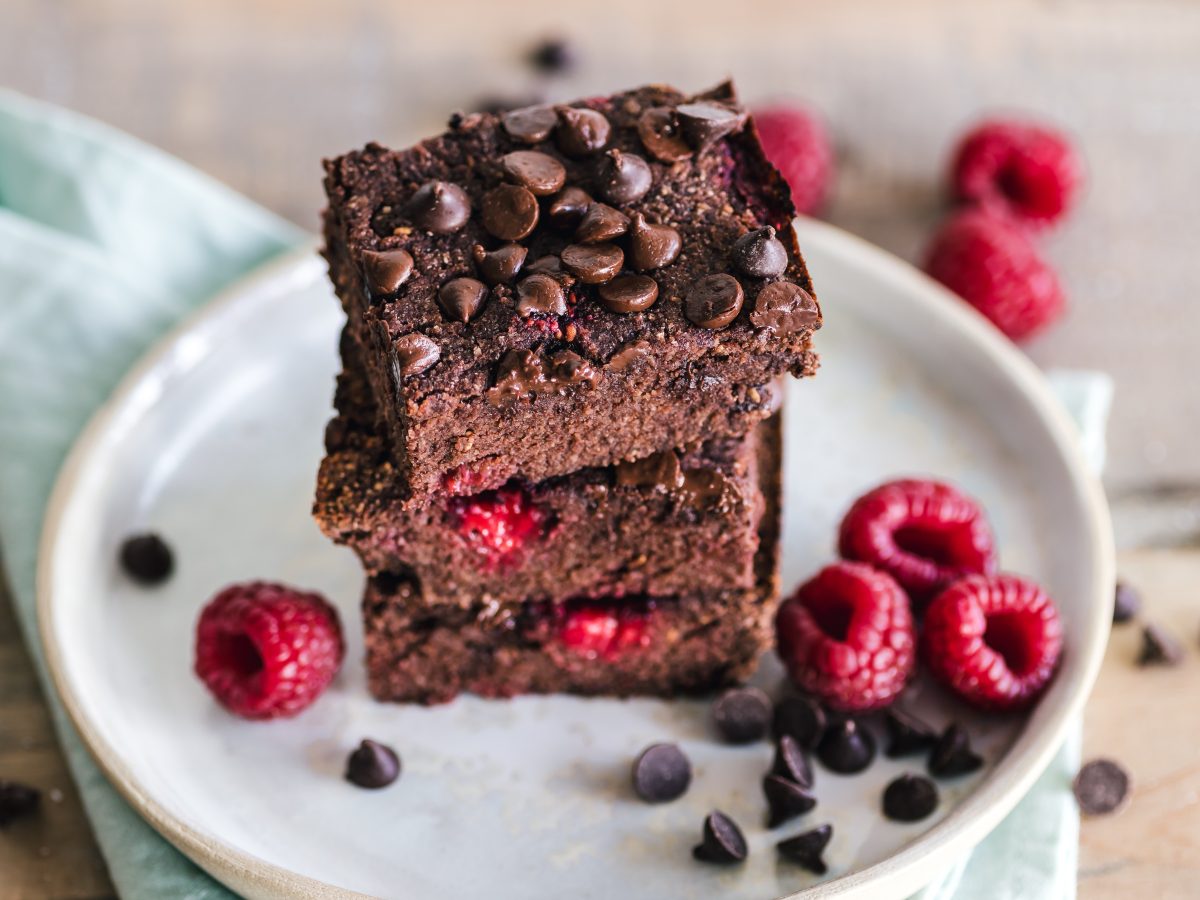
Note down your cravings first and start analysing your taste triggers. You can start by remaking your favourite outside meals with healthier ingredients. For example, if you are craving a chocolate brownie, you can easily make one at home by substituting ingredients like maida with almond flour, sugar with zero-calorie sweeteners and maybe even adding some protein powder to make it more filling!

4. MANAGE YOUR STRESS BETTER

There is always an emotional component when it comes to eating junk food occasionally. Your cravings are triggered by your hormones, especially during stress. How many times have you noticed yourself binging on ice cream when you are feeling sad? So analyse your emotions and what triggers your desire to eat outside food in the first place. Take a walk, meditate, or indulge in any hobbies which lifts your mood. 

Start your journey with the best trainers in Delhi.

Categories
Fitness Lifestyle Nutrition

ARE YOU EATING ENOUGH?

Who doesn’t want to be lean? And most importantly, in the fastest way possible. 

Most often, people will try to lose weight fast by exercising a lot, and by following a crash diet or a very low-calorie diet of fewer than 800 calories per day.

People often prefer the option of eating a very low-calorie diet, since it is often easier to lose weight through diet than exercise. 

Losing weight is only half the battle. The real challenge is sustaining the weight loss that has happened.

Most people who follow an aggressive diet regain half the weight they’ve lost in a short time. To make it worse some people even gain back all the weight they had lost so rapidly. 

A plan which promotes slow and sustainable weight loss is the right plan for you. 

Not only this but losing weight too quickly, especially through starvation techniques, can result in several side effects. Some are more downright dangerous than others. 

The dangers of rapid weight loss increase with the time spent on the diet. Eating a no-protein diet is particularly risky.

Here are some signs to look out for: 

1) Headache and Irritability 

2)Fatigue and dizziness

3)Constipation due to a slow metabolism

4)Menstrual irregularities

5)Hair loss and muscle loss

6)Dehydration

7)Some effects can include gallstones, which occur in 12% to 25% of people losing large amounts of weight over several months.

8)Malnutrition occurs from not eating enough protein for weeks at a time

9)Electrolyte imbalances

Starving yourself is certainly not a good idea. But if you’re otherwise healthy, a brief period of extreme calorie restriction isn’t likely to hurt you.

Being mindful of how much you eat and making sure you are not having these symptoms is essential before you go ahead with aggressive diets

Start your journey with the best trainers in Delhi

Categories
Fitness Lifestyle Nutrition

ROTI VS RICE— WHICH IS BETTER FOR WEIGHT LOSS?

In a country like India, when every meal is loaded with carbs in the form of rice and chapatis, restricting the intake of these nutrients can be a challenging task. It is impossible to shun them completely from your meal. 

There are numerous articles and videos on the internet which advice differently. 

Often people find themselves stuck in the dilemma of what they should pick for dinner.

As we all know that one should always have a light dinner we tried to find out, which of the two is a better option for dinner when you aim to lose weight.

There is not much difference in the nutritional value of rice and chapati. Both are obtained by processing grains and the only major difference is the sodium content.

Carbohydrates are energy givers, sleep enhancers and mood lifters. Rice and wheat are both bowls of cereal having a similar quotient of protein, fat and carb load as well.

The difference is in nutritional value. 

Roti is a complex carbohydrate with longer glucose chains. So it takes time to digest and gives sustainable blood glucose levels. 

On the other hand, white rice is a simple carb, which has shorter glucose chains and thus is easier to digest. This makes you feel hungry sooner. 

Roti is rich in micronutrients like fibre, potassium and calcium whereas rice is deprived of this. 

Hence nutritionally speaking, roti is much healthier. However, which source to consume depends on your meal frequency and routine. 

For example, bodybuilders tend to have more meals in a day and they prefer rice as it is easier to digest before they consume their next meal. 

On the other hand, people who follow intermittent fasting or don’t seem to find time to consume multiple meals in a day can choose roti since the long glucose chains will take time to break down and provide more sustained blood glucose levels. 

Diabetics are thus advised to stick to complex carbs because having simple carbs will have them feeling hungry and eating multiple times can spike insulin levels more. 

Start your journey with the best trainers in Delhi.

Categories
Fitness Lifestyle

HOW MANY TIMES SHOULD YOU TRAIN A MUSCLE GROUP IN A WEEK?

Knowing how many days you should exercise can be confusing. This is especially so if the amount of time you’re putting in doesn’t match up with your goals.

The training frequency will vary according to your goal, whether it is to sweat it out on the treadmill more often to lose a few pounds or increase the amount of weight you’re lifting to gain muscle or lift weights just to increase your overall strength. 

Training frequency typically refers to how many times you lift weights per week, but it’s also how many times you train a particular muscle group per week.

Most strength training programs involve a training frequency of 3 to 5 times per week

Instead of just looking at how many times they show up to the gym per week, you should look at how often you are training each muscle group as well.

For instance, you could have a training frequency of 5 times per week, but what if all of your workouts focus on upper body exercises? That won’t get the results you want. 

For example, an upper-lower routine typically involves training four days per week and each muscle group twice per week (two lower and two upper body workouts). 

So, if you squat on your first lower body day and do hip thrust on your second lower body day, you’d be training your glutes twice per week.

If your goal is to build muscle, most people should train a muscle at least twice a week for maximum growth. The debate currently mostly centres on if training frequencies of 3+ per week are beneficial.

Muscle recovery will differ depending on your sleep, protein intake and hormonal factors. 

Depending on this you can decide how often should you train a muscle group in a week.

Trained muscles may recover faster than untrained muscles. Trained individuals typically only grow 24-48 hours after a workout. 

Hence advanced individuals respond better to higher training frequencies, whereas untrained individuals quite consistently grow equally well on any kind of training frequency. 

To maximize your results, you need to optimize your training frequency for every muscle. 

But how?

Fast twitch fibers are much more powerful, have higher force production, but fatigue more quickly. They also take longer to recover. 

Slow twitch muscle fibers, however, tend to recover more quickly, both within a session and from session to session.

However, your genetics come into play a little bit over here.

If you have a higher predominance of slower-twitch muscle fibers then you can most likely tolerate and benefit from higher frequency training. 

On the other hand, if you have above-average numbers of fast twitch fibres then you will probably benefit from using lower rep ranges and lower frequencies of training.

Identify patterns and see how different frequencies affect your progress. Can some muscles tolerate more frequency than others?

Start your journey with the best trainers in Delhi!

Categories
Fitness Lifestyle Nutrition

IS GLUTEN BAD FOR YOU?

There’s lots of buzz around avoiding gluten, but what is this ingredient and is it really bad for you? 

Gluten is a protein found in the wheat plant and some other grains

It is naturally occurring, but it can be extracted, concentrated and added to food and other products to add protein, texture and flavour. 

It also works as a binding agent to hold processed foods together and give them shape.

Though often thought of as a single compound, gluten is a collective term that refers to many different types of prolamins found in wheat, barley and rye. 

The main prolamins in wheat include gliadin and glutenin, while hordein is the main one found in barley. 

Gluten proteins — such as glutenin and gliadin — are highly elastic, which is why gluten-containing grains are suited for making bread and other baked goods.

Humans have digestive enzymes that help us break down food. Protease is the enzyme that helps our body process proteins, but it can’t completely break down gluten. 

Undigested gluten makes its way to the small intestine. Most people can handle undigested gluten with no problems. But in some people, gluten can trigger a severe autoimmune response or other unpleasant symptoms.

An autoimmune response to gluten is called celiac disease. Celiac can damage the small intestine. Some people who don’t have celiac disease still seem to feel sick after eating foods that contain gluten. They may experience bloating, diarrhoea, headaches or skin rashes. This could be a reaction to poorly digested carbohydrates, not just gluten. 

These carbs, called FODMAPS, ferment in your gut. People with sensitive guts may experience discomfort from that fermentation, not necessarily from gluten.

We, as humans, have consumed gluten for as long as people have been making bread.

Gluten found in whole grains is not bad for healthy people whose bodies can tolerate it. However, grains like wheat are often stripped down to make processed foods such as snack crackers and potato chips. 

These refined products have very little resemblance to the actual wheat plant, which is highly nutritious.

Many people who adopt a gluten-free diet but still eat processed foods find they continue to have weight gain, blood sugar swings and other health issues. 

So it’s not the gluten in foods that are causing their health issues, but the sugar and the fact that they are eating in a caloric surplus is the reason for weight gain and other health issues. 

Start your journey with the best trainers in Delhi